

B2B Pharma Content Strategy for HCP Engagement and Multi-Channel Marketing
Kate Williamson, Editorial Team, Pharma Focus America
Healthcare professionals increasingly expect personalized, evidence-based interactions across multiple touchpoints. This article explores how pharmaceutical companies can strengthen HCP engagement through strategic B2B pharma marketing, omnichannel and multichannel approaches, AI-powered insights, targeted content, and measurable lead generation strategies that drive stronger relationships, improved engagement, and sustainable business growth.
Introduction:
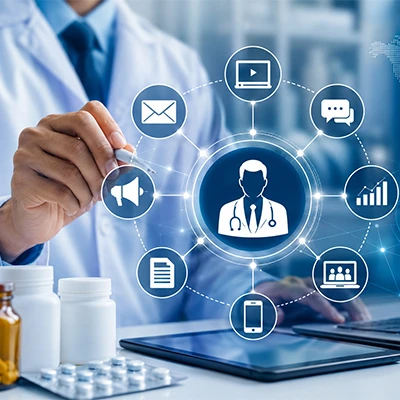
The pharmaceutical industry has entered a new era of healthcare professional (HCP) engagement. Traditional sales representative visits and print materials are no longer sufficient to influence prescribing decisions or build lasting relationships with physicians, pharmacists, specialists, and other healthcare stakeholders. Today's healthcare professionals expect personalized, relevant, and accessible information delivered through their preferred channels.
As digital transformation continues to reshape healthcare communications, organizations are increasingly investing in sophisticated B2B pharma marketing approaches that combine data-driven insights, targeted content, and integrated communication channels. Successful pharmaceutical companies understand that effective HCP engagement requires more than promotional messaging—it demands a strategic blend of scientific education, clinical evidence, and personalized experiences.
A modern pharma marketing strategy must incorporate both digital and traditional touchpoints, enabling seamless interactions across multiple channels. This shift has elevated the importance of pharma multi-channel marketing, multichannel marketing pharma, and omnichannel marketing pharma initiatives that place healthcare professionals at the center of every engagement effort.
This article explores how pharmaceutical companies can develop an effective pharma content strategy that drives meaningful HCP interactions, supports lead generation, and delivers measurable business outcomes.
What is HCP Engagement in Pharma?
One of the most frequently asked questions in pharmaceutical marketing is: What is HCP engagement in pharma?
HCP engagement refers to the process of building meaningful, ongoing relationships with healthcare professionals through educational, scientific, and promotional interactions. The goal is to provide valuable information that helps HCPs make informed clinical decisions while increasing awareness and adoption of pharmaceutical products and therapies.
Effective HCP digital engagement goes beyond product promotion. It includes:
- Sharing evidence-based clinical content
- Delivering continuing medical education resources
- Providing treatment guidelines and research updates
- Offering patient support information
- Facilitating peer-to-peer knowledge exchange
- Enabling access to medical science experts
Modern HCP engagement strategies focus on creating value at every touchpoint. Pharmaceutical companies that consistently provide relevant content establish greater credibility and trust among healthcare professionals.
The Evolution of B2B Pharma Marketing
The healthcare landscape has changed dramatically over the past decade. Physicians increasingly rely on digital resources for clinical information, research updates, and peer collaboration.
As a result, B2B pharma marketing has evolved from product-centric campaigns to customer-centric engagement models.
Several factors have accelerated this transformation:
Increased Digital Adoption
Healthcare professionals now consume information through:
- Medical websites
- Clinical portals
- Professional social networks
- Webinars
- Virtual conferences
- Mobile applications
- Email communications
Data-Driven Decision Making
Pharmaceutical marketers now have access to sophisticated analytics that reveal:
- Content preferences
- Channel usage patterns
- Engagement behaviors
- Prescribing trends
- Audience segmentation insights
Personalization Expectations
Today's HCPs expect content tailored to:
- Specialty
- Practice setting
- Geographic location
- Clinical interests
- Stage in the customer journey
This shift has made personalized content a cornerstone of successful pharma brand strategy initiatives.
Building a Successful Pharma Content Strategy
A robust pharma content strategy forms the foundation of effective HCP engagement.
Content must address the unique needs of healthcare professionals while remaining compliant with industry regulations.
Create Audience-Centric Content
Different HCP segments require different information.
For example:
- Oncologists may seek clinical trial data
- Primary care physicians may need treatment guidelines
- Pharmacists may prioritize safety information
- Hospital administrators may focus on economic outcomes
Understanding these distinctions helps pharmaceutical marketers develop highly targeted content.
Focus on Educational Value
The most effective B2B content marketing for healthcare HCPs prioritizes education over promotion.
High-performing content formats include:
- Clinical research summaries
- Whitepapers
- Expert interviews
- Case studies
- Treatment pathway guides
- Disease awareness resources
- Webinar recordings
Educational content strengthens credibility and increases engagement among healthcare professionals.
Align Content with the Buyer Journey
Healthcare professionals move through different stages of awareness and consideration.
Content should support every stage:
Awareness Stage
- Disease state education
- Industry trend reports
- Research updates
Consideration Stage
- Clinical evidence
- Product comparisons
- Expert opinions
Decision Stage
- Prescribing information
- Safety profiles
- Real-world evidence studies
A journey-based approach enhances both engagement and conversion rates.
What Are the Best Channels for HCP Engagement?
Another common question is: What are the best channels for HCP engagement?
The answer depends on audience preferences and objectives. However, several channels consistently deliver strong results.
Email Marketing
Email remains one of the most effective channels for pharmaceutical communications.
Benefits include:
- Personalization
- Scalability
- Performance tracking
- Content distribution
Medical Websites and Portals
Dedicated HCP portals provide:
- Clinical resources
- Product information
- Educational materials
- On-demand learning opportunities
Webinars and Virtual Events
Webinars allow pharmaceutical companies to:
- Present scientific data
- Host key opinion leaders
- Facilitate discussions
- Generate qualified leads
Professional Social Media Platforms
Platforms such as LinkedIn help organizations:
- Build thought leadership
- Share research insights
- Promote educational content
- Connect with healthcare stakeholders
Mobile Applications
Mobile solutions support real-time access to:
- Drug information
- Clinical calculators
- Educational resources
- Treatment guidelines
A successful pharma multi-channel marketing program combines these channels to create consistent and coordinated experiences.
What Is Omnichannel Marketing in Pharmaceuticals?
Many marketers ask: What is omnichannel marketing in pharmaceuticals?
While often confused with multichannel marketing, omnichannel marketing takes integration a step further.
Multichannel Marketing Pharma
In a multichannel approach, companies use several communication channels independently.
Examples include:
- Email campaigns
- Webinars
- Sales representative visits
- Website content
Although effective, these channels may operate separately.
Omnichannel Marketing Pharma
Omnichannel marketing pharma creates a connected experience across every touchpoint.
For example:
A physician attends a webinar, downloads a clinical paper, receives a personalized follow-up email, and later accesses related content through a mobile app. Each interaction is connected and informed by previous engagement history.
The benefits of pharma omnichannel engagement include:
- Better customer experiences
- Increased content relevance
- Higher engagement rates
- Improved conversion outcomes
- Stronger customer relationships
Omnichannel Strategies for Pharma HCP Digital Engagement
Successful omnichannel strategies for pharma HCP digital engagement require careful planning and execution.
Unified Customer Profiles
Organizations must consolidate data from multiple sources to create a comprehensive view of each HCP.
This includes:
- Specialty information
- Content interactions
- Event participation
- Website behavior
- Email engagement
Consistent Messaging
Every channel should reinforce key messages while adapting content format to the platform.
Real-Time Personalization
AI and analytics enable dynamic content recommendations based on user behavior.
Cross-Channel Measurement
Performance should be evaluated across the entire engagement journey rather than individual channels.
These practices ensure a seamless and personalized HCP experience.
How Pharma Uses AI for Multi-Channel HCP Marketing
The rise of artificial intelligence is transforming pharmaceutical marketing. Many organizations now ask: How pharma uses AI for multi-channel HCP marketing?
AI is helping marketers optimize campaigns, personalize content, and improve engagement outcomes.
AI-Powered HCP Insights Pharma
One of the most impactful applications is generating AI-powered HCP insights pharma teams can use to better understand customer needs.
AI can analyze:
- Content consumption patterns
- Prescribing behaviors
- Engagement preferences
- Channel effectiveness
- Customer intent signals
Predictive Engagement Models
Machine learning algorithms can identify:
- Which HCPs are most likely to engage
- Optimal communication timing
- Preferred content formats
- Potential prescribing opportunities
Content Personalization
AI helps deliver personalized recommendations based on:
- Specialty
- Clinical interests
- Previous interactions
- Educational preferences
Marketing Automation
Automation platforms support:
- Email nurturing
- Lead scoring
- Campaign orchestration
- Follow-up communications
These capabilities significantly improve the efficiency and effectiveness of modern pharma marketing strategy initiatives.
Healthcare B2B Leads and Pharma Lead Generation
Generating qualified leads remains a top priority for pharmaceutical marketers.
Effective pharma lead generation requires a combination of valuable content and strategic engagement tactics.
Content-Driven Lead Generation
Educational resources can attract and convert healthcare professionals.
Examples include:
- Clinical whitepapers
- Industry reports
- Research summaries
- Webinar registrations
- Interactive tools
Account-Based Marketing
Account-based strategies focus on high-value healthcare organizations and decision-makers.
Marketing and Sales Alignment
Collaboration between marketing teams and field representatives ensures qualified healthcare B2B leads receive timely follow-up.
Lead nurturing programs further improve conversion rates by maintaining consistent engagement throughout the decision-making process.
Measuring ROI in Pharma Content Marketing
A common challenge for pharmaceutical organizations is measuring ROI in pharma content marketing.
Traditional metrics such as impressions and clicks provide only part of the picture.
Key performance indicators should include:
Engagement Metrics
- Content downloads
- Webinar attendance
- Website interactions
- Email open rates
- Time spent on content
Lead Metrics
- Qualified leads generated
- Conversion rates
- Sales opportunities created
Customer Metrics
- HCP retention
- Repeat engagement
- Channel utilization
Business Metrics
- Revenue impact
- Prescription growth
- Market share improvements
- Customer lifetime value
Advanced attribution models help marketers understand how different channels contribute to overall outcomes.
Best HCP Engagement Strategies for Pharmaceutical Companies
Organizations seeking stronger results should consider these proven best HCP engagement strategies:
Deliver Personalized Experiences
Tailor content to individual needs and preferences.
Prioritize Scientific Value
Focus on evidence-based education rather than product promotion.
Adopt Omnichannel Approaches
Integrate all channels to create seamless customer experiences.
Leverage AI and Analytics
Use data-driven insights to improve targeting and personalization.
Continuously Optimize Campaigns
Monitor performance and refine strategies based on measurable outcomes.
Strengthen Thought Leadership
Position the organization as a trusted source of scientific knowledge.
Together, these practices drive sustainable engagement and stronger business performance.
Conclusion
The future of B2B pharma marketing lies in personalized, data-driven, and integrated engagement strategies that place healthcare professionals at the center of every interaction. As digital transformation continues to reshape the pharmaceutical industry, organizations must move beyond isolated campaigns and embrace comprehensive pharma multi-channel marketing and omnichannel marketing pharma approaches.
A successful pharma content strategy combines educational value, scientific credibility, advanced analytics, and AI-powered insights to create meaningful experiences for healthcare professionals. By implementing effective HCP engagement, pharma lead generation, and pharma omnichannel engagement programs, pharmaceutical companies can strengthen relationships, generate qualified leads, improve customer satisfaction, and achieve measurable business growth.
Companies that invest in modern pharma marketing strategy frameworks today will be better positioned to meet evolving HCP expectations and maintain a competitive advantage in the increasingly digital healthcare ecosystem.
Frequently Asked Questions
What is HCP engagement in pharma?
HCP engagement refers to the process of building meaningful interactions with healthcare professionals through educational content, scientific communications, and personalized experiences across multiple channels.
What are the best channels for HCP engagement?
Email, webinars, HCP portals, medical websites, professional social media platforms, mobile applications, and sales representative interactions are among the most effective channels.
What is omnichannel marketing in pharmaceuticals?
Omnichannel marketing in pharmaceuticals creates a seamless experience by integrating all communication channels and using engagement data to personalize future interactions.
What are the best HCP engagement strategies?
Personalized content, scientific education, AI-driven insights, omnichannel communication, and continuous performance optimization are among the most effective strategies.
How pharma uses AI for multi-channel HCP marketing?
Pharmaceutical companies use AI to analyze engagement data, predict HCP preferences, personalize content, automate campaigns, and improve targeting across channels.

Kate, Editorial Team at Pharma Focus America, leverages her extensive background in pharmaceutical communication to craft insightful and accessible content. With a passion for translating complex pharmaceutical concepts, Kate contributes to the team's mission of delivering up-to-date and impactful information to the global Pharmaceutical community.