Embracing AI to Revolutionize Drug Safety: A Call for Modernizing Pharmacovigilance Practices
Pramod Kumar, Founder and CEO, Praxigent
Pharmacovigilance is vital for protecting patients, but traditional approaches fail to address diverse populations and real-world complexities. This article highlights how AI, particularly LLMs and Gen AI, revolutionizes drug safety by enabling real-time reporting, uncovering hidden risks, and ensuring timely detection of adverse events. By embracing AI, we safeguard vulnerable populations and enhance global health outcomes.

Pharmacovigilance (PV) is more than a regulatory requirement—it is a lifeline for patients worldwide. Every adverse drug reaction (ADR) report represents a real patient, a mother navigating pregnancy, a child battling illness, or an elderly individual managing multiple conditions. In this rapidly evolving field, a "one-size-fits-all" approach is inadequate. The complexity of human diversity demands a pharmacovigilance system capable of uncovering hidden risks and responding with agility. AI technologies, particularly Large Language Models (LLMs) and Generative AI (Gen AI), provide a transformative opportunity to modernize PV, ensuring timely identification and reporting of safety concerns, especially in the most vulnerable populations.
This article explores how AI can revolutionize drug safety by addressing challenges across the pharmacovigilance spectrum and aligning with the vision of health agencies across the world. It also highlights how AI can address longstanding inefficiencies in case intake, signal detection, regulatory compliance, and reporting, Special emphasis is placed on the importance of timely reporting from diverse patient populations and the need for a tailored approach to pharmacovigilance.
The Human Cost of Delayed Reporting

Every delay in reporting an adverse event is a missed opportunity to protect patients. Vulnerable populations—like children, pregnant women, and the elderly—are often at greater risk due to their unique physiological conditions. For instance:
- Pregnant Women: ADRs during pregnancy can lead to devastating outcomes, such as congenital anomalies or pregnancy loss. Timely reporting is critical to identify risks early and prevent similar outcomes in others.
- Children: With their developing bodies, children may react differently to medications than adults. Delayed detection of adverse effects can lead to widespread harm in pediatric populations.
- Elderly Patients: Polypharmacy in elderly individuals often increases the risk of ADRs. Early identification of drug interactions could prevent hospitalizations and improve quality of life.
How AI Enables a Tailored Approach to Pharmacovigilance
AI-powered systems address the shortcomings of the "one-size-fits-all" approach by adapting to the complexities of real-world data and diverse populations. Here’s how:
1. Uncovering Hidden Risks in Diverse Populations
- Data Integration and Analysis: AI can process vast amounts of data from various sources, including electronic health records, social media, and spontaneous reporting systems, uncovering safety signals that might otherwise go unnoticed.
- Subpopulation Insights: AI systems can analyze adverse event trends within specific subpopulations, such as individuals with rare genetic markers, allowing for more precise risk assessment.
2. Enhanced Identification of SUSAR Cases
- Pattern Recognition: LLMs excel in detecting unexpected patterns in unstructured data, enabling the early identification of SUSARs.
- Real-Time Alerts: AI can generate real-time alerts for regulatory agencies and pharmaceutical companies when signals suggest a previously unknown serious adverse reaction.
3. Timely and Inclusive Reporting
- Automated Case Intake: AI can capture reports from diverse sources, including mobile apps and online forms, ensuring that adverse events from underrepresented populations are not overlooked.
- Multilingual Capabilities: AI’s ability to process data in multiple languages ensures that reports from global populations are included in safety assessments.
4. Real-Time Adverse Event Capture
- Social Media Surveillance: AI tools can monitor platforms like Twitter, Facebook, and online forums to identify potential ADRs in real-time. For example, an AI system could flag posts describing symptoms after medication use, creating a pathway for further investigation.
- Mobile Applications for Reporting: AI-powered apps can guide patients, caregivers, and healthcare professionals in reporting ADRs with minimal effort with a user-friendly application interface, ensuring that even those with limited medical knowledge can contribute valuable data.
The Ripple Effect: Protecting Larger Populations
When adverse events are reported and acted upon promptly, the ripple effect can save countless lives. Consider a scenario where an adverse reaction to a widely used pediatric vaccine is reported within days rather than weeks. Early detection could prevent thousands of similar reactions, preserving the health and trust of families worldwide.
Similarly, timely reporting of drug interactions in pregnant women could guide safer prescribing practices, protecting not only the mother but also the unborn child. These are not abstract benefits; they are tangible outcomes that directly impact lives.
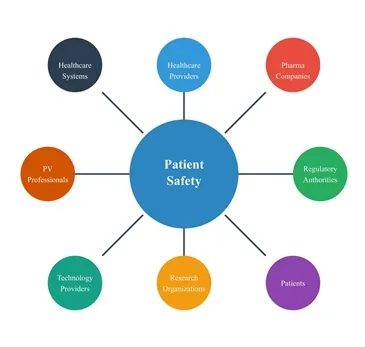
An Emotional Imperative: Prioritizing Patient Safety
Modernizing pharmacovigilance is not just about meeting regulatory requirements or streamlining processes; it is a moral obligation. When we fail to act quickly, it is not just data that gets lost—it is lives. The story of a child who suffers from an undetected ADR or a mother who loses her baby due to preventable drug interactions is a stark reminder of the stakes involved.
AI offers hope. By enabling faster reporting, better detection, and proactive risk management, it ensures that pharmacovigilance fulfills its ultimate mission: protecting patients, especially the most vulnerable.
Conclusion: A Future Worth Fighting For
The integration of AI into pharmacovigilance is more than a technological advancement—it is a pledge to do better for those who trust us with their health. It is about ensuring that a mother can take her medication without fear, that a child can receive treatment without risk, and that every patient, no matter how vulnerable, is protected.
This is a future where data works for people, where technology amplifies humanity, and where the speed of innovation matches the urgency of saving lives. By embracing AI, we can transform pharmacovigilance into a proactive, patient-centered discipline, aligning with the vision of agencies like the FDA and safeguarding the well-being of millions.
The time to act is now. Every moment we delay is a moment we fail the people who depend on us. Let us seize this opportunity to create a safer, healthier world.

Pramod Kumar is a pharmacovigilance and drug safety expert with over 20 years of experience addressing industry challenges in regulatory compliance, risk management, and adverse event reporting. As the founder of Praxigent, he envisions modernizing pharmacovigilance practices through AI, LLMs, and Generative AI. Praxigent was established to bridge critical gaps in the pharmacovigilance industry, offering innovative solutions to streamline adverse event reporting, enhance regulatory compliance, and ensure patient safety. With a mission to empower global pharmaceutical companies, Pramod continues to advocate for transformative technologies to create a safer, patient-centric healthcare system.