

How Telehealth Is Transforming Access to Care in Chronic Disease Management
Lesley Barton, National Clinical and Training Manager, Bunzl & AMHC
For decades, the standard paradigm of chronic disease management has been reactive and episodic, anchored by intermittent, in-person consultations. This model leaves significant gaps in the continuum of care, often leading to poor adherence, delayed interventions, and suboptimal patient outcomes. However, the rise of sophisticated telehealth and virtual care models is fundamentally redefining this dynamic.
Introduction:
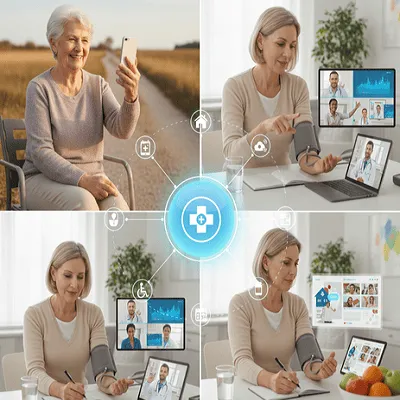
Telehealth is more than a remote consultation tool. It’s a permanent system that supports long-term disease monitoring, fosters continuous patient engagement and provides an unprecedented platform for boosting treatment adherence. This shift creates new value streams for pharmaceutical companies, demanding deep integration of digital strategies into R&D, market access, and patient services.
The Escalating Cost and Clinical Gaps of Chronic Disease
The burden of chronic diseases in the U.S. healthcare system has reached critical mass. Conditions such as diabetes, hypertension, Chronic Obstructive Pulmonary Disease (COPD), and heart disease account for a significant percentage of healthcare spending and are the leading drivers of morbidity and mortality. While these conditions are manageable, maintaining continuous care remains a significant challenge. Patients often struggle with geographical limitations, time constraints and the sheer inertia of attending frequent in-person appointments. And other chronic health issues, such as nutrition, diabetes and various forms of incontinence can also cause ongoing problems.
This results in high rates of non-adherence and significant gaps in follow-up, particularly among vulnerable, rural and underserved populations. The cost impact is staggering, underscoring the urgent need for scalable, technologically driven solutions that can sustain continuous monitoring and support beyond the clinic walls.
Virtual Care: A New Paradigm for Access and Continuity
Telehealth serves as a powerful digital bridge, replacing episodic care with a robust framework for continuous engagement and real-time intervention. This transition is powered by three core capabilities:
- Remote Patient Monitoring (RPM): The integration of medical devices and consumer-grade wearables (e.g., continuous glucose monitors, smart blood pressure cuffs) allows for the continuous, asynchronous collection of vital physiological data. This data is fed directly to care teams, enabling proactive adjustments to medication protocols.
- Synchronous and Asynchronous Consultations: Virtual visits and secure messaging allow clinicians to maintain a regular cadence of interaction without demanding travel time from the patient, fostering stronger relationships and improving follow-up rates.
- Mobile App Integration: Specialised digital platforms function as patient support systems, offering personalised educational content, medication reminders and direct communication channels linked to the health system.
By digitising the monitoring and communication loop, telehealth ensures that, minor clinical deviations are identified and corrected preemptively, preventing the escalation of conditions that typically drive costly emergency department visits and hospitalisations.
Strategic Value Drivers: Five Key Benefits of Telehealth Integration
The move to virtual care yields profound strategic benefits that create value across the entire pharmaceutical value chain, from R&D to market access and supply chain execution:
1. Enhanced Adherence and Medication Persistence
The immediate and commercially valuable impact of continuous virtual care is the direct correlation with treatment adherence. Telehealth platforms mitigate the common reasons for treatment discontinuation by providing daily reminders, immediate feedback loops based on physiological data, and easy access to clinical support. Improved adherence translates directly into higher long-term drug utilisation rates, which is a key performance indicator for both demonstrating clinical efficacy in the real world and securing sustainable revenue for pharmaceutical products.
2. Richer Real-World Evidence (RWE) Generation
Telehealth platforms generate high-fidelity, continuous data streams from diverse patient populations, creating an unparalleled source of Real-World Evidence (RWE). This goes far beyond intermittent clinical trial data, providing granular insight into how a medication performs in daily life, across various environments and co-morbidities. This robust, continuous RWE is strategically vital for informing market access discussions, supporting regulatory submissions, demonstrating superior value to payers and refining future therapeutic development strategies.
3. Reduced Total Cost of Care (TCOC)
By facilitating continuous monitoring and adherence, virtual care models demonstrably lead to a reduction in costly acute events. Proactive intervention based on RPM data prevents severe complications, thereby lowering emergency room utilisation, inpatient admissions, and readmission rates. For payers and integrated health networks, this reduction in TCOC is the primary financial driver for adopting telehealth solutions, positioning pharmaceutical companies that integrate these services as essential partners in value-based care agreements.
4. Precision-Driven Therapeutic Interventions
The continuous stream of patient data (e.g., blood pressure logs, glucose trends) allows clinicians to move beyond standardised dosing schedules. This data enables precision-driven adjustments to pharmacotherapy, tailoring dosing, frequency, or combination therapies with greater accuracy and speed than traditional models permit. For pharma, this provides an avenue to demonstrate the differential value of their products when managed optimally within a data-rich environment, driving forward the goal of personalised medicine.
5. Supply Chain and Inventory Optimisation
As chronic disease management becomes more predictable and patient adherence is stabilised, the volatility in demand forecasting is reduced. This stability allows supply chain and procurement teams to benefit from greater certainty, enabling more accurate procurement of APIs and finished goods. Logistics can be streamlined, optimising the distribution of patient-specific chronic medications and reducing the expensive waste associated with drug expiry due to lapsed or failed patient therapies.
Navigating the Headwinds: Addressing Barriers to Broader Adoption
Despite its transformative potential, the widespread, seamless integration of telehealth faces significant structural challenges that require executive focus. Regulatory clarity and reimbursement parity remain primary concerns; inconsistent state-by-state regulations on cross-state licensing and long-term reimbursement rates for virtual services create operational friction. Furthermore, the robust integration of new RPM data streams with legacy Electronic Health Records (EHRs) and existing IT infrastructure is complex and costly. Privacy concerns, particularly compliance with HIPAA across diverse digital platforms, demand stringent governance. Finally, addressing the digital divide, ensuring all patients, regardless of technological literacy or socio-economic status, can effectively access and use these tools, is crucial for maximising patient impact.
Conclusion:
Extending Care to Secure the Future of Therapy
Telehealth is firmly establishing itself as the essential infrastructure for managing the twenty-first century’s chronic disease epidemic. It is vital to recognise that virtual care is not designed to replace the human element of traditional healthcare, but rather to extend its reach and intelligence. This extension closes the gap between infrequent doctor visits and the daily realities of disease management. This technology empowers patients, gives providers continuous insight, and delivers pharmaceutical companies unprecedented data on therapy performance and adherence.
For supply chain and operations leaders, this digital revolution requires forging new, collaborative relationships with technology partners and proactively adapting infrastructure to support this new, data-driven model of patient engagement. Investing in this digital transformation is, ultimately, investing in superior long-term outcomes for patients and securing the sustainable future of therapeutic access.

Lesley Barton’s extensive healthcare expertise and leadership have made a significant contribution to clinical education and best-practice standards. Her work with Bunzl & AMHC, alongside her role with the Continence Foundation of Australia, reflects a strong commitment to advancing patient care. Through the Clinical Care Connections (CCC) program, Lesley has strengthened training initiatives in continence care, wound management, and medical consumables. She continues to be a key figure in shaping healthcare education and supporting clinical excellence across Australia.