

Microbiome Research: Understanding Its Impact on Drug Metabolism and Health
Sarah Richards, Editorial Team, Pharma Focus America
Microbiome research shows that it plays a very important role as a mediator of metabolism and having a strong or bearing on health. Gut bacteria impact drug bioavailability, effectiveness, and side effects as well as digestion, immunity, and metabolism. Understanding of such interactions assists in designing particular treatment for patients, formulation of safer drug and improved health, which is a revolution in the field of medicine.

Introduction:
The human microbiome refers to all microbial particulate matter that is present in human throughout their life cycle including bacteria, viral, fungal and the rest. These small organisms are very vital in our body since they are involved in influencing almost all organs of the body from the gut to the immune system. It has also been revealed that microbiome also has influences over metabolism of drugs and overall wellness of the person. This article will also discuss on how these areas relate to the microbiome and the future of medical treatments.
What is the Microbiome?
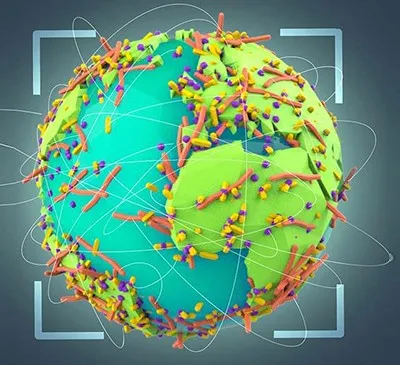
Microbiome constitutes trillions of microbes which mainly colonize the gastrointestinal tract and can also be present on the skin, in the mouth and other parts of the body. Everyone has his or her specialist microbiome and it is even rendered unique by the foods one takes, where one lives, the age and heredity.
The Role of the Microbiome in Drug Metabolism
Pharmacokinetics includes the aspects of absorption, distribution, metabolism as well as excretion of the specific drug or medication. Thus, drug metabolism can be largely attributed to the liver’s enzymes, and gut microbiome cannot be dismissed as irrelevant to the process. Here’s how:
1. Enzyme Production: Certain of the intestinal bacteria contain the ability to produce enzymes, which act on the formulations changing the same in a certain way. This in turn can affect the effectiveness of the drug as well as any side effects also. For instance, bacteria may in some instances have the ability to oxidize drugs into even more effective substances or on the other hand – into ineffective ones.
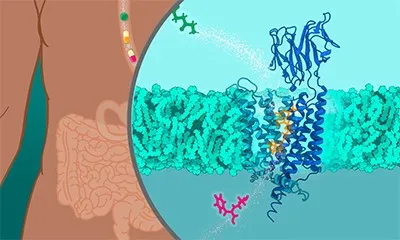
2. Drug Absorption: Oral medication can be affected by microbiome depending on the change that it creates on the drug bioavailability. However, it is also pertinent to establish that while some of the microbes can alter the architecture of the gut wall, or manufacture something that can in one way or the other affect the amount and rate of the manner of drug uptake in the body.
3. Drug Interaction: Microbes in the gut may alter medicines in such a way that will lead to otherwise unpredictable side effects, or even changes in the drugs’ efficacy.
For instance, the presence of antibiotics may change the balance in microbiota, which results in the fewer effectiveness of other medications or side effects.
How the Microbiome Affects Health?
The several ways by which the microbiome affects the health status of an individual include. Here are some key areas:
1. Digestive Health: It seems that different microbiotes hold a role in degradation and accumulation of polymeric carbon sources and in the biosynthesis of definite nutrients. This, if out of balance is referred to as dysbiosis which is responsible for most of the digestion related complications like the irritable bowel syndrome (IBS), and the inflammatory bowel disease (IBD).
2. Immune System: Microbiome on its own has a direct interaction with the immune system of the body and therefore will assist in the functioning of the balance of the immune response and immune health. The condition of the balance in the intestines will assist have a stronger immune system while forcing autoimmune diseases and allergies.
3. Mental Health: The researches that have been conducted in the recent past indicate a link between the bacteria that is found in the intestines and the mental disorders. This is at times referred to as the ‘gut-brain axis’. Food, can affect state of mind and conduct, therefore it can influence mood related disorders that involve depression and anxiety.
4. Metabolic Health: The specific factors that are managed by the microbiome include body weight, glucose level among others. Pathological alterations of the microbiota have been linked to metabolic diseases like obesities and diabetes.
Implications for Drug Development and Personalized Medicine
The results gained in the study of the microbiome’s participation in drug metabolism and in general human health also have crucial importance for the creation of new medications and the theory of individualized medicine.
Personalized Treatments: by knowing more about the existing population and what is good for a certain patient, doctors will get better at prescription. This would increase the effectiveness of the administered drugs and decrease number of incidences of side effects.
New Drug Targets: Biomedical researchers are able to look at drug delivery on the microbiome to improve the success of drugs. For instance, applying genetic engineering to increase the drug delivery by altering the adherence to gut bacteria or by reducing the damage of the drugs delivered.
Predicting Drug Responses: In the future, a person’s microbiome could be used to predict that specific individual’s response to an administered medication. This could in turn assist in the right number of the drugs administered hence better results in the treatment.
Preventing Drug-Induced Issues: The knowledge of drug-microbiome interactions would be valuable for the prevention or minimization of such outcomes. This could in turn result in development of safer formulations of drugs and recommendations on how to use them.
Future Directions in Microbiome Research
As research continues, several areas are being explored:
a. Microbiome Mapping: Greater survey of all microbial forms in various individuals can give information regarding the variation of other microbes and their effect on the metabolism of drugs and well-being.
b. Clinical Trials: Larger clinical trial researches should be conducted to determine how the changes to the microbiome can enhance the effectiveness and reduce the possible adverse effects of the medications. This is why such possibilities as the use of probiotics and prebiotics were considered during the investigation.
c. Ethical Considerations: Once microbiome information is incorporated into patient’s records it becomes an important issue of privacy risks and consent. The proper use of data is something that needs to be encouraged in order to further this line of study.
d. Educational Efforts: The refinement of knowledge among the healthcare providers and patients concerning the role of microbiome ultimately assists in the enhancement of health results and better control of drug treatments.
Conclusion
The human microbiome which is the ecosystem of microbes existing in and on the human body is also a significant actor for drug metabolism as with any other organism and for general health. Knowing how it works together with medications and concerning different diseases, the investigators and physicians can create improved and idiopathic therapies. With microbiome investigation continuing in this area, the opportunities for enhancing people’s health are clear for vast possibilities that pave a way for better patterns for medical practices.

Sarah Richards, Editorial Team at Pharma Focus America, leverages her extensive background in pharmaceutical communication to craft insightful and accessible content. With a passion for translating complex pharmaceutical concepts, Sarah contributes to the team's mission of delivering up-to-date and impactful information to the global Pharmaceutical community.