

From Miracle Drugs to Superbugs: Understanding Antimicrobial Resistance
Kate Williamson, Editorial Team, Pharma Focus America
AMR is characterized as one of the most severe threats to global health since it weakens antibiotics, antiviral drugs, antifungal drugs and antiparasitic drugs. This article is based on the development of AMR and the need for the formation of stewardship programmes, researches, and infection control measures, monitoring and creating public awareness for this major issue.
Introduction
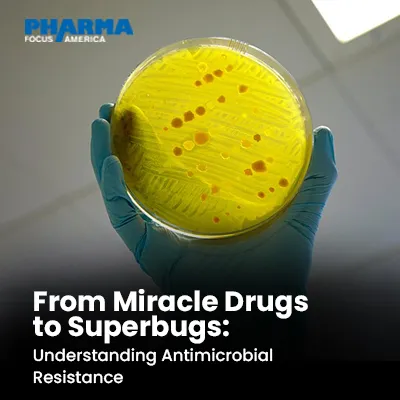
It is crucial to learn that AMR is a relatively recent health concern mainly undermining the efficacy of required drugs globally. Earlier the drugs that fought against bacteria, virus, fungi and parasites were called the miracle drugs, but due to emergence of some strains of body pathogens regarded as the ‘’superbugs’’, the effectiveness of these drugs has lessened.
What is Antimicrobial Resistance?
Antimicrobial resistance actually is a trend whereby microorganisms for instance bacteria, virus, fungi and parasites also are left with the capability to fail in the drugs that at first neutralizes or removes them. This makes the usual type of therapies to be of no avail and thus augments the infection rate as well as the spread.
Mechanisms of Resistance
These are drugs which are prescribed to cure bacterial, viral, fungal and parasitic diseases and the development of resistance occurs due to various reasons. Such mechanisms are important in the development of strategies to contain this phenomenon of antimicrobial resistance.
Mutations: Genetic mutations is one way which microorganisms gain their resistance. These are random changes in the DNA that can occur naturally over time. Of these mutations some might be beneficial to the microorganism for instance the ability to survive a dose of an antimicrobial drug. Once they multiply, the beneficial mutation is inherited by the subsequent generations, and thus there exists a population of antibiotic-resistant microbes.
Gene Transfer: Gene transfer is also another way that microorganisms obtain resistance; here the microorganisms exchange genes from one another. This however can happen between individuals or species of the same genus as well as between individuals or species of different genera. There are three main ways this can occur: conjugation- a process where two microorganisms directly exchange genetic material, transformation- where genetic material is taken from the surrounding environment and transduction- the transfer of genetic material by a virus. This mechanism of gene transfer is comparatively fast in the microbial community and that assists in the shift of the resistance genes between two organisms.
Efflux Pumps: Certain bacteria contain efflux pumps, these are proteins that are instituted on the bacterial cell wall. Such sort of pumps are involved in the efflux of antimicrobial agents from the cell reducing the concentration of the drug. Thus, the drug turns out to be less effective in eliminating or inhibiting bacterial growth and development; thus, the bacteria remain alive and reproduce.

Enzyme Production: Another way that microorganisms have adopted in order to defy the antimicrobial agents is by affiliating with enzymes that facilitate the transformation of drugs into effectiveness. For example, beta lactamase an enzyme which shall inactivate beta lactam antibiotics like penicillin. Thus, the remaining bacterial implicitly neutralize the antibiotic and do not risk being killed by it. Such enzymatic degradation poses some issues when it comes to the antibacterial treatment with some of the antibiotics with the enhanced likelihood of bacterial resistance to such therapy.
Such mechanisms are vital to comprehend in the battle against antimicrobial resistance. It helps scientists and healthcare workers to establish new drugs, therapy approaches and guidelines to slow down the further emerging of such bacteria and keep the efficiency of existing antimicrobial medications.
Causes of Antimicrobial Resistance
AMR has several factors in this regard; it is important to understand these causes and come up with strategies of eradicating this emerging vice.
Overuse of Antimicrobials: The established fact that contributes to the development of AMR is the over usage of antimicrobial drugs. This ranges from, the antibiotic, antiviral, antifungal and the antiparasitic class of drugs.It is when used in large quantity or wrongly that there is formation of selective force that leads to growth of antibiotic resistant microorganisms. For example giving antibiotics to infections they cannot heal, for instance the common cold or flu only worsens the situation by making bacteria resistant to antibiotics.
Inappropriate Prescribing: Another area that has been predicted to be mostly to blame for the occurrence of antimicrobial resistance is the misuse of antimicrobials. The doctors can prescribe the antibiotics without even attempting to make the diagnoses if the patient really has a bacterial related sickness or select the wrong kind of antibiotic or the wrong dose of the antibiotic. This misuse not only fails to accomplish the treatment of the infection, but also provides the microorganisms the chance to enhance their probability of resistance.
Agricultural Practices: Another of the most significant causes of AMR is the employment of antibiotics in the feed and water of animals. Antibiotics are also administered to food animals either for growth promotion or for disease prevention in apparent and healthy stock. This results in the emergence of more potent strains of bacteria in animals which may have potential to spread to human beings through consumption of meat, contact with animals, or even through water and soil samples.
Poor Infection Control: Preventable or uncontrolled infection procedures in healthcare institutions and the general population are significant contributors to the increase of resistant microorganisms. If healthcare centers and facilities in particular, fail to adhere to strict measures on hygiene and sanitation, they availed themselves as birth-place for such resistant bacteria. Lack of effective infection control measures facilitate the transmission of these bacteria to/from patients, health care personnel, and members of the population in general.
Global Travel: Globalization in terms of easy and fast movement of people, animals, and food spreads the resistant microorganisms across different countries. A patient who was colonized or infected by a resistant pathogen in one country can easily travel to an adjacent country with the resistant microorganism. This makes AMR a global issue due to the ease with which this resistant strains are shared across globally.
If the causes of AMR are tackled through responsible use of antimicrobials, enhanced infection control prevention measures, and international collaboration, the progression of AMR is slowed down and the effectiveness of these important drugs is maintained for future generations and mankind.
Impact of Antimicrobial Resistance
AMR confers severity in that it covers all categories of health, patient, society and healthcare organization. This shows the need to combat AMR because it increases the impacts of diseases we already have implying more deaths.
Increased Mortality: The most terrible outcome of AMR is the marked rise in the mortality rate. Bacterial resistant infections are hard to fight, if not impossible to eradicate thereby; increasing the death rate among the affected individuals. There are several at-risk populations especially the senior people, children, and those with low immunity to diseases. When containing antimicrobial treatments, illnesses and small wounds that previously could be cured become fatal.
Longer Hospital Stays: Patients having resistant infection will be likely to stay more in the hospital than patients with non-resistant infections. Sustaining these infections often requires additional and long rigorous medical management accompanied by use of other drugs that are relatively more toxic or more expensive. This not only puts further pressure on healthcare centers, but the patient, during his or her stay, is more prone to additional infections and complications.
Higher Medical Costs: The effect of AMR on the economy is massive. In general, treating recalcitrant infections tends to be more costly given that it would require hi-tech mechanism of drugs, more and more tests, and long hospital days. They are capable of exerting pressure on the healthcare facilities and also the burden pushed to patients and their families as they have to meet these successive medical costs. Also, the costs of operations being halted for a long time and then the time that patient takes to get back to work all form part of the costs that make up the economic burden.
Threat to Medical Advances: AMR poses a severe risk to most of the health achievements that have been made within the past few decades. Surgeries, chemotherapy, organ transplants and other medical treatments are strictly dependent on the antimicrobials to avoid or control infection. Without these drugs, the occurrence of infection in those medical procedures and after the procedures becomes high making them more risky and less advisable. This could in effect reverse progress in numerous areas of medicine and work to decrease the quality of health care available to the public.
Examples of Resistant Pathogens
Several well-known superbugs illustrate the threat of AMR:
- Methicillin-Resistant Staphylococcus Aureus (MRSA): Present in at least fifty percent of the hospitals around the world and possessing the ability to withstand many varieties of antibiotics, MRSA is a dominant cause of hospital acquired infections.
- Carbapenem-Resistant Enterobacteriaceae (CRE): Resistant to almost all the known antibiotic drugs and can be lethal to upto 3 individuals in a single day.
- Multidrug-Resistant Tuberculosis (MDR-TB): When treating MDR-TB is difficult and costly, such patients cannot be treated with the first two effective anti-TB drugs.
- Drug-Resistant Neisseria Gonorrhoeae: This pathogen causes gonorrhhea and is gradually becoming more and more formidably resistant to several drugs, thus complicating the management of the disease.
Therefore, with the help of the expanded perspective of the effects of AMR, one can understand the need for action in all sectors in the society. It entails the efficient use of the existing antimicrobial agents, the emergence of newer ones and the proper precautions to prevent infections and ensure that the population’s health is protected alongside the effectivity of the antimicrobial measures.
Combating Antimicrobial Resistance
AMR is one such problem whose solution needs to be aimed at its different aspects and implemented through various strategies. Despite the fact that it is impossible to reverse the process of the formation of resistance, targeted measures taken in different fields will help to slow down its development and maintain the efficiency of modern therapies.
Stewardship Programs: Perhaps one of the most important measures in tackling AMR, is by coming up with antimicrobial stewardship programs. These programs encourage the rational use of antimicrobial agents to limit their prescription to cases where it is useful and prescribe the right amount as recommended by medical practitioners. Doctors and nurses in healthcare facilities are taught strategies that can be useful in determining situations that antibiotics are required and the most appropriate result producing antibiotics to use. It makes the use of antibiotics and other such drugs more rational thus cutting on the rates of their misuse or unnecessary use, the main causes of resistance.
Research and Development: Research and development should be provided to assist with combating AMR as investing in it is crucial. This must incorporate the discovery of new antibiotics, vaccine research and the discovery of new diagnostic tools. New antibiotics are also important since some bacteria develop resistance to the commonly used antibiotics. Vaccines help to reduce the occurrences of infections from which the antibiotics then have to force their release upon us. Proactive diagnostic equipment can easily detect infection, thus allow rightful prescription of antibiotics and reduce the rates of unnecessary prescription.
Infection Control: The occurrence and spread of resistant organisms are now challenges in healthcare facilities, and therefore strict infection control measures that should be practiced in these areas are very important. Many health facilities involve certain standards and measures of sanitation such as hand washing, sterilization of equipment’s used, wearing of masks among health workers. This includes but not limited to, avoiding the admission of new patients who are suspected or confirmed to have resistant infections, isolation of patients with resistant infections from other patients and healthcare workers. Strict hygiene practice leads to the prevention or decrease in the occurrence of infections that are acquired during the stay in the hospitals and which are as a result of resistant bacteria.
Surveillance: Surveillance and monitoring of the antimicrobial resistance trends are essential for health and related strategies. It is achievable via tracking of resistant strain prevalence, whereby the predictions of possible outbreaks can be made and measures to mitigate them taken. It is equally beneficial in understanding the trends and stimulation of resistance for policy making as well as composing the research agenda. Remarking this data worldwide also helps to ensure the coordinated and efficient fight against AMR.
Public Education: Patient education is responsible for increasing public consciousness of the need to adhere to the appropriate use of antimicrobial agents.
Assuming that the public gets accurate information on the harms of using or overusing antibiotics, such decisions are more likely to be superior. People should realize that antibiotics are not a do-it-yourself commodity and should only be taken under the prescription of a doctor, and to complete the course of treatment regardless of the health improvement. Through public health information on hygiene practices and vaccination would eventually lower the use of antibiotics.
Personal Responsibility
Individuals can also play a role in combating AMR:
- Follow Prescriptions: Make sure to consume antibiotics as prescribed and complete the whole course.
- Avoid Self-Medication: do not access antibiotics without orders from the doctors and never take the leftover drugs.
- Vaccinate: Ensure you are vaccinated for any common diseases that you may be susceptible for and end up getting infected and requiring antibiotics.
- Practice Hygiene: To reduce the incidences of infections, one should wash his/her hands frequently and practice hygiene.
Conclusion
The threat of antimicrobial resistance should be addressed as a global process that involves healthcare workers, scientists, legislators, and citizens. We can minimize the effects of AMR through the following measures; increasing prudent use of antimicrobials, funding new treatments, implementing strict infection control measures and having awareness on AMR.

Kate, Editorial Team at Pharma Focus America, leverages her extensive background in pharmaceutical communication to craft insightful and accessible content. With a passion for translating complex pharmaceutical concepts, Kate contributes to the team's mission of delivering up-to-date and impactful information to the global Pharmaceutical community.