


Top 10 Carbon Reduction Strategies for Pharma Manufacturers in 2025
Kate Williamson, Editorial Team, Pharma Focus America
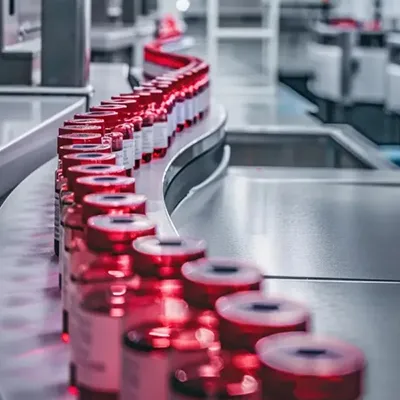
Revolutionizing Sustainability through Innovative Manufacturing
Introduction to Carbon Reduction in Pharma Manufacturing
In 2025, carbon reduction strategies of pharmaceutical production have shifted to the compulsory operating requirements. The pharmaceutical sector, once essentially concerned with accuracy, security, and regulatory compliance, is now being pushed to develop in not merely treatment innovativeness, yet in sustainability. The effect of climate change, cost of operations and scrutiny by the regulators, investors and consumers are transforming the production of pharmaceutical products. As a result, both factory-floor action plans and boardrooms are dominated by pharmaceutical carbon reduction efforts. This has fueled the shift toward eco-friendly pharma production methods, inspiring a transformation in how the industry perceives responsibility beyond treatment outcomes.
Although the industry plays an important role in promoting health in the world, it also emits carbon emission in the world. Such a paradox has led to the necessity to shift towards sustainable pharmaceutical manufacturing solutions which would reduce ecological harm and preserve the therapeutic effect. Aside with increased focus on the environmentally-friendly pharmaceutical production process, the pharma industry is in the process of recreating its manufacturing roadmap through sustainable pharma manufacturing practices and innovation in technology.
Why Are Carbon Reduction Strategies Critical for Pharma in 2025?
Climate rules, in particular in Europe, the U.S., and developing countries are becoming stricter. Pharma ESG compliance 2025 is becoming one of the main aspects considered by investors, binding firms to report carbon related values and to prove what efforts are being made to achieve net-zero targets. Besides, the level of awareness has become even higher not only in the parts of drugs being efficient, but also of the actions related to the production of drugs being rightful.
Profitability, efficiency of operations and brand loyalty are now being associated with green manufacturing in pharmaceuticals. Governments are providing incentives to those companies which will use renewable energy pharmaceutical manufacturing as part of their compliance path. But the digital transformation of sustainability programs in pharma is arming companies with the means to measure, optimize and report the carbon footprint in real time. It is obvious, that without taking measures to reduce carbon without using carbon reduction strategies pharma 2025 the businesses will be left behind as far as the environmental aspects and economy is concerned.
What Are the Top 10 Strategies to Reduce Carbon Footprint in Pharma Manufacturing?
1. Transition to Renewable Energy Sources
One of the most effective methods of reduction of carbon emission is switching renewable energy pharmaceuticals production.
Pharma facilities on both sides of the continents are increasingly getting charged with solar panels, wind turbines, and green hydrogen solutions. These do not only cut down the dependency on fossil fuels but also make long-term energy prices stable. Johnson and Johnson and Novartis are already working towards 100 percent sustainable energy in their operations, the trend is already being flagged off.
2. Energy-Efficient Equipment and HVAC Systems
The focus of cutting down energy consumption lies primarily on the advanced HVACs, chillers and high efficient boilers. Energy optimization is also guaranteed by investing in intelligent sensors and IoT-based monitoring. Those are in conjunction with green pharma manufacturing techniques, where energy intensity per unit volume/unit is reduced enormously - enabling carbon footprint reduction in pharma operations across multiple production lines.
3. Waste Heat Recovery Systems
The pharma plants produce a lot of waste heat that has not been utilized. New pharma sustainability measures are the collection of this waste heat and using it to obtain reusable energy. Not only does this reduce emissions, but it also gives greater process efficiency.
4. Process Intensification and Continuous Manufacturing
Continuous manufacturing replaces batch processing which can be leaner and cleaner. Such a measure cuts on waste, demands less energy and accelerates production - the characteristic of sustainable pharma manufacturing. It also favors best practices for pharma sustainability by reducing energy consumption, lowering emissions, and maximizing raw material use.
5. Green Chemistry and Solvent Recovery
Sustainable chemistry is a very key issue. Green production in pharma is through green synthesis, using less toxic solvents and through recycling processes. One of the carbon footprint trends in pharma is the construction of closed-loop solvent recovery systems by companies.
6. Packaging Optimization
Besides the pill, the packaging retains a potential as well in terms of sustainability. The old plastics and aluminum are giving way to lightweight, recyclable and biodegradable materials. The sustainability of pharmaceutical supply chain is enhanced since carbon-intensive materials are substituted with sustainable ones.
7. Water and Waste Management
Proper management of pharma waste supports the process of lessening the load on the environment. The practice of reclaiming water as well as installation of zero-liquid discharge systems and the optimization of effluent treatment plants are some of the new industry standards. The measures are also part and parcel of carbon reduction measures to the pharmaceutical manufacturing processes since they reduce the emission of methane and nitrous oxide.
8. On-Site Solar and Microgrids
Although it is best to use large-scale renewables, on-site solar grids and microgrids are used in many pharma plants currently. This strategy will result in energy resilience and will be in line with the renewable energy pharmaceutical production programs.
9. Sustainable Supply Chain Practices
Sustainability in the pharmaceutical supply chain could determine whether you are going to deliver on your green pledge or not. Cooperation with low-carbon suppliers, optimization of logistics and implementation of models of circular economy can contribute to the severe reduction of emissions throughout the lifecycle.
10. Data-Driven Digital Transformation
Pharma sustainability- Digital transformation is not a buzz word but rather, an enabler in pharma operations. Pharma is able to simulate processes, identify inefficiencies and forecast carbon outcomes with AI, machine learning, and digital twins. Real-time tracking of CO 2 Through the active use of smart dashboards, carbon reduction strategies pharma 2025 are no longer targets, but quantifiable.
Market Snapshot: Investments in Sustainable Pharma
| Sustainability Strategy | Avg. Investment Increase (2022-2025) | Estimated Carbon Savings by 2025 |
| Renewable Energy Integration | +38% | 30-40% per site |
| Green Chemistry & Solvent Recovery | +26% | 15-20% per drug batch |
| Waste Management Improvements | +19% | 25% reduction in GHGs |
| Digital Transformation for Efficiency | +42% | Real-time optimization benefits |
What Are the Benefits of Reducing Carbon Emissions in Pharma?
The effects of the use of pharmaceutical carbon reduction measures extend to beyond the climate issues. The advantages are quantifiable on all fronts. To begin with, reduced emissions translate to reduced costs of running operations. The size of energy bills becomes smaller, the problem of waste handling becomes easier, and reusing water reduces the pressure on the resources. Second, companies come with a competitive advantage. Brand perception, sources of investment and in many cases access to government subsidies or tax favors are all increased by claims of greenness.
It is also easier to be regular compliant. With the revision of organizations on their ESG requirements, pharma ESG compliance 2025 will help business survival. In addition, the satisfaction of the employees and their trust in the company soars where there is green manufacturing of pharmaceuticals.
Case Studies: Successful Carbon Reduction Initiatives in Pharma
Pfizer's Net-Zero Journey
Pfizer has not been left behind in adopting the carbon-reduction plans in the production of pharmaceuticals. It has reduced CO₂ emissions by 60% at its Puurs, Belgium plant by embracing pharma sustainability through digitization, solar power, and green pharma manufacturing techniques. This model represents one of the most successful carbon reduction strategies for pharmaceutical manufacturing globally.
Novartis’ Renewable Drive
Another major example of renewable energy used in the pharmaceutical industry is the complete conversion of Novartis operations in Europe to renewable power. The Basel location became a blueprint of sustainable drug production process as they invested in wind farms and on-site solar grids.
GSK’s Smart Wastewater Management
GSK has come up with intelligent waste water processing technologies that are channeled in the pharma waste management solutions. This technology has reduced their emission involving water and it is currently being emulated across countries worldwide.
Future Outlook: Sustainability in Pharma Manufacturing and Green Manufacturing in Pharmaceuticals
The future outlook: sustainability in pharma manufacturing directly depends on the rise in clean technologies and the increase in environmental regulations. AI, blockchain and advanced analytics will determine the next phase of the carbon reduction approaches in pharmaceuticals leading to a new period of green production in pharmaceuticals.
The industry giants will have to continuously review their strategies regarding the reduction of carbon pharma 2025 and start becoming stewards of the planet long term. The advent of a more sustainable approach to the production of pharma is thus much as it is a manufacturing revolution, much as it is also a philosophical one though, a revolution in the meaning that curing the planet is almost as big a process as curing people is.
The regulating bodies and governments also should integrate carbon performance into the drug approval pipelines. A pharma company that fails to meet the best pharma sustainability practices can slow the product regulatory approval process or a restricted entrance into the market.
Final Thoughts
What is the way of pharma carbon reduction in 2025? It is they who do fuse innovation and intention, data and action and process and purpose. As much as it is the measures as regards sustainable pharma manufacturing or redesign of energy and supply chains, each of them must count.
So what can be done by pharmaceutical producers in order to be in the leading edge of industrial sustainability so that they can reduce their carbon footprints? Big pharmaceutical corporations may invest in an all-inclusive version of carbon cutting approach in which profit, people, and planet will not bear any parity.
The question of whether it should be a green pharma is no more but when it should be green pharma. In 2025, the industry must be contemplating on the question about how the industry can be made green when?
Frequently Asked Questions (FAQs)
1. What are effective strategies for pharma carbon reduction in 2025?
Quality initiatives to achieve pharma carbon downsizing in 2025 are the application of renewable energy, the introduction of continuous manufacturing, the optimization of packaging, and green chemistry approaches, as well as the digital ones- AI and IoT and live carbon tracking. The strategies also reduce emissions as well as increase operational efficiency and compliance.
2. What are the steps to implement sustainable practices in pharma manufacturing?
Actions of applying sustainable manufacturing in pharma are to undergo the carbon audit, then determination of statistic goals of sustainability. Firms then switch to the self-efficient equipment’s, integration of renewable energy, waste management systems, as well as digital monitoring systems. Other activities include collaborating with suppliers who take care of the environment and redistributing supply chain.
3. What are the best sustainability practices in pharma production?
Green chemistry, solvent recovery, energy efficient HVACs, zero liquid discharge capacity and use of bio-degradable packaging are the most desirable sustainability practices in the production of pharmaceuticals. The best sustainability actions also enlist the adoption of circular economy models, the use of real-time data dashboards, as well as, the ESG-compliant making all operational.
4. How can pharmaceutical manufacturers reduce carbon emissions?
Pharmaceutical manufacturing companies can incur an opportunity of reducing carbon emissions by redesigning processes of low energy consumption manufacturing, renewable energy (wind and sunlight), process heat recovery, streamlining the logistics. Digital twins and machine learning models would enable predicting and reducing emission at each stage of production.

Kate, Editorial Team at Pharma Focus America, leverages her extensive background in pharmaceutical communication to craft insightful and accessible content. With a passion for translating complex pharmaceutical concepts, Kate contributes to the team's mission of delivering up-to-date and impactful information to the global Pharmaceutical community.