


How U.S. Drug Pricing and Tariffs Are Reshaping Big Pharma Profits in 2025
This article discusses the role of U.S. drug pricing reforms in 2025 and new pharmaceutical tariffs in transforming the profitability of Big Pharma. Although the reforms are intended to make the medicines more affordable to the patients by negotiating prices with Medicare and price caps, the tariffs on imported raw materials and drugs are raising the cost of production. Tighter regulation and trade pressures are all straining profit margins, research and development budgets and compelling companies to change with new strategies that include reshoring, diversification of the supply chain, and value-based pricing. It emphasizes the effect on patients, pharma companies, and the healthcare system as a whole and provides an insight into the long-term consequences of the U.S. pharmaceutical industry by 2030.
Overview:
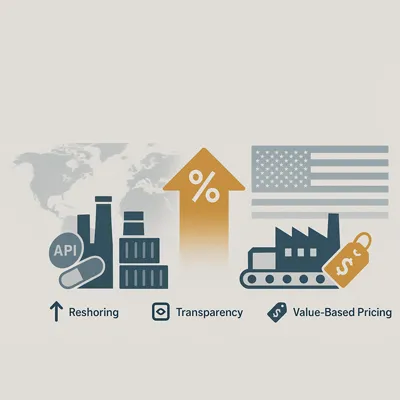
The United States pharmaceutical sector is experiencing one of the most dramatic changes of the recent decades. As new U.S. drug pricing reforms in 2025 and changing pharmaceutical tariffs redefine the financial health of Big Pharma, it is being transformed. Policies to lower the cost of medicine to patients are directly confronting profit models, and global trade pressures are straining supply chains.
The stakes are high to the companies, investors, policymakers, and even the patients. The key to the future of healthcare in America is to understand how drug pricing reforms and tariff changes impact revenue, affordability, and innovation.
What Is U.S. Drug Pricing Reform?
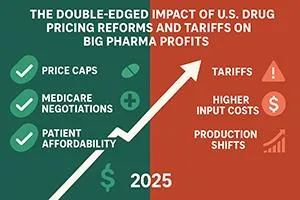
The pricing of drugs has been a contentious problem in the United States. American patients are likely to spend more money on basic medicines compared to other developed countries. The changes that have been implemented in the federal healthcare policy in 2025 are establishing new regulations to pharmaceutical companies:
- Medicare drug negotiations: Medicare has authority to negotiate high-cost drug prices for the first time.
- Price caps: The annual increase in the cost of drugs is now restricted, pegged to the inflation rates.
- Transparency regulations: Pharma companies should explain massive price increases.
These drug pricing policies in USA are aimed at reducing the cost to patients and making healthcare more affordable. Nonetheless, in 2025, they symbolize less flexibility in price-setting and slower revenue growth to the big pharma profits.
What Are Pharmaceutical Tariffs, and Why Do They Matter?

Although pricing reforms are in the news, there is another unspoken disrupter of the pharmaceutical scene—tariffs on medicines and raw materials.
Global supply chains are very important to pharmaceutical companies. Active pharmaceutical ingredients (APIs) and finished drugs that are key are usually manufactured in manufacturing centers such as China and India. The U.S. trade policy has also introduced pharmaceutical tariffs on certain imports in 2025 as a way of promoting the production of goods domestically.
Why does this matter?
- High prices: Tariffs on imports increase the prices of raw materials.
- Production adjustments: Firms are reconsidering supply chains and looking at reshoring.
- Competitive disadvantage: Companies that are unable to adapt quickly can lose market share.
What is the Effect of Drug Pricing and Tariffs on Big Pharma Profits?
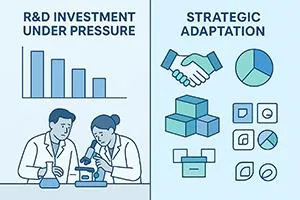
The combined effect of drug pricing reforms and tariffs is a double-edged sword for Big Pharma.
- Profit Margins Decreasing: Pharma profit margins are declining in 2025 as price caps become even stricter and the cost of imports increases.
- R&D Budgets at Risk: Reduced revenues may restrict investment in research & development and innovation of new drugs.
- Global Supply Chain Disruptions: Tariffs make sourcing more difficult, which makes logistics more expensive.
- Pressure on Generics: Generic drug manufacturers are sensitive to price and are among the most impacted.
In spite of these, there are companies that are adjusting to these changes through product portfolio diversification, local manufacturing investments, and strategic alliances.
The Impact of Tariffs on Pharmaceutical Manufacturing
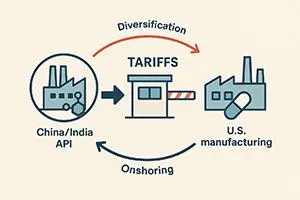
While the IRA tackles revenue, tariffs tackle costs. The modern pharma supply chain is incredibly globalized. A vast majority of the generic drugs consumed in the U.S., and the APIs for many brand-name drugs, are sourced from China and India.
New tariffs on Chinese imports directly increase the cost of these raw materials. Companies are faced with a difficult choice:
- Absorb the Cost: The additional cost is absorbed and patients and pharmacies are not directly subjected to an immediate price increase but the profit margins of the pharma are directly squeezed.
- Pass through the Cost: Increasing the wholesale price of the end drug product to cover the tariff cost may be met with opposition by politicians, payers and patients and negatively affect the sales volume.
This has increased the trend of “onshoring” or “friend-shoring”—returning production to the U.S. or to other countries that are allied. The construction of new manufacturing plants is, however, a capital-intensive exercise that requires years to be completed and is thus a long-term solution to the immediate pharmaceutical tariff effect on balance sheets in 2025.
What Are the Long-Term Implications for Pharmaceuticals?
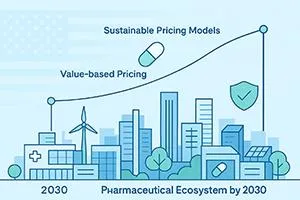
The pharmaceutical industry in 2025-2030 will undergo certain fundamental changes:
- Global Competitiveness: U.S. companies will probably lose to European and Asian companies that will have reduced tariff barriers.
- Reshoring Manufacturing: Pharma is investing in production plants in the U.S. as a way of mitigating the risk of tariffs.
- Sustainable Pricing Models: Firms are coming up with new approaches that would strike a balance between affordability and profitability.
- Policy-Based Expansion: Healthcare reforms will remain one of the features of the industry. Patient Risk and Benefit Probabilities.
Potential Risks and Benefits for Patients

Potential Benefits:
- Reduced Out-of-Pocket Costs: The fundamental objective of the IRA is to reduce the drug expenses of seniors, which seems to fulfill its objective of negotiated drugs.
- Transition to High-Value Innovation: In case the companies concentrate on real breakthroughs, patients might experience more groundbreaking medicines to the diseases, which now have fewer treatment choices.
Potential Risks:
- Pipeline Narrowing: It is a legitimate fear that pharmaceutical firms may not invest in research in significant but less lucrative fields, like new antibiotics or generic drugs, and may cause shortages.
- Delayed Access: The high attention to blockbuster novel drugs may be at the cost of creating new formulations or better delivery systems to the current vital medications.
- Initial Price Hikes: To offset losses elsewhere, companies might launch new drugs at even higher price points, creating a two-tier system of incredibly expensive novel drugs and cheaper, negotiated older ones.
Conclusion
The drug pricing reforms in the U.S. and pharmaceutical tariffs are transforming the business environment of big pharma in 2025. Although patients might enjoy lower-cost medicines, companies are experiencing reduced margins, increased expenses, and regulatory challenges.
The future of U.S. pharma profits will be based on flexibility, be it reshoring production, adopting new pricing models, or investing in innovation despite financial strain. This much is evident: the coming five years will be a decade that will be marked by the pharmaceutical industry in America, where policy and trade will define the future as much as science and innovation.
FAQs
Q1. What are the impacts of U.S. tariffs on drug prices?
Tariffs make imported raw materials and finished drugs more expensive and this increases the cost of production by the pharmaceutical companies.
Q2. Why is drug pricing reform happening in 2025?
The reforms will be directed to decrease high patient expenses and enhance healthcare affordability in the U.S.
Q3. Will the reforms in drug pricing lower patient costs?
There will be reduced out-of-pocket expenses to the patients, but the long-term effects on drug supply are uncertain.
Q4. What is the response of pharmaceutical companies to tariffs?
Companies are reshoring production, re-negotiating agreements and seeking alternative trade relationships.
Q5. What is the future of big pharma profits in the U.S.?
Short-term profits can be squeezed, but long-term growth can be developed through strategic adjustment.