



As the demand for biologics continues to increase, the pressure to limit the production processes has never been high. The companies must ensure accuracy and stability in all stages of production to meet both regulatory standards and patient expectations. The CE has emerged as an important tool in this context, which provides unmatched resolution and efficiency. The ability to analyze complex samples with minimal preparations has quickly made it popular in both upstream and downstream processes, making it an important technique for the modern biopharmaceutical industry.
The Understanding Capillary Electrophoresis:
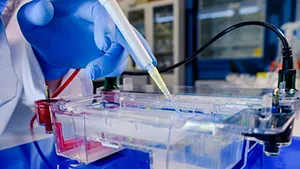
(CE) is a sophisticated method used to analyze and separate a wide range of compounds including proteins, peptides and nucleic acids. By applying an electric field in a capillary pipe filled with a conductive buffer, molecules in the sample at different speeds depending on the size and charging. This leads to accurate separation, which allows detailed analysis of the composition at different points with capillary.
Why CE Biopharma is Ideal for Monitoring:
CE is a preferred technique in biopharmaceuticals substances due to its high resolution and sensitivity. This is distinguished by analyzing complex biological samples with minimal sample preparation, making it an excellent choice to monitor the quality of biopharmaceuticals substances. It is especially important to evaluate therapeutic proteins, detect impurities and check important functions such as charging variants or factors for modification modifications, which are important to ensure stability and safety for biological products. In addition, the speed and efficiency CE is invaluable for real-time monitoring, and strengthens rapid decisions during both upstream and downstream processes.
Application under Upstream Biopharmaceutical Process Monitoring:
In the upstream phase of biopharmaceutical production where living cells are nourished to produce therapeutic proteins, it is necessary to maintain close control over conditions. Capillary electrophoresis (CE) has proven to be an important technology in this region, providing detailed insights in time that helps adapt to biological productivity and ensure frequent results.
One of the great forces of CE lies in its ability to monitor the structure of cell culture media. By profile amino acids, sugar, vitamins and other nutrients, the CE teams allow the CE teams to track the optimal cell health and production to track consumption trends and tailor-made feeding regimes. This not only improves efficiency, but also helps to avoid metabolic stress that can lead to low yields or converted protein properties.
Another important use of CE is to detect products in metabolism such as lactate and ammonia substances that can calmly deposit and derail cell performance. By capturing these changes quickly, the CE-Proactive process supports adjustment that protects the quality of the product and reduces the risk of variability.
It is important that CE can also identify remaining host cell proteins and genetic material at an early stage. These impurities, if not uncontrolled, can compromise safety and product integrity. The first identity helps to ensure that they are addressed before entering downstream cleaning, strengthening regulatory compliance and exit to the production pipeline.
When the second process is integrated with Process Analytical Technology (PAT) tool and applied within a Quality by Design (QBD) approach, CE is only exceeded an analytical tool it becomes a strategic enabler. Its role in upstream monitoring of the larger control, reduces the batch failure rate and translates into the patients' more reliable distribution of high-quality biology.
Application under Downstream Biopharmaceutical Process Monitoring:
Downstream processing marks the final stretch of biopharmaceutical production where cleaning and fractions determine whether a drug is actually clear to patients. At this stage, it's not just maintaining purity, strength and stability this is a regulator requirement. It plays a key role in doing so.
CE provides extraordinary accuracy for monitoring cleaning. It helps to detect and determine remaining impurities such as host cell proteins, DNA pieces and other track pollutants that can compromise the quality of the product if removed properly. The strength lies in its ability to distinguish between strong molecular variants such as charging variants and glycosylation forms grace for detailed properties of complex therapeutic proteins. This is especially important for monoclonal antibodies, where microscopic differences can also change the safety profile or therapeutic effect of the drug.

During development, CE is just as useful. This allows researchers to test the structural integrity and stability of biology under different storage conditions and workflows. This ensures that the final product remains effective and safe on the intended durability. CE also helps to verify exemption material and help detect the declining products on critical for the approval of batch and regulatory submissions.
In quality control laboratories, CE’s shines efficiency. Its sharp, reproductive results streamline regular testing and support workflows with high throughput. When biopharmaceutical companies increase production, CE's compatibility with automation creates an attractive option to reduce manual defects while maintaining analytical stiffness.
Overall, CE supports a more strong downstream process. This product strengthens the insight, accelerates the control of quality parameters, and eventually helps manufacturers provide safe, more reliable biological medicines to those who need the most.
The Benefits of Using Capillary Electrophoresis (CE)
Capillary Electrophoresis (CE) provides a number of benefits for biopharmaceutical analysis, which is a technique for today's quality-driven laboratories. The main subjects of these are its remarkable resolution, rapid treatment time and minimum performance all are necessary to speed up decisions in the production environment.
In the nucleus, CE separates molecules with the ratio of charging and size, so that it can distinguish between very similar biomolecule with striking clarity. This level of extension is invaluable when evaluating complex biology, such as monoclonal antibodies, detecting the subtle differences can mean the difference between a safe drug and a problematic.
Compared to traditional methods such as high-performance liquid chromatography (HPLC), CE provides clear advantage. This requires small selection versions and uses a low solvent, and is translated into low costs and a light environmental footprint. While HPLC continues to act as a reliable standard, CE increases the sensitivity to detect areas with charging variants and changes after translation where traditional techniques can subside.
CE is also very adaptable. It can analyse a wide range of biopharmaceutical samples. Proteins, peptides, nucleic acids, glycans often without requirements for long-term cleaning steps. This versatility makes it a powerful tool throughout the product's life cycle, from upstream monitoring to the final quality control.
Ultimately, CE quickly supports green areas and more accurate biopharma workflows. As regulatory expectations are tightened and the innovation is intensified, provides the opportunity to rely on a technique that is both strong and flexible, the manufacturers a significant advantage in bringing high-quality safe treatments for patients.
Challenges and Future Instructions for Capillary Electrophoresis (CE)
While the Capillary Electrophoresis (CE) has proven a valuable tool in biopharmaceutical analysis, it is not particularly without the obstacles, especially when biologically applies to the complications of production.
One of the more important boundaries is sensitivity. Although CE is excellent for many applications, detection of ultra-cum levels of impurities in thin samples can be a challenge. Improvement as a link with advanced detectors or mass spectrometry is often necessary to meet the strict requirements for regulatory bodies. In addition, developing strong CE methods can be time-consuming and specially charged special information for complex biological products.
Matrix intervention is another concern. The complex structure of biological samples can affect the insulation performance and affect the accuracy of the results. In addition, compared to more attractive methods such as high-performance liquid chromatography (HPLC), CE has so far achieved a level of standardisation and confidence in the GMP-regulated environment. This has limited the widespread growth in some industrial surroundings.
Researchers are actively working to increase CE's abilities. Improvement, such as laser-induced fluorescence detection and more stable capillary coating, can analyse CE’s, and help pursue the limits. The new buffer systems and alternative separation mode are also wider of the versatility of the platform.
A particularly exciting development CE is integrated into automatic and probable surveillance systems. When a procedure is used in Process Analytical Technology (pat) frameworks, CE can provide continuous, in-line insight into significant quality properties. This real-time capacity supports the driving force against more intelligent production under the principles of Industry 4.0 improvements stagnation, reduces errors and sharp reaction time.
In short, while CE still has technical challenges to remove, the development is actively shaped by innovation. With the right investment and continuous research, CE is well placed well to become a mainstay in the development and construction of biopharmaceuticals substances in tomorrow, only supports efficiency and compliance, but the most important patient safety.