
Nucleic acid drugs (NADs) is a new class of gene therapy designed to modify genetic material for disease treatment. They provide long-term effects through gene repression, replacement or editing. Promising, their clinical application is limited by stability problems, immune reactions and distribution challenges.
To improve efficiency, researchers focus on structural modifications and advanced distribution systems to increase cellular recording and bioavailability. Lipid nanoparticles (LNP), cationic polymers and ligand-based carriers have shown capacity, although challenges such as non-specific distribution and disabled intracellular delivery remain.
This article examines NAD channel, classification, distribution strategies and clinical applications, which highlight major challenges and potential solutions for future development.
Concept and Historical Development of Nucleic Acid Drugs (NADs)
The development of nucleic acid drugs (NADs) comes from large discoveries in molecular biology. The Friedrich identified nucleic acid in 1869 and laid the foundation, and his role in genetic information transfer was clear only after the discovery of the DNA’s double-helix structure.

In Progress in RNA research, which includes hybridization and RNA interference (RNAi), developed RNA-based treatments such as siRNA and antisense oligonucleotides (ASOs). Chemical modifications and better distribution systems improved their stability and efficiency, enabling the first SiRNA drug approval in 2018.
The introduction of In Vitro transcription and pseudouridine change in mRNA technology paved the way for mRNA-based treatments, with mRNA vaccines for COVID-19 during the epidemic. Meanwhile, CRISPR/Cas9 gene editing technology has revolutionized NADs, enabling accurate genetic changes, with recently approved CRISPR-based medicine.
Classification and Mechanisms of Nucleic Acid Drugs (NADs)
These can be classified into three main types based on their behavior:
- The first consists of NADs that regulate protein expressions by interacting with nucleic acids. The following are antisense oligonucleotides (ASOs), small interfering RNAs(siRNAs), microRNAs (miRNAs), small activating RNAs (saRNAs), and CRISPR/Cas gene-editing systems, includes for modifies gene expression.
- The second is aimed at protein, where aptamers are an important example. These small nucleic acid sequences are specially linked to proteins and act as antibodies to affect biological functions.
- The third includes NADs that facilitate protein production, such as in vitro-transcribed mRNA, which allows cells to generate specific proteins for medical purposes. Many of these approaches are implemented in clinical agents.
Nucleic Acid Drugs Targeting Nucleic Acids:
1. ASOs
Synthetic single-stranded nucleic acid sequences that bind RNA through complementary base coupling. Their main mechanisms include RNA degradation and steric blockage.
Some ASOs activity, which breaks the target messenger RNA (mRNA) and reduces protein production. This approach has been used in approved medicines such as fomivirsen, inotersen, and volanesorsen. It can also target non-coding RNA, offering potential treatment for diseases without clear protein goals.
Other ASOs work to prevent binding and important cellular processes for RNA. For example, some pre-mRNA splashes, modifying protein production. For example, the Golodirsen is used to treat the Duchenne muscular dystrophy by enabling exon jumps. In addition, ASOs can block the initiation of translation by targeting the introductory codon to the specific mRNA, and further expand medical applications.
2. siRNA
siRNA is a double-stranded RNA molecules that silence the gene by blocking mRNA translations through RNA-induced silencing complex (RISC). Progress in carriers and nucleic acid modifications have improved stability and distribution. The first approved siRNA drug, patisiran, hereditary transthyretin-mediated amyloidosis. More siRNA therapy is expected soon.
3. miRNA
miRNA is non-coding RNAs found in eukaryotic organisms that regulate gene expression and affect biological processes, including cell growth and progression of the disease. They work by committing themselves to targeting mRNA, whether the genes calm or regulate expression. Although no miRNA medicines have yet been approved, the ongoing research examines their ability to treat various diseases.
4. saRNA
saRNA is a small double-stranded RNA that improves gene expression by binding the promoting sequences and activating transcription. It plays a role in regulating different genes and has capacity in targeted treatments. While clinical translation is challenging, saRNA-based medications, such as MTL-CEBPA and RAG-01, become discovered for cancer and other diseases.
5. CRISPR/Cas9 system
The CRISPR/Cas9 system is a widely used gene editing technique that enables accurate genetic changes through insertion, deletion or mutation. This targeted DNA is driven by making a double-strand breaks, which is repaired to introduce genetic changes. When treating conditions such as blood disorders and genetic diseases, effective, delivery efficiency, effects outside the target and toxicity are still challenges. Different distribution methods, including plasmids, mRNA and ribonucleoprotein complex, have each advantages and boundaries. Researchers are looking for nanocarrier-based delivery systems to increase efficiency. In 2023, Exa-Cel (CasgeVy®) became the first CRISPR-based therapy approved for sickle cell disease and transfusion-dependent β-thalassemia.
Current Challenges in NADs Development
It provides a unique advantage of traditional small molecules and antibody-based treatments that direct gene expression directly. This makes them rare, chronic and especially useful to target the deficient gene involved in metabolic diseases. However, their development requires careful choice of correct NAD types based on accurate identification and mechanism of action for their development. For targeted NADs such as ASOs and siRNAs, lead connections should be designed to match the gene sequences accurately, which reduces the effect of the off-target.
The effectiveness of aptamers depends on their sequence and composition, and helps identify candidates with high people with SELEX technology. Similarly, mRNA stability and adaptation of the function are necessary to maximize protein output. Advance in Biotechnology has significantly improved the sequence design by reducing the time and costs at the time and costs at the time of development. Despite this progress, it is still an important challenge and ensures that the NADs reach the target cells effectively to achieve their complete medical ability.
Strategies to Improve NADs
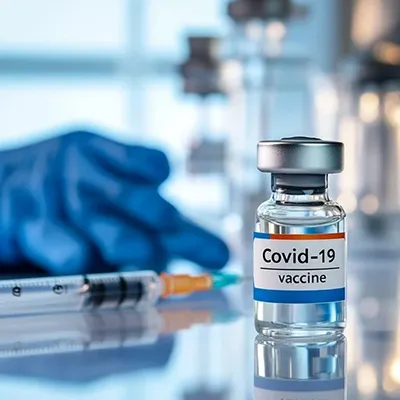
Improvement in drug distribution and increasing patient results are important preferences in nucleic acid drug (NAD) development. Chemical modification techniques and distribution systems have made significant progress, leading to better efficiency and efficiency. Many NADs have benefited from these advances, with several FDA approvals. A remarkable example is the success of COVID-19 vaccines, depending on custom basic modifications and lipid nanoparticle (LNP) delivery system. As a result, research efforts are now focused on developing secure, skilled and targeted distribution strategies to limit nucleic acid modifications and increase the clinical capacity of NAD.
Clinical Applications of NADs
Nucleic acid drug (NADs) has the ability to treat a wide range of diseases by properly targeting genetic sequences. Unlike traditional agents, NADs long-lasting or even therapeutic effects due to its unique biological and chemical properties. Many have come from research to clinical studies, many are already approved for use. Different types of NADs including antisense oligonucleotides (ASOs), aptamers, small interfering RNAs (siRNAs), and mRNA vaccines are used to treat rare genetic conditions, cancer, eye diseases, cardiovascular disorders and infections.
Future Outlook for NAD Development


Despite promising pregnancy results, only a limited number of NAD has received the FDA approval for clinical use. The complexity of nucleic acid including their various structures, sizes and mechanisms of action has made their development a challenging process. For successful design and application, many factors should be carefully considered, including Sequence Optimization, structural modifications, efficient delivery, clinical viability, and large-scale production.
1. Sequence Optimization
NADs is usually designed based on genetic sequences related to the disease. Advanced calculation techniques, including AI-operated models, have improved the accuracy and efficiency of sequence design and screening significantly. This development has facilitated individual agents for individual patients. In addition, it is necessary to obtain patents for important changes in goal sequences in order to maintain competitive advantage in NAD research and development.
2. Structural Modifications and Delivery Strategies
The successful application of NADs depends on their ability to access the target site and give the intended medical effects.
Different NAD types require specific distribution strategies. For example, antisense oligonucleotides (ASOs) often do not require carriers, but depend on chemical modifications such as phosphorothioate (PS) and 2 'status changes to improve stability.
It is necessary to understand the interaction between nucleic acid and their distribution systems to improve the stability and efficiency of the drug. Simple modification approach may not be enough to remove physical obstacles. However, it increases to integrate many carriers and functional ligands technical challenges and production costs, which requires further innovation in the area.
3. Clinical Application
- Security challenges: Ensuring the safety of NADS continues to be an important challenge due to potential immunogenicity and toxicity from carriers and chemical modifications. Some distribution systems have been linked to kidney poisoning and inflammation, and require careful evaluation for clinical use.
- Pharmacokinetics and Side Effects: The structure, formulation and administration of NAD affects their absorption, metabolism and safety. Some, like ASOs, can cause liver or kidney toxicity due to drug accumulation. Progress in analytical techniques improves the surveillance of the drug, but more data is necessary for clinical translation.
4. Expand Disease Applications
NADs is very specific, which makes them ideal for personal treatment. While mainly approved for genetic disorders, the use of chronic diseases and infections is expanded. Therapy as CasgeVy® shows the promise, but high costs and complex applications are still challenges.
5. Mass production
Production NADs requires precise sequence design, modifications and distribution systems. Efficient production and strict quality control are required for extensive clinical adoption. Industry cooperation can operate innovation and improve scalability.
Conclusion:
The development of nucleic acid drug (NADS) has moved much further, which led to practical clinical applications from theoretical research. Progress in the pharmaceutical system, chemical modifications and distribution technologies have played an important role in this infection. These challenges in ensuring their widespread clinical use. A combination of targeted nucleic acid molecules with special changes and effective distribution systems can be important to enable individual agents and address unrelated medical requirements.