
A Brief History on Biosimilars
The first biosimilar was approved in Europe in 2006, followed by the first biosimilar approval in the United States in 2015. This occurred amid active debate over whether different sponsors could successfully develop subsequent versions of these complex medicines that assured the same clinical outcomes for patients. Biologics vary in complexity and are generally more difficult to manufacture than small-molecule drugs because they are produced in living cells. However, the clear importance of biopharmaceuticals in healthcare, increased sensitivity of analytical and functional methods available to the biotech industry, and more efficient manufacturing processes across industries led to a mind set of “let them try” as long as strict criteria where met. The reasoning was that the overarching requirements would be set by statute, while regulators would have the flexibility to implement the new regulatory pathway using the latest scientific advances to ensure biosimilars are highly similar to their reference products and deliver equivalent clinical outcomes for patients.
The prior success of the generic pathways drove hopes and expectations for biosimilars. Today, generic drugs account for 90% of prescriptions in the US, generating substantial cost savings for patients and the healthcare system. Indeed, without generic drugs, vastly fewer patients would have access to these critical medicines.
While the adoption of generic drugs varies across countries, similar efforts to improve the affordability and accessibility of biopharmaceuticals are now underway around the world. International norms and standards can be applied, together with established regulatory science, to support the development of biosimilars. If affordable access was a concern in the US and the EU, it was an even more compelling driver of market-based competition in emerging markets.
Where Are We Now?
Markets with early access to reference biologics, such as the EU and the US, establish treatment expectations earlier and subsequently adopt biosimilars more rapidly, as the economic incentives are more apparent to all stakeholders. This makes sense, given that regulators have the greatest experience overseeing their development and supply and physicians have extensive experience handling and prescribing these complex molecules.
With more than 160 biosimilars approved in Europe and nearly 90 in the US, biosimilars have clearly proven to be feasible. Globally, biosimilars have been used for billions of days of patient care, and post-marketing surveillance studies have confirmed safety profiles comparable to those of their reference biologics, with no meaningful changes in clinical outcomes. This is hardly surprising, given the significant investments in their development and the reassuring track record of the regulatory science underpinning biologics more broadly.
Consequently, biosimilar medicines have become a core component of an effective healthcare system. Biosimilars are shifting from high-growth newcomers to established players supported by continued acceptance of the principles of interchangeability and the value biosimilars provide within the system. But their adoption remains slow compared to generics and their market share is often considerably smaller.
In the US, a growing proportion of the FDA-approved biosimilars are being launched. Amongst the molecules where they compete, the average market share has continued to increase while prices have fallen substantially after biosimilar entry. $56 billion has been saved in the US since the first biosimilar entry, with annual savings reaching approximately $20 billion recently.
Based on the current snapshot of the biosimilar market, the market seems to be thriving but the future may not be as bright as it seems. The clearest threat is that biosimilar development is stalling. 90% of biologics facing loss of exclusivity (LoE) within the next decade (2025-2034) have no biosimilar in development. This should raise the alarm because this so-called biosimilar void represents a growing gap between the number of biologics in the market and the number of biosimilars that will become available to compete with them. Without biosimilar competition, patients will likely miss out the opportunity for lower cost, more access to biologic medicines. And the next generation of originator biologics cannot be afforded without the savings generated through competition for biologics we have today.
Growing Regulatory Confidence in More Efficient Development
For many years, the FDA has been consistent in its approach to biosimilars—using regulatory science to accelerate biosimilar development and thereby facilitate patient access to more affordable treatment options. The FDA’s thinking uses their historical leadership on comparability, which existed from pre-biosimilar era. It uses the same scientific principles, extensive structural and functional comparisons with a reference product, that have long been applied globally to demonstrate that manufacturing changes to a biologic do not adversely affect its safety or efficacy. The recent updates to two FDA guidance (Scientific Considerations in Demonstrating Biosimilarity to a Reference Product: Updated Recommendations for Assessing the Need for Comparative Efficacy Studies and New and Revised Draft Q&As on Biosimilar Development and the BPCI Act (Revision 4)) reflect regulatory efficiency that the FDA is driving for, and that drive will continue to be pursued because the problem—the rising cost of medicines and increasing burden on the healthcare expenditure is not going away without their leadership.
The FDA guidelines make clear that analytical and functional studies provide stronger evidence of biosimilarity than large comparative clinical efficacy studies (CES), and the EMA has shown that Phase 3 clinical studies do not contribute to regulatory decision-making. Analytical and functional studies are the fundamental basis for biosimilarity which is being formalized in the new ICH M18 guideline: Framework for Determining the Utility of Comparative Efficacy Studies in Biosimilar Development Programs. The FDA also recognizes that eliminating CES may allow sponsors to develop more biosimilars more efficiently, and to more reference biologics. This can help address the biosimilar void as more biosimilars become commercially viable with lower development costs and shorter timelines.
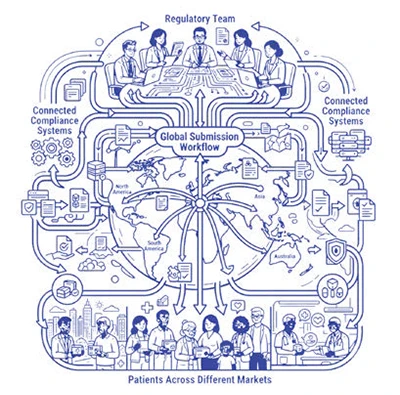
While the FDA is continuing to work on streamlining the regulatory pathway for biosimilars in the US, a lot of the work requires collaboration across jurisdictions. Biologics, including biosimilars, face a multitude of regulatory challenges, and the biggest issue becomes their being treated inconsistently with each other, by different regulators across different healthcare systems and commercial markets. Ultimately, no patient can access a product if it is not approved for use in their country and if their healthcare system does not support access. The science is largely asked and answered and is the same worldwide, but regulatory, legal, and economic factors differ by country. For streamlined biosimilar development to meaningfully change patients’ lives, we need harmonization between global regulators and sponsors, including:
• Elimination of unnecessary CES with the associated regulatory certainty of no last-minute requests
• Regulatory convergence (EU Term) / harmonization (US term) to enable one data set to be used across multiple jurisdictions, with no repeats in specific studies, when the reference product is known to be the same. This may include public information from regulators’ websites, such as the FDA and the EMA, that shows that the reference products themselves were approved based on the same pivotal clinical studies.
• Regulatory reliance, from work-sharing to mutual recognition, to enable, for example, previous reviewer evaluations to contribute to more timely approvals.
Collective stakeholder efforts towards harmonized global development are making significant progress. The most significant and most recent is the aforementioned ICH M18. This FDA-led effort is one of the most important global harmonization initiatives for biosimilars, aiming to establish a common scientific framework for determining if and when CES are needed. It will reduce regional differences in regulatory expectations and enable more globally aligned development programs.
Ultimately, the Market Will Decide
Biosimilars can be made efficiently, but they will always cost more to develop and manufacture than generic drugs. Even generic drugs struggle to survive with race-to-the-bottom pricing pressures, so it is unreasonable to expect a price-only approach to support biosimilars. The biosimilar void, which extends beyond blockbuster biologics, suggests that market dynamics are playing a significant role in shaping biosimilar development pipelines.
Even in the US, the biggest biologics market in the world, the commercial space remains a major challenge for biosimilars. The prices are too low and biosimilars are underutilized across many therapeutic categories and do not get proportionate market share. For branded medicines, less than 50% of the list price goes to the manufacturer, and for biosimilars which have vastly lower list prices, it is less than 10%. Complex reimbursement systems have skewed incentives that can actually encourage the use of the most expensive product. In many cases, decision-makers are incentivized to choose higher-priced medicines, which means there is less motivation to use lower-cost biosimilars. All of these convoluted attributes of the healthcare system end up denying patients optimal access to these marvelous medicines. And that in turn impacts innovation and availability of the next generation of originator products as there is no room in the healthcare dollar to pay for them.
Across Europe, biosimilar uptake is generally strong, but some markets have become unsustainable due to single-winner, price-only tenders. Moving toward sustainable procurement practices—including multi-winner tenders with meaningful evaluation criteria beyond price, such as security of supply, patient support services, and environmental standards—alongside exempting biosimilars from claw-back mechanisms, is essential to improving the long-term sustainability of the biosimilar market and encouraging continued investment in biosimilars.
Achieving a balance between regulatory efficiency and commercial viability is crucial, as cost savings from the regulatory side may not always translate to actual cost reductions for patients and the healthcare system. A good starting point is greater transparency to encourage the use of the most cost-effective medicines, while ensuring that biosimilars remain affordable for patients, thereby improving access. If patients in relatively wealthy countries do not have access to biosimilars, they are even less likely to become available in emerging markets—at least not as quality-assured, safe and effective products manufactured to global standards.
Closing the Biosimilar Void Through Regulatory Harmonization
A more efficient, globally aligned dossier supported by a single development dataset can reduce duplication across regulatory submissions, lower development costs, and shorten time to approval. This enables sponsors to invest in more biosimilar programs and bring them to multiple markets worldwide sooner, ideally concurrently, ultimately expanding patient access.
However, we need a fair and balance commercial market to incentivize their development. Affordable products that are quality-assured, safe and effective, as evaluated and approved by the same regulatory authorities, deserve market share through proactive demand-side policies when they provide the same clinical outcomes at a lower price.
And this matters to the next generation of innovator products too. If there is not enough competition from biosimilars, the viability of the biologics market overall will decline. Lack of competition precludes access to the latest reference biologics because the older biologics will continue to consume available funds. The virtuous cycle becomes stalled and patients suffer unnecessarily. We have all the pieces of the puzzle—the data, evidence, and experience—and it is overdue time to put them together to create the regulatory certainty necessary for continued development of quality-assured, safe and effective biosimilars, so that they can continue to generate savings for innovations in the next generation of improved medicines, including biosimilars and biologics.
References:
[1] European Medicines Agency. Biosimilar Medicines: Overview.
[2] U.S. Food and Drug Administration. Biosimilar Product Information.
[3] Congress.gov. H.R. 3605 – Drug Price Competition and Patent Term Restoration Act of 1984.
[4] Association for Accessible Medicines. 2025 U.S. Generic & Biosimilar Medicines Savings Report.
[5] European Medicines Agency. Human Medicines in 2025.
[6] U.S. Food and Drug Administration. Biosimilar Product Information.
[7] Samsung Bioepis. Third Quarter 2026 Biosimilar Market Report.
[8] HHS.gov. Fact Sheet: Bringing Lower-Cost Biosimilar Drugs to American Patients.
[9] IQVIA. Assessing the Biosimilar Void in the U.S.
[10] U.S. Food and Drug Administration. Scientific Considerations in Demonstrating Biosimilarity to a Reference Product: Updated Recommendations for Assessing the Need for Comparative Efficacy Studies.
[11] U.S. Food and Drug Administration. New and Revised Draft Q&As on Biosimilar Development and the BPCI Act (Revision 4).
[12] Kirsch-Stefan N, et al. Do the Outcomes of Clinical Efficacy Trials Matter in Regulatory Decision-Making for Biosimilars? BioDrugs. November 2023. doi:10.1007/s40259-023-00631-4.
[13] U.S. Food and Drug Administration. Virtual Workshop: Increasing the Efficiency of Biosimilar Development Programs—Reevaluating the Need for Comparative Clinical Efficacy Studies. September 12–13, 2023.
[14] A ‘Global Reference’ Comparator for Biosimilar Development. BioDrugs. May 2017.
[15] International Council for Harmonisation of Technical Requirements for Pharmaceuticals for Human Use (ICH). M18: Framework for Determining the Utility of Comparative Efficacy Studies in Biosimilar Development Programs.
Read the full article — it's free
Register with Pharma Focus America to unlock expert insights, research articles and in-depth industry analysis.