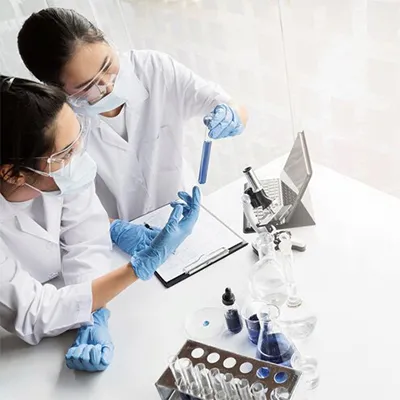
The pharmaceutical R&D are necessary to provide new treatment to patients. However, the current R&D model faces increasing stress. The development of the drug has become more difficult, the costs continue to increase, and the process still takes a long time. In many cases, companies use old systems that do not meet today's needs.
With increasing health requirements and strong global competition, small changes are no longer enough. A more complete and structured change is required to improve efficiency, reduce delays and bring safe, effective medicines to the market.
This article sees the main reasons why pharma R&D must be replaced. It investigates general problems in today's practice and suggests that more use of technology, better teamwork and more flexible methods can help the industry grow and improve the health of the health care system.
Challenges in the Current R&D Landscape
Pharmaceutical companies face many difficulties in their research and development efforts with progress in science and technology. One of the biggest problems is the high failure of drug candidates. Many compounds do not manage in the initial stages, which loses time and increases costs.
The overall development process is also slow and animals. Bringing a new medicine to the market can take more than ten years. Most of the work is still done manually, which has limited communication between frequent functions and teams. It becomes difficult to function quickly when immediate health is needed.
Digital tools and computer systems are not fully used in many R&D settings. Information is often kept in separate systems that do not go together, quickly, reduce informed decision-making ability during the development process.
At the same time, government requirements become more detailed and demanding. Although this security is important to ensure, they can cause more delays if they are not well controlled. Together, these problems show more connected, updated, updated and effective ways to work in Pharma R&D.
Possibility of R&D Change
Although pharmaceutical R&D is facing many difficulties, they also provide opportunities for meaningful changes. With the increase of new technologies, companies can now improve how they work, cut costs and distribute medicines faster.
Digital tools such as artificial intelligence and machine learning are becoming more common. These can support quick data analysis, first can help identify strong drug candidates and improve predictions about the performance of medication. Using such units in the first stages of development can reduce delays and limit the risk.
Flexible methods for working, already used in other areas, may also benefit clinical research. For example, adaptive testing of design, external data collection and real-world evidence can help speed up studies and improve the results.
Shooting techniques and shared computer systems also allow better coordination. When the information flows easily between the departments, the teams can make quick decisions and work in more detail in different places. This can reduce repetition and help bring treatment in the market in no time.
By using these opportunities, pharmaceutical companies can go toward more streamlined, modern and flexible R&D processes that are better favorable for current and future needs.
To Build a More Flexible and Future Clear R&D Model
In order to respond to the growing needs of the health care system, the pharmaceutical R&D must be stiff, more adaptable to linear processes and switch to the approach to further thinking. A modern R&D framework should focus on integration, speed and flexibility.
An important step is to improve cooperation in departments. Research, regulatory, clinical and commercial teams must participate from the beginning. A more connected approach helps to reduce repetition, improves communication and leads to faster, more informed decisions.
The use of digital systems at all stages of R&D is also important. Tools such as sharing real-time data, automated systems and future indication of analysis can reduce manual work and help teams react quickly to new growth or change in the requirements.
Working with external partners as educational institutions, technology companies and industry partners can also provide new expertise and resources. This participation supports innovation and helps to handle costs by improving the possibility of success.
Creating a flexible model means encouraging the culture of continuous improvement. This involves providing training in digital tools, supporting flexible methods and helping the teams ready for changes in the fast-moving industry.
Strategic Importance of R&D Transformation:
Updating pharmaceutical R&D processes is not just about improving internal operations it also helps in wider goals for the health care system and business. The low-growth timeline provides rapid access to treatment, especially during health crises or for conditions with some existing alternatives.

The more efficient system can also reduce growth costs, which supports the long-term stability of R&D efforts. Since healthcare budgets face increasing pressure, it is necessary to control the costs of companies to remain competitive for patients and health professionals.
Modern R&D practices also encourage better global cooperation. With larger boundary-cross-border projects and partnerships, the use of shared platforms and standard units can help teams work smoother and reach international markets quickly.
Overall, the change of R&D is more flexible, patient-centered and innovation-led industry supports that can keep up with changed medical requirements.
Culture and Leadership Role in Driving Change:
Technology alone cannot bring a complete change in R&D. Leadership and organizational culture play an important role in supporting successful changes. Many modernization efforts are facing limiting digital skills, lack of understanding or changing the established routine.

Leaders are central to shaping direction and building a culture that encourages innovation. Promoting open communication, investing in training programs and supporting Collaboration between departments can help teams adjust new methods and equipment.
It is necessary to develop digital skills. R&D professionals require the confidence to use modern platforms, analyze data and implement flexible techniques. Continuous learning and skills development provide teams the necessary flexibility to handle changes effectively.
A clear vision from management is combined with a culture that achieves significance for teamwork and development improves the possibility of success in any R&D change.
Conclusion:
Pharmaceutical R&D enters a period of major changes. Traditional methods, while once effective, now drop the rapidly growing health service from the needs of the environment. High costs, long growth time and low success rates only highlight the limitations of small improvements.
By moving towards more flexible, digital and integrated processes, organizations can improve how they work, cut delays and bring treatment to patients faster. Strong cooperation, better use of real-time data and extensive participation will all play an important role in this change.
Use a modern approach to R&D is now not only necessary to remain competitive, but also to support better health results. A more supple and prepared model will help the industry respond to current challenges and prepare for further people.