

The Shift toward a New Era in Pharma Manufacturing
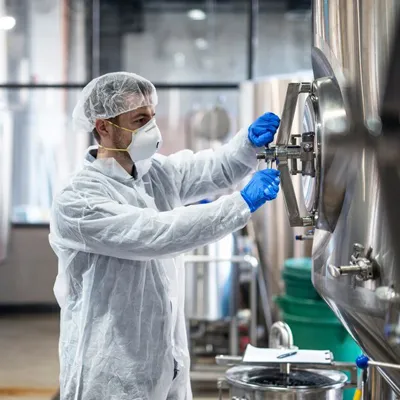
A crucial transformational moment exists in front of the pharmaceutical manufacturing industry. The pharmaceutical production sector maintained past decades of operations involving small-molecule drug production through rigid approaches that delivered poor speed efficiency. The current pharmaceutical production process faces multiple restrictions due to biologics advancements and personal medicine progress and emerging threats from new health emergencies. Synthetic biology alongside artificial intelligence through modern technologies lead the bioprocess revolution to enhance drug manufacturing at lower costs and raise their compatibility. The COVID-19 pandemic created essential capabilities to manufacture advanced treatments globally at high speed because it confirmed this capability as well as its necessity.
What Is Bioprocessing — and Why It Matters
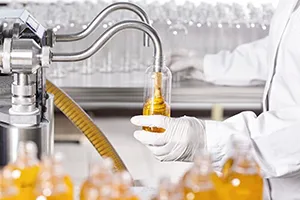
Bioprocessing is the process where therapeutic products originate from processes that make use of living organisms or biological systems as production sources. Bioprocessing supports all aspects of manufacturing biologic products that include monoclonal antibodies as well as vaccines hormones and cell/gene therapies and other large complex molecules. The manufacturing methods are separated into two major segments:
• Upstream processing: This process includes cell line development, media optimization fermentation or cell culture.
• Downstream process: The second phase of bioprocessing consists of Purification while it also involves concentration and the step of formulation followed by filling.
The sensitiveness and variability of the bioprocessing method exceeds traditional chemical synthesis methods though it enables physicians to generate therapeutically effective and targeted treatments.
Organizations view bioprocessing as an essential pharmaceutical innovation driver because biologic products continue to gain popularity in medical markets.
From Batch to Continuous: Transforming the Production Line
Pharmaceutical manufacturing followed batch-based methodology since its inception up until recently where products were made in separate quantities. The procedure demands extensive labor work while it takes significant time and it exposes the process to fluctuations between production batches. Continuous bioprocessing has become the industry direction because it allows automated product monitoring during production runs that continue without interruption.
Benefits include:
• Better product regularity
• Reduced expenses for operation and footprints
• Higher yields
• Reduced production and manufacturing schedules
The pharmaceutical firms Johnson & Johnson and Amgen are actively advancing continuous bio manufacturing technology for the production of biologics. Various regulatory institutions show growing interest in this change since it strengthens worldwide pharmaceutical accessibility.
Synthetic Biology: Reprogramming Life for Drug Production
Scientists employ Synthetic biology tools to create biological products through tedious methods that correspond with computer software programming techniques. Modern scientists have designed an approach to develop DNA sequences for both microbial and cellular entities through automated manufacturing of specific enzymes and proteins without relying on naturally available organisms.
SynBio technology brings three main advantages to pharmaceutical production facilities:
• Faster and cheaper production of complex biologics
• Development of non-natural compounds with therapeutic potential
The establishment of cell factories creates a manufacturing system for pharmaceutical compounds that are difficult to produce by traditional means.
SynBio technology enables quicker pharmaceutical drug development processes for Ginkgo Bioworks as well as Zymergen and Sana Biotechnology. The method allows for modular units to produce drugs on demand when deployment occurs even in distant and resource-poor locations.
The Role of Automation, AI, and Digital Twins in Smart Biomanufacturing
The drug manufacturing sequence experience a complete transformation because of automation and AI technological advancement. The combination of robotics systems with AI platforms allows multidimensional biological information analysis which results in better production and purification of cells alongside quality assay systems.
Key innovations include:
People use digital twins for creating virtual representations of physical bioprocesses because these digital models assist in predicting results before industrial deployment occurs.
The machine learning analysis system lets experts determine optimal fermentation conditions and notice ferments contamination at the same time.
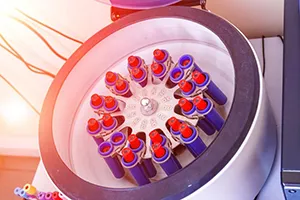
Real-time monitoring: Ensures continuous control of critical quality attributes (CQAs).
The combination of these technologies enables human error reduction and marketplace entry acceleration thus making it possible to implement Quality by Design (QbD) principles set by current regulatory requirements.
Single-Use Systems and Modular Facilities: Speed, Flexibility, and Scale
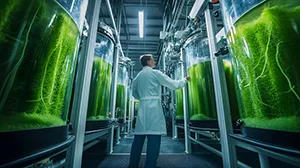
The implementation of single-use technology adoption (SUTs) led to substantial changes in establishing facilities. The manufacturing industry now implements disposable bioreactors and tubing together with filters instead of conducting sterilization procedures on stainless-steel reactors and filters and tubing.
• Cut downtime
• Reduced risk of cross-contamination
• Speed up changeovers between products
Pre-fabricated cleanrooms designed to meet GMP regulations provide manufacturing facilities that allow global business expansion through rapid deployment. Due to company investments such as Cytiva and Lonza and Samsung Biologics the market now enjoys modular and mobile solutions that enhance both flexibility and scaling abilities for bio-pharmaceutical production.
Personalized Medicine and the Demand for Agile Manufacturing
The pharmaceutical industry experiences a complete scale transformation through personalized therapies which include CAR-T and autologous cell therapies and RNA-based treatments. The pharmaceutical industry today requires companies to generate specific and personalized medicines which serve individual patients or limited patient groups because large-scale identical pharmaceutical manufacturing has become impracticable.
This paradigm shift requires: Smaller, flexible production units.
Product completion processes run from patient sample testing through shorter time periods. Quality control procedures for individualized doses operate under exceptional performance levels.
The implementation of agile decentralized manufacturing systems of bioproducts will offer safe biopharmaceutical delivery with short lead times and affordable prices.
Regulatory Innovation: Keeping Up With the Pace of Technology
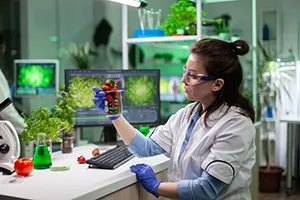
Modern technology outpaces the current regulatory capabilities that exist today. New manufacturing processes gain regulatory approval through risk-based and data-driven systems that exist between the FDA, EMA, and PMDA.
Key initiatives include:
• The FDA together with EMA and PMDA maintain their adoption of Process Analytical Technology (PAT) for live monitoring of essential process parameters.
• Industrial producers utilize QbD Quality by Design as an approach to build product quality directly into their manufacturing platforms instead of performing final testing.
Permitting a contingency planning system with accelerated authorization procedures helps authorities deal with medically urgent requirements through adaptive licensing.
Advancements in technology demand uniform regulations between border nations while developers need to interact with regulators during initial project development stages.
Sustainability and Green Bioprocessing: A New Priority
Pharmaceutical organizations now face raised environmental oversight which has made green bioprocessing steadily more popular. Goals include:
Reducing water and energy consumption
Pharmaceutical companies strive to decrease their production of chemical substances and waste emissions. Companies are adopting renewable feedstocks that include plant-based sugars together with CO₂.
Examples:
• Companies develop APIs through engineered microorganisms of E. coli and yeast which need fewer synthetic steps to generate these compounds.
• Zero-waste fermentation platforms in development for antibiotics and enzymes.
• Organizations now use sustainability as a strategic differentiator because it connects ecological performance to manufacturing excellence.
Challenges Ahead: Talent, Infrastructure, and Standardization
Several issues obstruct the path of promising developments despite recent breakthroughs.
The current workforce lacks sufficient talent who are qualified in bioprocess engineering and digital manufacturing as well as regulatory science. Training personnel and academic cooperation with industry businesses remains a fundamental requirement.
The distribution of biopharmaceutical manufacturing facilities primarily within North America and Europe and East Asia along with developing nations face increased difficulties in accessing these facilities.
Platform and tool adoption slows down because new instruments lack universal standards for equipment together with data and operational processes.
The successful resolution of these difficulties needs joint efforts between academic institutions academia and industrial companies alongside governmental bodies.
Conclusion: The Future of Bioprocessing in Pharma
The bioprocess revolution stands as a fundamental industry transformation for pharmaceutical manufacturing which influences methods of creating medicines and their delivery systems using both synthetic biological advances and AI system automation and continuous processing techniques. These technological advancements simultaneously meet rising needs for customized medicine before they establish better worldwide distribution of lifesaving medications. The future of pharmaceutical practice depends on partnership work between regulators and both academia and industry; this collaboration will develop an innovative ecosystem that answers the healthcare problems in our fast-changing world of medicine.