


Modern therapy is changing rapidly, playing an important role in this round with biological agents. Unlike traditional medicines made of chemicals, biology is complex treatments using living cells. In this they provide more targeted care for serious and long-term diseases, including cancer, autoimmune conditions and rare genetic disorders. However, they also present new challenges, such as high costs, complex rules and limited access to parts of the world.
Innovation in Biological Therapy
Biological therapy has been quite advanced since the approval of the first monoclonal antibody, muromonab-CD3 in 1986. Today, this covers several treatments including monoclonal antibodies (mABs), merger protein, gene therapy and RNA-based treatments. These treatments provide more targeted and accurate treatment options for different diseases from cancer to autoimmune conditions.
Recent Advances
Bispecific Antibodies:
Bispecific Antibodies exciting development in the treatment of cancer. These engineering antibodies are designed to bind two separate antigens at the same time, allowing them to target and direct immune cells directly at tumor sites.
Gene and Cell Therapies:

Gene and cell therapies made significant advances, replacing the treatment landscape for pre-created genetic disorders and blood cancer. Technologies such as CRISPR gene editing and CAR-T-cell therapy are ahead of this revolution. These advances open new opportunities for genetic conditions and cancer treatment that were once limited alternatives.
mRNA Technologies:
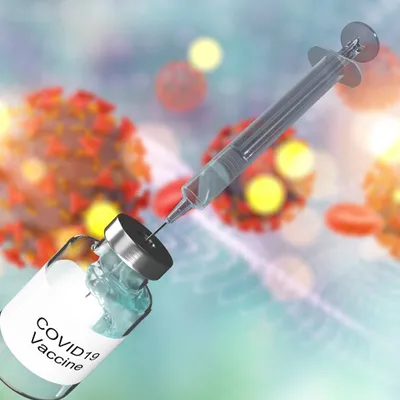
mRNA technology, originally developed for rapid construction of COVID-19 vaccines, is now being discovered for a series of other medical conditions. Researchers examine MRNA platforms for the treatment of cancer, autoimmune diseases and other infectious diseases. MRNA vaccines and therapy cells work by conducting cells to produce proteins that trigger an immune response or correct the problems that cause disease. This technique provides a flexible and scalable approach to develop treatment and vaccines, where in the future we have the ability to revolutionize both infectious and non-infectious diseases.
Efficiency in Medical Fields
Biological therapy has proven to be very effective in the treatment of a wide range of diseases, especially with people with higher medical requirements. These treatments provide significant benefits in various medical fields, providing patients more effective and targeted alternatives.
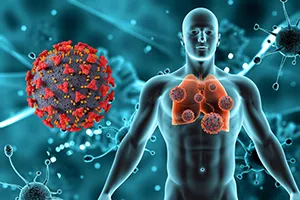
• Autoimmune Disorders: Medicines such as adalimumab and ustekinumab have defined the care standard, giving patients better control over their conditions. These biologics serve to target specific molecules involved in the inflammatory process, reduce the symptoms and prevent progression of the disease. For many patients, biology has made it possible to get exemption or long-term disease control, which improves the quality of life.
• Oncology: This medicines such as pembrolizumab and nivolumab have been shown to improve the results of cancer such as melanoma and non-specific cell lung cancer by stimulating the immune system to identify and attack cancer cells.
• Rare Diseases: The purpose of these treatments is to replace the missing or reduced enzymes or targeted specific routes to address the underlying causes of diseases. For patients with rare diseases, biology provides a very important lifeline, providing the possibility of symptomatic treatment or disease modification. The increasing availability of biology for rare diseases expands the treatment options for patients who had no effective treatment once.
Increasing Tide of Biosimilars
As many high-profile biologists arrive at the end of patent security, biosimilars quickly become an integral part of the global pharmaceutical market. These follow-up versions of the original biological therapy provide comparable effect, safety and quality, but at a fairly low price.
• Market Growth: Biosimilars has increased to represent more than 25% biological recipes in Europe, and their presence in the United States and emerging markets are constantly increasing.
• Regulatory Support: These agencies have introduced more effective routes to biosimillations, designed to encourage and encourage to compete and promote safety and efficiency standards. The development of clear regulatory guidelines for biosimilar has paved the way for a stronger market, similar to manufacturers and patients benefits from increasing the confidence in the quality and reliability of biosimilar products.
Access and Affordability: The Twin Challenges
Despite their significant medical ability, biological agents are economically inaccessible to many patients around the world. The cost of biological funds can vary greatly, with annual expenses for more than $ 15,000 to $ 150,000.
Important Issues
• Price Model: One of the most important obstacles to accessing biological therapy is their high price. Current pricing models for biology are often unstable, both health care and patients. These costs are driven by factors such as complexity in biological production and limited competition in the market.
• Distribution Inequality: Access to biology is not only an economic question, but also one of the distribution. In low and moderate or in country, limited infrastructure and insufficient means often prevent patients from reaching advanced biological therapy and biosimilars. These countries face further challenges such as insufficient storage of the cold chain, an important need to maintain the effect of many biological.
• Production Complexity: The production of biology is far more complicated than the production of traditional medicines. Biology is made using living cells, which should be grown carefully and harvested under strict quality control conditions. This complex production process not only contributes to the high cost of biology, but also makes production challenging. Strict government requirements and advanced technology requirements improve the cost of biological agents to ensure continuous quality.
Regulator and Policy Views
As global demand for biological therapy is increasing, the need to create a balance between promoting regulatory innovation and ensuring broader patient access worldwide.
Relationship with global standards: One of the largest preferences for regulatory agencies is the harmony of standards for biology and biosimilars in different fields. Currently, each country or region may have its own regulatory requirements, which can create obstacles to the development and distribution of biology globally. By continuously working towards the international guidelines, the goals of the regulators are to simplify the approval process and ensure that biology meets high safety and efficiency standards under the faster market access facilities.
• Encourage Quick Routes: In addition to harmony, regulators focus on developing rapid passage for life-saving biology. These routes allow rapid approval of treatment that addresses immediate health requirements, such as cancer or rare genetic disorders. By accelerating the regulatory process for biology that shows obvious clinical benefits, patients can access faster important treatments.
• Promoting Public-private Participation: Another important element in improving access to biology is to promote public-private partnership (PPP) to support both research and patient access programs. Governments and private industry have unique strengths, which, when combined, can create solutions for health challenges. PPP is being utilized to finance research in new biology, especially for rare diseases, and to develop initiatives that enhance access to these therapies, especially in lower-income countries.
Looking Ahead
The future of biological therapy focuses on making them more personal, accessible and affordable. As digital health technologies, artificial intelligence (AI) and real world figures continue to influence the development of accurate therapy, and expect an important role in both preventive and medical approaches from biology.

The next development step for biology includes many exciting progress:
• Smart Biologics: The development of smart biology is ready to change the treatment strategies. These advanced funds will have the opportunity to respond to real -time for body changes, and provide more sewn and dynamic treatment options.
• Oral Delivery Systems: Currently, many biological injections or infusion require, which can be unpleasant and impractical for patients. The purpose of future innovations is to develop an oral distribution system for biology, so that patients can carry these treatments as pills.
• Synthetic Biology for Synthesis: Synthetic biology provides the ability to produce biology production on request. This approach can significantly reduce the time and cost of biological production by creating biological systems that can produce treatments as needed.
This progress represents a glimpse of the outlook for biological agents. Since technology continues to move, biology is likely to be even more integrated for the treatment of a wide range of conditions, providing patients more efficient, practical and affordable alternatives.
Conclusion
Biological therapy is one of the most dynamic and promising areas of modern medicine. Their effect and innovative ability are continuously moving forward, and provides new hope for the treatment of various diseases. However, in order to achieve its full global capacity for these treatments, the biopharmaceutical industry must solve important challenges related to access and ability. It would be important to overcome these obstacles and secure equal health services for all the coming years to shape the future of biopharmaceuticals.