


Modern medicine experiences a landmark shift through gene therapy which provides prospects to treat genetic diseases that previously had no cures. Multiple gene therapy approaches depend on modified viruses which deliver therapeutic genes to patient cells as their vital component. The necessity for gene therapies develops a fundamental need to develop effective manufacturing platforms which can produce viral vectors at industrial capacities. The increasing need for gene therapies leads to an essential requirement for effective bioprocessing platforms to produce viral vectors at high scale. The modern industry encounters unmatched opportunities with essential obstacles during its quest to develop improved bioprocessing technologies for clinical and commercial operations.
What is Viral Vector Gene therapy?
Viral vectors derive from genetically modified viruses which scientists modified to eliminate dangerous viral genes. The patient carries gene therapy vectors with therapeutic DNA sequences to fix or replace diseased genes in their cells. The natural cell-entry process of viruses enables vectors to use their abilities for delivering DNA through their genetic information transfer capabilities.

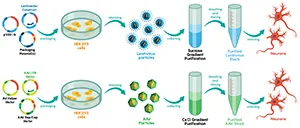
How this Gene Therapy Works: Scientists develop a safe version of viral vectors by removing dangerous genetic material from AAV or lentivirus or retrovirus versions. The correct or modified gene is added into the virus.
There are two methods used to deliver the vector to the patient:
In vivo: In this method the vector is injected directly into the patient.
Ex vivo: Patient’s cells are modified outside the body, then reintroduced.
The new gene regulates gene expression inside the cell to create essential proteins which fix disease defects.
The Potential of Viral Vector Gene Therapy
People use three different types of viral vectors which are AAV along with LV and retrovirus for gene therapy applications. Human cell transduction along with genetic payload delivery by viral vectors has enabled transformative disease therapies for SMA and hemophilia as well as particular cancer treatments. The production of viral vectors at sufficient quality and quantity and reasonable cost presents a major hindrance to industry advancement.Challenges in Viral Vector Manufacturing.

A number of obstacles presently prevent large-scale production of viral vectors:
• Low Yields and Productivity: The traditional production methods yield extremely low quantities of viruses which results in commercial difficulty due to expensive manufacturing costs.
• Scale-Up Complexity: A major barrier exists because the transfer of small laboratory runs into commercial-scale production often leads to decreased quality and operational inefficiencies.
• Product Consistency and Quality Control: The essential quality features of vector potency alongside purity and safety must remain consistent across all produced batches particularly for manufacturers operating under strict regulatory standards.
• High Cost of Goods: The production techniques currently in use require many resources which drive up manufacturing expenses and increases therapy costs along with limiting accessibility to patients.
• Analytical Limitations: Analytical Limitations remain as a hurdle because the industry continues to face problems in real-time quality attribute monitoring and process control throughout production.
Enhancing Platforms for Bioprocessing
Through aggressive research action manufacturers along with researchers have utilized multiple innovation strategies to handle these challenges.
1. Improved Upstream Process Developments
The development of Suspension Cell Cultures stands as an essential progress which enables researchers to implement suspension operations for large-scale production.
Consistent production of viral vectors becomes achievable because chemical engineering processes have achieved stable cell lines that maintain continuous vector output.
The use of single-use bioreactors and perfusion systems enables improved coverage of cell culture conditions which leads to increased yields together with minimized contamination probabilities.
2. Better Downstream Processing
Affinity Chromatography utilizes specialized resin technology to purify viral vectors since it performs better than current methods that employ ultracentrifugation.
Process Intensification integrates filtration and chromatography with other purification techniques into continuous system designs which decreases both time and expense in production.
The development of scalable purification technologies enables producers to handle bigger processing quantities as they achieve both high vector purity standards and high potencies.
3. Analytical Tools
Better detection of viral titer and genetic integrity alongside infectivity results can now be obtained by scientists through contemporary analytical methods which are more accurate and faster.
In-line Monitoring provides real-time production monitoring which leads to quick error management and enhanced process control systems that decrease batch failure incidents.
4. Digital and Automation Technologies
Bioprocessing steps regulated through automation and robotics improve operational speed and minimize worker-related mistakes.
As a result of implementing digital twins with AI technologies, organizations gain the ability to model their systems through parameter optimization at the same time as predicting system failures and enhancing batch consistency.
Regulatory Aspects and Compliance
Regulatory bodies must provide dedicated oversight to the development of viral vector gene therapy products because they need to confirm both their safety standards and functional accuracy and manufacturing consistency. Gene therapy products require strict quality assessment protocols which were specifically developed by reputable regulatory bodies such as the U.S. Food and Drug Administration (FDA) together with European Medicines Agency (EMA) and other international authorities. GMP guidelines stated by regulatory agencies set rules for bio-manufacturers demanding regulatory control of procedures involving materials and equipment in addition to product quality attribute standards.
The main regulatory obstacle involves maintaining identical batch results particularly during transitions from laboratory-based manufacturing to clinic or commercial settings. Compliance with regulatory bodies requires comparability studies when process changes emerge such as facility transfers and scale-up or optimization of upstream or downstream operations to prove the safety and therapeutic outcomes of the modified product stay unchanged.
Regulatory agencies now support the involvement of developers together with early collaboration as a way to simplify the path to approval. The INTERACT meetings from the FDA and PRIME scheme from EMA provide developers with an opportunity to get scientific advice which helps them innovate while staying compliant with regulations.
Challenges with Raw materials and Supply chain
The rapid growth of viral vector manufacturing exposed crucial deficiencies in the production lines that require GMP-grade plasmid DNA along with transfection reagents and chromatography resins and single-use bioprocessing components. Any input toward vector production needs to satisfy rigorous quality specifications so the product complies with regulatory needs while upholding vector consistency along with potency and safety parameters.
The production of plasmid DNA faces product shortages because GMP manufacturing facilities are scarce and release testing protocols challenge manufacturers. When raw material vendors alter their supply or when supply variations occur, regulatory agencies require comparison studies that produce production delays and additional regulatory work.
Eligible manufacturers start building their plasmid DNA manufacturing capacity alongside the implementation of platform processes with prequalified materials together with stronger supplier qualification systems. Public and private entities now identify standardization and supply chain resilience as essential requirements for regulators to enforce and to sustain production operations.
The Path ahead of Viral Vector Manufacturing
The industrial progress of viral vector manufacturing persistently encounters three primary hurdles regarding regulatory alignment, standardization of raw materials and global industrial-scale expansion of production networks. Success in building future bioprocessing platforms will require joint initiatives among biotechs together with academia as well as CDMOs and regulatory bodies.
The manufacturing difficulties can decrease further through current innovations that combine synthetic biology methods with less demanding vector design requirements. Funds invested into bioprocessing technology development during extended timeframes will deliver lower prices and expedite the delivery of disease-transforming gene therapies beyond select patient groups.
Conclusion
Viral vector gene therapy leads the way into a novel therapeutic period but its expansion needs better bioprocessing technological development to succeed.Modernization of suspension cell culture systems alongside scalable purification technologies and in-line analytics platforms and digital manufacturing infrastructure effectively converts production problems into productivity benefits. The future success of delivering high-quality gene therapies at scale to a wider patient population depends on implementing strategic process optimization and synthetic biology improvements which require global infrastructure support and cross-sector partnerships and affordable pricing.