

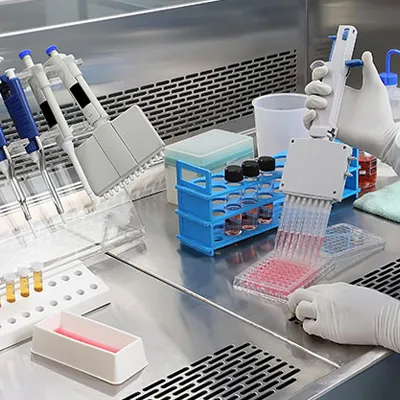
The pharmaceutical industry has built significant progress with biosimilars throughout recent years creating substantial changes in pharmaceutical manufacturing methods as well as sales processes and patient-administered medicine protocols. The development of biosimilars as similar biologic drugs to existing approved biologics enables medical transformations through less expensive alternatives to high-cost biologic drugs. The treatment of autoimmune diseases along with cancer and other chronic conditions can now be managed through commercially identical biosimilars which provide better price affordability.
The global healthcare system faces important changes due to biosimilars while pharmaceutical companies experience fast growth which transforms their existing business structure.
The Growing Importance of Biologics
Biosimilars transform the global healthcare environment through their impact on pharmaceutical company business approach. The healthcare field now faces clinical obstacles and financial burdens that result from biosimilar product introductions together with future developments shaping biosimilars roles in healthcare practice.
What Are Biosimilars
Biosimilar biologic products more commonly recognized as biosimilars must demonstrate equivalent safety together with comparable quality and efficacy to those established by a referenced authorized biologic medicine.
Since biologic molecules exhibit inherent complexity biosimilars cannot achieve precisely the same output as reference biologics but they must deliver equivalent clinical outcomes to the first medication. Manufacturers need to undergo thorough testing of clinical data alongside manufacturing processes for safety and comparable clinical trial evaluation for product approval by regulators.
Biosimilars are not generics. Generic medications match the formulation of brand products however biologic molecules exceed this level of similarity. Live organisms serve in biologic drugs production while any minor change in manufacturing steps generates effects on the final product's structure and functional properties.
Both EMA and FDA execute scientific assessments of available data before they approve biosimilars as part of their regulatory process.
The Science behind Biosimilars
The pharmaceutical industry discovered biosimilars as an innovative biotechnology which provides affordable biologic drugs that maintain their therapeutic outcomes. Traditional generic drugs have chemical equivalence to reference products yet biosimilar medicines maintain close similarity to original biologics while differing partly from them.
Expert molecular biology and bioengineering techniques together with biochemistry allow developers to test and approve these products to meet quality standards of reference biologic drugs.
Economic Impact of Biosimilars
Reduced healthcare expenses represent the umbrella benefit that biosimilars offer to the healthcare system. The production costs associated with biologic medications include the high expenses involved in their development and their advertising and production expenses. Biosimilars introduce to markets can decrease biologic therapy costs from 30 to 40 percent depending on products and their market value.
Cost reductions in biosimilar products emerge from their reduced research and development costs because they derive from already authorized drugs which maintain therapeutic effectiveness.
Public health gained considerable financial relief through biosimilar versions of monoclonal antibodies like Herceptin (trastuzumab) and Rituxan (rituximab). Long-term treatments have received vital financial help through biosimilars from both patients and healthcare establishments.
Expanding Patient Access to Life-Saving Medications
Biosimilars function as important tools to increase patient availability to required medications. Patients in low and middle income areas together with many others face restricted treatment options because biologic drug prices remain elevated. Biosimilars enable patients who previously could not afford therapeutic options to obtain beneficial medical treatments.
The adoption of biosimilars reduces both patient medical expenses and insurance company and healthcare provider financial obligations. More patients access healthcare while the healthcare expenses remain stable.
Challenges to the Growth of Biosimilars
Very few obstacles prevent widespread biosimilar adoption while this medication type shows encouraging prospect. The implementation of biosimilar medications remains limited because of two principal factors accompanied by regulatory setbacks between firms and medical provider resistance to adopt these medicines.
1. Regulatory Complexities
There exists a series of obstacles that prevent broad acceptance of biosimilar medicines. Biosimilars face three main obstacles which stem from regulatory hurdles as well as intellectual property conflicts along with rejection from patient and healthcare provider groups.
2. Intellectual Property and Patent debates
Intellectual property disputes with patents create a substantial hurdle for biosimilars to reach the market. Drugs companies maintain persistent opposition toward biosimilars throughout their market entrance by filing patent lawsuits to defend their original biological medications.
United States patent dispute laws operate as a one-of-a-kind restriction since they protect original drug manufacturers through complicated regulations. Biosimilar producers must solve existing legal disputes before releasing their products to the public and also need control of patent collections.
3. Physician and Patient Acceptance
Biosimilar adoption remains restricted since both physicians and their patients demonstrate negative reactions to using these products. Physicians hold back from substituting reference biologics for biosimilars because they concern about safety and want more familiarity with these products.
Fundamental education programs must target physicians and patients because they represent the necessary steps to advance biosimilar adoption.
Benefits of Biosimilars in the Pharmaceutical Industry
1. Reduced Drug costs in healthcare
The use of biosimilars enables healthcare institutions along with patients and payers to reduce their healthcare expenses because these medicines lower biological treatment costs.
2. Lifesaving treatment access to the patients
Due to lower prices of biosimilar treatments low-income patients alongside other individuals get improved healthcare access throughout different medical sectors.
3. Increased development & Competition
As biosimilar products rise in the pharmaceutical market pharmaceutical companies need to find ways to enhance their products and delivery procedures.
4. Less Stress on Healthcare
Healthcare systems gain better expenditure capabilities by reducing treatment costs thus diminishing the financial load on healthcare services.
5. Equivalent Effectiveness & Safety
Strict approval standards are set by the regulatory organizations in order to ensure that the patients and healthcare professionals acquire trust regarding the safety and efficacy of biosimilars.
What Makes Biosimilars Safe and Effective?
The candidate treatment has to demonstrate that it is structurally and functionally equivalent to the reference biologics to be able to get approved as a biosimilar.
Tests for product similarity comprise many different methods while testing safety and effectiveness requires evidence of no major variations.
Multiple regulatory entities serve to approve biosimilar medications under their jurisdictions.
• U.S. Food and Drug Administration (FDA)
• European Medicines Agency (EMA)
• World Health Organization (WHO)
Long-Term Safety Monitoring & Real-World Evidence
After receiving approval the pharmacovigilance program follows key factors for monitoring purposes.
• Unfavorable conditions like allergies or side effects
Available methods enable proper treatment for various patient populations.
• Long-term medication monitoring and Pharmacodynamic interactions information.

Scientific research shows that using biosimilars for chronic condition treatment results in safety together with effectiveness.
Cancer (trastuzumab and bevacizumab biosimilars)
Diabetes (for example, biosimilars of insulin glargine)
Sustainability for the Pharmaceutical Industry:
Manufacturers using biosimilars can avoid expensive biologic medication development expenses and continue producing effective treatment medications after expiration of patents. This produces longer-term sustainability in biological drug development.
Number of Treatment Options:
BIosimilar manufacturers build new therapeutic approaches by using existing biologic treatments to create combination treatments among individualized medical solutions.
The Future of Biosimilars in the Pharmaceutical Industry
The future of biosimilars looks promising because they are demonstrating expanding growth both in developed and emerging marketplaces. As the market gets more competitive with biologic therapies the cost of essential medications will decrease and patients will find it simpler to obtain these drugs because more biosimilars become available.
The industry growth will expedite through innovations in the development of biosimilars particularly in gene therapies and medicines. New research on biosimilar product development along with updated manufacturing processes and delivery systems will boost the availability at affordable prices.
Biosimilars will establish themselves as a basic element of therapeutic medicine because they provide reduced costs and extra choices that lead to superior outcomes for patients. Acceptance of biosimilars will reshape pharmaceutical operations by lowering expenses while broadening treatment availability to deliver superior patient results for regulators and healthcare providers in addition to patients
Conclusion
The pharmaceutical industry experiences significant transformations through biosimilars because these products lower drug costs of expensive biologic medicines while enhancing medical therapy availability and market competitiveness. Through ongoing approval of ad biosimilars the healthcare industry will play an essential role in lowering worldwide prices and enhancing patient care at affordable rates. The ongoing biosimilar development process should affect contemporary medical practices although it faces several barriers involving intellectual property disputes and legal requirements along with consumer adoption hurdles. Modern pharmaceuticals appear to have a prosperous future which will continue influencing the industry during multiple future years.