

1. Can you elaborate on how your extensive experience in pharmaceutical sciences influenced the conceptualization and development of this book?
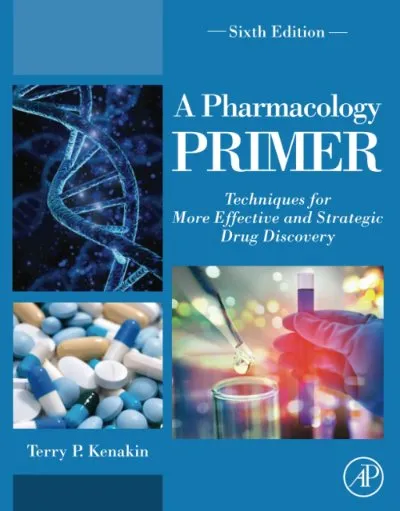
My extensive experience in pharmaceutical sciences played a pivotal role in conceptualizing and developing this book. With a strong foundation in pharmaceutical education and research, I was able to bring a unique perspective to the book project. Overall, my experience in pharmaceutical sciences was essential in creating a book that is both informative and practical. I am confident that readers will benefit from the expertise, skills and knowledge that I have shared in this book.
2. The book emphasizes modern drug discovery approaches. How do you see the evolution of these approaches reshaping the future of pharmacology research?
The evolution of modern drug discovery approaches is revolutionizing the field of pharmacology research. As highlighted in the book, advances in technologies such as artificial intelligence, machine learning, computational drug design tools, and high-throughput screening are transforming the way we identify and develop new therapeutics. The increasing use of precision medicine approaches, such as genomics and epigenomics, will enable researchers to design more targeted and effective treatments. Therefore, the future of pharmacology research holds tremendous promise for the development of novel, personalized, and effective therapies.
3. Drug-target interaction is a pivotal concept in pharmacology. How does your book delve into the complexities of this phenomenon, and what unique perspectives does it offer?
Our book provides an in-depth exploration of drug-target interactions, a crucial aspect of molecular pharmacology. The book delves into the complexities of this phenomenon by discussing the various types of drug-target interactions, including enzyme-inhibitor interactions, receptor-ligand interactions, and protein-protein interactions. Furthermore, the book discusses the challenges and limitations associated with studying drug-target interactions, including the complexity of biological systems, the dynamic nature of protein-ligand interactions, and the need for integrated approaches that combine experimental and computational methods.
4. Molecular pharmacology is highlighted as a growing area of interest globally. In your view, what are the primary drivers behind this momentum, and how does your book cater to this trend?
The growing interest in molecular pharmacology can be attributed to several primary drivers such as advances in technology, personalized medicine, and complexity of disease biology and multi-targeting attribute of drug molecules.
Our book caters to this trend by providing a comprehensive overview of the principles and applications of molecular pharmacology. Some of the key features include:
• In-depth coverage of molecular mechanisms
• Discussion of cutting-edge technologies
• Focus on translational research and interdisciplinary approach
• Molecular pharmacology of diseases ad development of therapeutics
5. With the advent of advanced biochemical systems and cellular strategies, what challenges do researchers face in drug discovery, and how does your book address them?
The advent of advanced biochemical systems and cellular strategies has significantly transformed the drug discovery landscape. However, researchers now face new challenges such as:
• Complexity of biological systems
• Target identification and validation
• Polypharmacology and off-target effects
• Cellular heterogeneity and plasticity
• Integration of multi-omics data
Our book addresses these challenges by providing:
• Comprehensive coverage of biochemical systems
• Polypharmacology and off-target effects
• Integration of multi-omics data
• Molecular pharmacology and development of therapeutics
By addressing these challenges, my book provides researchers with the knowledge and tools necessary to navigate the complexities of modern drug discovery.
6. Could you provide insights into how molecular tools and techniques discussed in the book can bridge the gap between theoretical knowledge and practical applications in drug discovery?
The molecular tools and techniques discussed in the book play a crucial role in bridging the gap between theoretical knowledge and practical applications in drug discovery. Here are some insights:
• Translating theoretical knowledge into practical applications
• Experimental validation of theoretical models
• Rational drug design
• Streamlining the drug discovery pipeline
• Interdisciplinary approaches:
By providing a comprehensive overview of molecular tools and techniques, the book empowers researchers to bridge the gap between theoretical knowledge and practical applications, ultimately accelerating the discovery of novel therapeutics.
7. Your book seems to cater to a broad audience, including researchers, scientists, and academicians. How have you structured the content to meet the diverse needs of these groups?
Structuring the content to cater to a broad audience was a key consideration when writing the book. To meet the diverse needs of researchers, scientists, and academicians, I employed several strategies:
• Modular organization and layered complexity
• Interdisciplinary approaches
• Practical examples and case studies
• Clear and concise language
By employing these strategies, I aimed to create a comprehensive and inclusive resource that caters to the diverse needs of researchers, scientists, and academicians, while also providing a valuable reference for students and professionals in the field.
8. Biochemical and molecular pharmacology often intersects with other disciplines. How does your book integrate interdisciplinary approaches to enrich the understanding of drug discovery?
Our book integrates interdisciplinary approaches to enrich the understanding of drug discovery by incorporating concepts, tools, and techniques from various fields. By integrating these interdisciplinary approaches, my book provides a comprehensive and holistic understanding of drug discovery, enabling readers to:
• Appreciate the complex interplay between biological, chemical, and physical processes in drug discovery
• Apply cutting-edge tools and techniques from various disciplines to real-world problems in drug discovery
• Develop a systems-level understanding of disease mechanisms and therapeutic interventions
Ultimately, our book aims to equip readers with the knowledge, skills, and interdisciplinary perspectives necessary to succeed in the rapidly evolving field of drug discovery.
9. Given the rapid technological advancements, how does your book incorporate current trends and innovations in molecular pharmacology and drug design?
Our book incorporates current trends and innovations in molecular pharmacology and drug design by:
• Reverse pharmacology and drug repurposing
• Precision medicine and personalized therapies
• Computational modeling and simulation in drug discovery
• Gut-health pharmacology and natural product-based therapies
• Immunotherapy and cancer research
• Enzyme inhibitors as anticancer drugs
• Recombinant DNA technology and gene therapy
By incorporating these current trends and innovations, my book provides readers with a comprehensive and up-to-date understanding of the rapidly evolving field of molecular pharmacology and drug design.
10. Could you discuss the pedagogical value of your book for graduate and postgraduate students? How can it serve as a comprehensive resource in their academic journey?
This book is designed to serve as a comprehensive resource for graduate and postgraduate students in pharmacology, pharmaceutical sciences, and related fields. The pedagogical value of the book lies in its ability to:
• Provide a foundational understanding
• Foster critical thinking and analysis
• Develop problem-solving skills
• Facilitate interdisciplinary learning
• Support research and academic pursuits
By using the book in a supportive and interactive learning environment, instructors can help graduate and postgraduate students develop a deep understanding of molecular pharmacology and drug design, preparing them for successful careers in research, industry, and academia.
11. In your opinion, how can the foundational principles of molecular pharmacology discussed in the book inspire novel therapeutic developments?
The foundational principles of molecular pharmacology discussed in the book can inspire novel therapeutic developments in several ways:
• Targeted therapies
• Personalized medicine
• Novel drug delivery systems
• Multi-target therapies
• Synthetic biology and gene editing
• Immunotherapies
• Combination therapies
By applying the foundational principles of molecular pharmacology, researchers and scientists can develop innovative therapeutic strategies that improve human health and quality of life.
12. The pharmaceutical industry is under immense pressure to deliver effective drugs rapidly. How does your book address the balance between speed and scientific rigor in drug discovery?
Our book acknowledges the pharmaceutical industry's need for speed in delivering effective drugs while maintaining scientific rigor in drug discovery. To address this balance, the book:
• Emphasizes the importance of rigorous target validation
• Discusses advanced technologies for accelerating drug discovery
• Provides strategies for optimizing lead compound selection
• Covers innovative clinical trial designs
• Highlights the importance of translational medicine
• Addresses the role of regulatory agencies in balancing speed and rigor
• Showcases case studies of successful accelerated drug development programs:
By addressing these critical aspects, my book provides a comprehensive guide for balancing speed and scientific rigor in drug discovery, ultimately supporting the development of effective therapies that improve human health.
13. Considering the ethical implications of molecular pharmacology, how does your book guide readers on the responsible application of this knowledge?
Our book acknowledges the significant ethical implications of molecular pharmacology and provides guidance on the responsible application of this knowledge. Here are some ways the book addresses ethical considerations:
• Discussion of ethical principles
• Pharmacogenomics and personalized medicine
• Environmental impact and global health disparities
• Regulatory frameworks
• Case studies and ethical dilemmas
• Best practices and future directions
By integrating these ethical considerations throughout the book, I aim to inspire readers to adopt a responsible and reflective approach to molecular pharmacology, prioritizing human well-being, environmental sustainability, and social justice.
14. What do you hope the readers, particularly those involved in drug research and development, take away as the key message or impact of this book?
As an author/editor of the book, I hope that readers, particularly those involved in drug research and development, take away the following key messages and impacts from this book:
a) Interdisciplinary approach in drug discovery research
b) Translation of basic scientific discoveries to clinical applications
c) Inspiration for innovative research in drug discovery using emerging tools and technologies
Ultimately, my goal is for this book to inspire and empower researchers, scientists, and professionals in the pharmaceutical industry to contribute to the development of innovative, effective, and safe therapies that improve human health and quality of life.