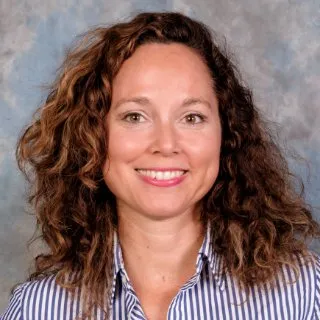
With their combined expertise spanning clinical trials, RNA therapeutics, and oncology drug development, we aim to address the complexities and breakthroughs that define this domain.
Q1. Given your leadership at WCG, how has your experience across the oncology clinical development spectrum influenced trial design for targeted therapies, particularly in streamlining processes and fostering innovation?
Brant: The last decade has shown a paradigm shift in understanding cancer including treatment options and patient outcomes. Oncology has progressed in applying non-traditional trial designs (basket, platform, umbrella, adaptive, etc.) and integrating technologies into oncology trials. Targeted approaches are transforming drug development yielding more patient-centric, data-driven, and efficient development pathways. IRBs are obligated to support precision medicine through keeping pace with guidance and regulations and staying current on technology and regulatory shifts.
Q2. With your extensive experience leading over 150 Phase I trials, what specific aspects of early-phase trial design drive the success of targeted cancer therapies, especially in patient selection and dosing strategies?
Maria: The success of early-phase trials in targeted cancer therapy depends on precise patient selection and optimized dosing. Routine next-generation sequencing (NGS) of all metastatic patients ensures identification of actionable mutations, maximizing response and survival benefits for these patients. Moreover, it is important that clinical trials are conducted in comprehensive cancer centers with molecular tumor boards to guide the best treatment selection. Finally, new Bayesian trial designs enable more precise dose finding, improving safety and efficacy. Integrating molecular profiling with adaptive designs accelerates drug development and ensures better outcomes for patients.
Q3. What specific safeguards or methodologies have you implemented to simultaneously enhance patient safety and foster innovation in targeted therapy trials?
Brant: WCG has enhanced support for Institutional BioSafety Committee (IBC) review and expertise for hematology/oncology targeted approaches. IBC oversight is required for human gene transfer products containing engineered RNA or DNA, including mRNA, gene therapies, oncolytic viruses, CAR-T/CAR-NK, etc. We ensure compliance with NIH guidelines to mitigate risks to clinical staff, public health, and the environment. Clinical sites involved in gene transfer approaches require biosafety registration and qualified IBC membership.
Q4. How do you balance patient safety with the need for rapid innovation in early-phase trials, particularly for novel immunotherapy combinations?
Maria: Patient safety is the cornerstone of early-phase development. Balancing safety with rapid innovation requires real-time integration of pharmacokinetics (PK), pharmacodynamics (PD), and toxicity data to determine optimal dosing. While PK and toxicity are straightforward, proper PD assessment requires tumor biopsies and as well as other secondary endpoints such as peripheral blood mononuclear cells (PBMCs) to evaluate drug effects. Modern trial designs incorporating these data enable better decision-making, ensuring both patient safety and efficient drug development. This approach is essential, particularly for novel immunotherapy combinations, where precise dosing minimizes risk while maximizing therapeutic benefit.
Q5. In your experience, how do partnerships with CROs or academic centers help boost recruitment in oncology trials for targeted therapies?
Brant: Partnering with CROs or academic centers helps boost recruitment by matching biomarker-specific expressing patients with the appropriate trials. Academic medical centers routinely use next-generation sequencing (NGS) during initial cancer diagnosis, a practice which is spreading to more community sites. Matching biomarker specific patients to clinical trials remains a laborious process, emphasizing the need for specialty trial support providers to promote equitable trial access and improving accrual.
Q6. What unique strategies have you employed at START Madrid to tackle recruitment challenges in biomarker-driven trials?
Maria: At START Madrid, we tackle recruitment challenges in biomarker-driven trials through a multifaceted strategy. We have already discussed routine NGS for patient identification and molecular tumor boards, but other factors also play a key role. At START, we are committed to a patient-centric approach, where education and support enhance engagement and retention. Similarly, working closely with referral networks is crucial, fostering strong collaborations with oncologists and hospitals to expand
Q7. What is the biggest barrier to translating targeted therapies from the lab to clinical practice, and how can cross-industry collaboration bridge this gap?
Brant: There is a tremendous opportunity for harmonizing biomarkers and data sharing across industries (including global private and sponsoring entities). The regulatory pathways involved in transitioning from bench to clinic can continue to be improved upon through prospective dialogue and learnings through comparable pathways, experiences, and approaches. The application of technology to bridge the gaps between discovery, patient care, safety, and accessibility should be at the forefront of every researcher’s objectives.
Maria: In my opinion, there are some barriers to translating targeted therapies to clinical practice, such as the complexity of biomarker validation and regulatory alignment, which sometimes lead to delays in patient selection, trial enrollment, and approval processes. Early regulatory alignment and integrating biomarker and companion diagnostic (CDx) development from the protocol draft are key here.
Gilles: One of the biggest barriers to translating targeted therapies from the laboratory to clinical practice is the complexity of clinical trials and regulatory challenges. Although targeted therapies show great promise in laboratory settings, moving them into clinical practice requires overcoming several obstacles:
Limited Patient Populations: Targeted therapies are often designed for specific mutations, resulting in smaller patient groups that complicate clinical trial recruitment and raise concerns about therapy applicability.
Regulatory Complexity: The approval process for such therapies includes multiple clinical trials with stringent regulatory requirements, and any delays or unclear guidelines can hinder progress.
High Costs and Funding: The development and testing of targeted therapies are expensive, making it difficult for biotech companies to secure the necessary funding for comprehensive studies.
Biomarker Discovery and Validation: These therapies rely on biomarkers to find suitable patients, but discovering and validating these biomarkers can be time-consuming, and not all are reliable for clinical use.
Q8. How does WCG leverage advanced analytics to optimize trial outcomes, especially for complex targeted therapies?
Brant: WCG leverages multiple sources and advanced analytics to optimize trial outcomes- especially for targeted therapies. By analyzing traditional claims data, site performance and incidence/prevalence data we are able to evaluate trial potential of global sites to identify investigators with proven success and experience with similar clinical approaches. By examining competitive trials, biomarker targets, and patient burden, WCG provides valuable insights into site selection, ensuring optimal positioning to achieve enrollment targets and timeline preservation.
Q9. From your experience with immunotherapy trials, what lessons can be applied to improve RNA-based targeted therapies?
Maria: In recent years, we have seen a surge in RNA-based therapies, mainly vaccines that encode tumor-associated targets or neoantigens to stimulate an anti-tumor immune response, but also immune modulators encoding cytokines and RNA-adjuvanted therapies like RIG-I agonists. Identifying tumor-specific or neoantigen targets is key for vaccine strategies, while other compounds rely on efficient delivery systems like nanoparticles. Finally, manufacturing is crucial, and scalable production with consistent quality is essential to meet clinical and regulatory demands.
Q10. How does Orbital Therapeutics’ platform integrate biomarker insights into the development of RNA-based cancer therapies, and what advantages does this bring?
Gilles: Orbital Therapeutics pay high attention in integrating biomarker insights into RNA-based cancer therapies, resulting in more personalized and effective treatments. Here’s a concise overview of how we do this:
Identification of Tumor-Specific Biomarkers:
RNA therapies, such as mRNA vaccines and gene editing, rely on specific genetic markers to determine which cancers will respond. We use advanced genomics tools to identify biomarkers like mutations and gene expression profiles, ensuring targeted therapy for tumors likely to benefit.
Biomarker-Driven Patient Selection:
Once biomarkers are identified, we guide patient selection for clinical trials and treatments. Tools like liquid biopsies test for these markers, ensuring that only patients with relevant biomarkers receive RNA-based therapies, enhancing therapeutic success and reducing unnecessary treatments.
Personalized RNA Therapeutics:
Orbital Therapeutics leverage personalized medicine by designing RNA therapies tailored to individual genetic profiles. We develop treatments that target specific mutations or oncogenic RNAs based on a patient’s unique genetic makeup.
Leveraging RNA Technologies:
Orbital Therapeutics uses next generation RNA technologies to design RNA constructs that target specific cancer-related molecules, ensuring effective treatments based on clinical insights.
Q11. What key technological advancements, such as AI or next-gen sequencing, do you see accelerating the adoption of targeted therapies for hard-to-treat cancers?
Brant: This is a fascinating time for research from a variety of perspectives and is a broad space to watch- including Nano delivery, Theranostics, AI-driven screening, etc. In place of a single overarching advancement, it is likely that a combination of proven and future approaches will be sorted and prioritized by a unified deep learning model. This will be central to significant advancements and options for patients and clinicians.
Q12. With START Madrid being a leader in early-phase trials, how does your approach expedite regulatory pathways for targeted therapies, especially in collaboration with global partners?
Maria: Close partnerships with regulatory agencies and sponsors/CROs ensure early alignment on trial endpoints, while real-time data sharing with global partners optimizes protocol adjustments. Additionally, our expertise in first-in-human (FIH) and dose-escalation studies streamlines approvals, enabling faster transitions from preclinical to clinical phases. By integrating cutting-edge biomarker strategies and regulatory insights, we expedite the development of innovative oncology therapies.
Q13. How have regulatory processes evolved to address the complexity of targeted therapies, and how can industry collaborations further streamline these pathways?
Brant: While not specifically penned for support of targeted therapy trials, the September 2024 FDA guidance document “Conducting Clinical Trials with Decentralized Elements” supports clinical trial activity at locations outside of traditional trial investigative sites. The guidance defines sponsor, investigator, and regulatory responsibilities and supports application of digital health technologies. This reflects the FDA’s commitment to advancing innovation that offsets participant burden and promotes access to diverse populations while maintaining data integrity and safety.
Q14. What role do advanced analytics play in the design and delivery of RNA-based therapeutics, and how do they impact preclinical and clinical outcomes?
Gilles: Advanced analytics play a crucial role in the design, development, and delivery of RNA-based therapeutics, enhancing decision-making from early research to clinical trials. Here’s how they influence outcomes:
Target Identification and Optimization:
Advanced computational models can predict effective RNA sequences for targeting specific diseases, allowing researchers to select optimal RNA candidates. Machine learning algorithms analyze large genetic datasets to identify potentially effective RNA targets (mRNA, siRNA, or miRNA). RNA secondary structure prediction tools are also essential for ensuring stability and efficiency during early development.
Preclinical Development:
In Silico modeling: These tools help predict RNA molecule behavior in living systems, informing pharmacokinetics and pharmacodynamics while minimizing off-target effects.
Biomarker discovery: Advanced analytics assist in identifying biomarkers that can forecast patient responses to RNA therapies, improving patient selection for trials.
Formulation and Delivery Optimization:
Optimizing the delivery of RNA therapeutics is critical, and advanced analytics enhance the development of nanoparticles and lipid nanoparticles (LNPs). Computational modeling predicts which lipid compositions best protect RNA and enhance delivery, while integrated analytics fine-tune delivery methods and dosing for optimal efficacy and safety.
Q15. How do biomarker-driven trials influence the discovery of first-in-class therapies, and what are the main hurdles you face in biomarker validation?
Maria: Biomarker-driven trials accelerate first-in-class therapy discovery by identifying patient subgroups most likely to benefit, improving response rates and reducing trial failure. Recent breakthroughs, like KRAS inhibitors and emerging p53-targeting agents, demonstrate the power of precision medicine in previously undruggable targets. However, challenges include biomarker reproducibility, assay standardization, regulatory hurdles, and securing high-quality biospecimens. Additionally, biomarker-driven approaches require robust translational research and early validation to ensure clinical relevance, which can be resource-intensive and complex in heterogeneous tumors.
Q16. How do RNA therapeutics complement existing modalities like immunotherapy and ADCs, and what unique challenges do they address in cancer treatment?
Gilles: RNA therapeutics are an exciting and rapidly advancing field that enhances existing cancer treatments, such as immunotherapy and antibody-drug conjugates (ADCs), in several important ways. These RNA-based therapies—including mRNA vaccines, RNA interference (RNAi), antisense oligonucleotides (ASOs), and gene-editing techniques—offer unique benefits and address challenges faced by current treatments.
Here’s how they complement existing modalities:
Boosting Immune Response: mRNA vaccines can stimulate the immune system to target cancer by encoding tumor-specific antigens or neoantigens. When used with immune checkpoint inhibitors, these vaccines enhance the effectiveness of immunotherapy.
Personalized Cancer Vaccines: mRNA vaccines can be customized to produce antigens unique to a patient’s cancer, allowing for a tailored immune response.
Targeting Tumor Cells: ADCs deliver cytotoxic drugs directly to tumor cells through antibodies. RNA therapies can silence genes that contribute to resistance or enhance the expression of known biomarkers, improving ADC effectiveness.
Overcoming Resistance: Tumors can develop resistance to ADCs. RNA therapeutics can target these resistance mechanisms, increasing the potency of ADCs.
Gene Editing and RNAi: RNA therapies can target specific cancer mutations, allowing for precise intervention in genetic alterations that existing therapies may not address.
Addressing Heterogeneity: RNA therapeutics can be tailored to target multiple mutations simultaneously, complementing therapies that focus on a single pathway.
Enhancing Delivery: RNA therapies can also improve the delivery of other treatments, including ADCs, by enhancing specificity and reducing side effects, leading to a better therapeutic outcome.
Q17. What emerging innovations, such as gene editing or novel RNA platforms, could redefine targeted cancer therapies in the next decade?
Brant: The trajectory of improvement on patient outcomes from the last decade yields great hope for the future. To maintain these advancements, efficient trial planning and execution met with flexibility from review boards and regulators to adapt to breakthroughs is imperative. Exploratory endpoints of today have the potential to be primary endpoints or companion diagnostics of the future hence all involved need to strive to stay current on regulatory and technological approaches.
Gilles: Emerging innovations in gene editing and RNA platforms are transforming RNA-based therapeutics, expanding treatment possibilities for genetic diseases while enhancing precision, efficiency, and patient outcomes. Here are key innovations that could have a significant impact:
Gene Editing Technologies: Advanced technologies like CRISPR-Cas9 and its derivatives allow precise editing of RNA and DNA.
RNA Editing Technologies: Tools that target RNA molecules can correct mutations or modify gene expression without altering the DNA sequence.
Advanced RNA Delivery Platforms:
Lipid Nanoparticles (LNPs): The gold standard for mRNA vaccine delivery, new formulations aim to improve stability and targeting while reducing immune responses.
Exosome-based Delivery: Engineered exosomes offer a biocompatible method for delivering RNA therapeutics to specific tissues, such as the brain or liver.
Polymer-based Delivery Systems: Biodegradable polymers protect RNA from degradation and ensure its efficient cellular release.
These innovations are reshaping RNA-based therapeutics, promising more precise and personalized treatments for various diseases and paving the way for transformative breakthroughs in medicine.
“As we look toward the future, targeted therapies continue to redefine what is possible in cancer treatment, bridging gaps between science, technology, and patient care. The insights shared by our panelists highlight the importance of collaboration, innovation, and persistence in overcoming the many challenges that lie ahead. Together, we can continue to push boundaries and bring hope to millions battling cancer worldwide.”