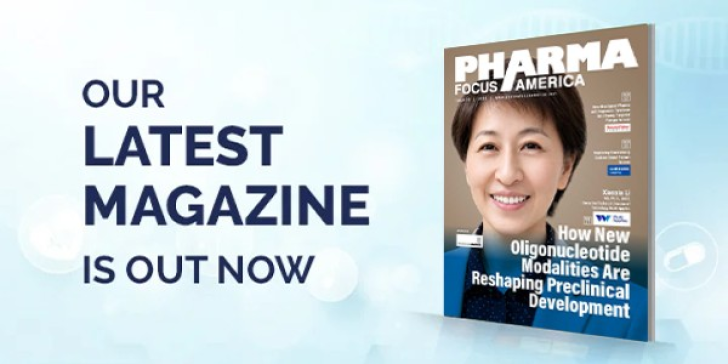

Pharmaceutical progress is no longer measured simply by how quickly a promising molecule can move from the laboratory into development. Increasingly, the harder question is whether the systems around that molecule are ready for what comes next. Science may create the possibility, but development strategy, diagnostics, manufacturing, regulation, data, and ultimately patient access determine whether that possibility becomes a medicine.
Our cover story begins where some of the most important questions in drug development are being asked: where scientific ambition meets the realities of preclinical development. In “How New Oligonucleotide Modalities Are Reshaping Preclinical Development,” Xiaoxia Li, MD, Ph.D., DABT, Executive Technical Director of Toxicology at WuXi AppTec, explores how emerging oligonucleotide modalities are challenging established approaches to preclinical development and safety assessment and highlights the need for development strategies to evolve alongside scientific advances.
That complexity is equally visible across biopharma R&D pipelines, clinical development, and manufacturing readiness. The ability to scale a biologic, maintain continuity from development to launch, and withstand regulatory scrutiny is no longer a technical afterthought; it is a board-level concern. At the same time, CAR-T, TILs, cellular immunotherapies, and in vivo gene therapy are introducing new questions around safety, delivery, manufacturing, and ethical responsibility.
Agentic AI, clinical trial complexity, and connected patient journeys are becoming practical responses to increasingly fragmented studies. Recruitment, decentralization, and real-time data are creating new possibilities for patient participation in research, while the alignment of diagnostics and targeted therapies remains critical to ensuring that the right patients receive the right treatment. Just as importantly, regulatory consistency and harmonization can determine whether promising therapies move efficiently across borders and reach patients without unnecessary delay.
The shift from volume to value, the rise of specialty pharma, the evolution of non-sterile outsourcing, and the integration of multi-modality CDMOs point toward a model in which value is increasingly created through specialization and collaboration. Small molecules, peptides, and advanced therapies may require very different capabilities, yet the industry is increasingly looking for partners that can navigate these modalities with breadth as well as depth. The boundaries between developer, manufacturer, technology provider, and financier are becoming less distinct, creating new opportunities but also demanding greater clarity around accountability and execution.
Yet for all the discussion around new technologies and business models, the human element remains central. The advances represented across this edition, from CAR-T, TILs, and next-generation immunotherapies to bispecific and trispecific antibodies, cancer drug discovery, and emerging approaches to gene therapy, are ultimately measured by the patients they can help. Alongside the science sit equally important questions of safety, ethics, delivery, manufacturing, affordability, and access.
I sincerely thank our authors, experts, and industry voices for sharing their knowledge, experience, and perspectives, and our readers for continuing to engage with the conversations that matter across the pharmaceutical industry.
We look forward to staying connected with you in our upcoming editions, bringing together the ideas and developments that continue to shape the future of pharma.
Stay Connected with Pharma Focus America!
Read the full article — it's free
Register with Pharma Focus America to unlock expert insights, research articles and in-depth industry analysis.