Transformations in technology that are redefining the process of manufacturing are witnessing a huge change in the pharmaceutical industry. These inventions are intended to overcome these problems of the rising demand for personalized medicine, high regulatory demands, and low-cost manufacturing. State-of-the-art technology is essential with the aim of enhancing the manufacture of drugs in terms of efficiency, accuracy, and scale.
1. AI-Driven Robotic Capsule Filling Machines
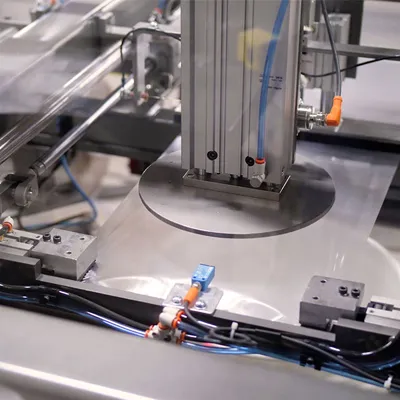
Artificial Intelligence (AI) has transformed the process of filling capsules by adopting robots that have unmatched accuracy and flexibility. These are machines with AI algorithms, which optimize filling parameters and guarantee consistency in quality and reduce human error. The technology of robotics increases the speed and flexibility of production, including capsules of different sizes and formulations. The predictive maintenance that is enabled by AI-driven systems can result in the reduction of downtime and an increase in the overall efficiency of the work.
2. Continuous Manufacturing Systems
Constant manufacturing is a change from the old form of batch processing to a lean flow of production. Such a process improves the product consistency, decreases the production costs, and shortens the time-to-market. Continuous manufacturing through combining real-time monitoring systems and control systems will guarantee the maintenance of quality and compliance with regulations. This paradigm is especially useful in the creation of biologics and intricate drug compounds.
3. Drug Development 3D printing
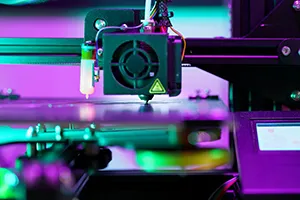
The 3D printing technology facilitates the production of individualized drug formulations that serve the best levels of individual patients. The production of drug composition, dosage, and release profiles can be controlled precisely with this additive manufacturing technique, and more complex dosage forms, e.g., polypharmacy pills, can be developed, and new approaches to the development of drug delivery vehicles can be prototyped rapidly. The innovation is laying the foundation for personalized medicine and patient-oriented treatments.
4. Automated Visual Inspection Systems
The quality and safety of pharmaceutical products is of primary importance. Defects like particulate matter, discoloration, and packaging defects can be spotted by automated visual inspection systems with unique imaging capabilities and AI algorithms. The systems are very fast and they offer reliable and repeatable inspection of goods that satisfy strict regulations. The automation of visual inspections reduces human error and enhances product quality assurance.
5. Advanced Lyophilisation Equipment
Freeze-drying is also known as Lyophilisation which is an important procedure used to ensure stability of biologics and vaccines. Up-to-date lyophilisation devices provide a better regulation of the temperature and pressure parameters and guarantee the best conditions for drying. They are systems with real-time monitoring and data analytics to improve the efficiency of the process and quality of the product. Predictive maintenance and process optimization are made possible by the integration of automation and IoT capabilities.
6. Smart Packaging Solutions
Pharmaceutical products are increasingly getting traceable and secure through the implementation of smart packaging technologies. These solutions have the features of the RFID tag, QR code, and tamper-evident seal to track the integrity and authenticity of drugs within the supply chain. Smart packaging is also able to support patient engagement by means of digital interfaces that are used to give dosage instructions and adherence reminders. The integration of blockchain technology further enhances data transparency and security.
7. Robotic Cell Culture Systems
Life-based therapeutics like biologics and cell-based therapies are manufactured using highly specific and scalable cell culture operations. Robotic cell culture systems have automated the most critical processes of preparing media, seeding of cells, and harvesting, which need less human intervention and variability. Such systems are coupled with data analytics platforms to scan cell growth and viability in real-time and optimize culture conditions and yield. Automation of cell culture technology increases the ability to repeat results and reduces development cycles.
8. Advanced Granulation Equipment
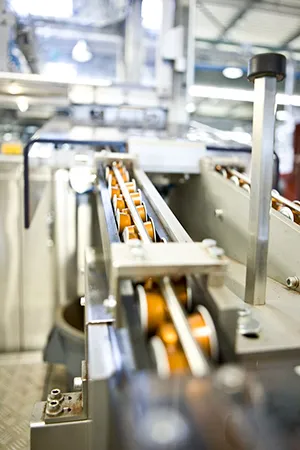
One of the major manufacturing processes in the solid dosage form is granulation. State-of-the-art granulation machinery provides increased adjustment through the distribution of particle sizes, density, and flow characteristics. These systems also have built-in real-time process analytical technology (PAT), which is used to check and control aspects like the addition of binder and mixing velocity. The unification of automation and data analytics enables uniform quality of the product and efficiency in the processes.
9. High-Throughput Screening Platforms
High-throughput screening (HTS) systems are required when it comes to rapid identification of drug candidates. These systems employ robot automation and miniaturized assay technologies in order to screen large compound libraries in biological targets. Data analysis and predictive modeling, which can be improved with the integration of AI and machine learning algorithms, can hasten the process of drug discovery.
Through HTS systems, it would be easy to identify compounds with lead-like properties effectively and to save time and cost involved in developing the agents at an early stage.
10. Sustainable Manufacturing Technologies
The production of drugs is growing more and more to the concept of sustainability. Green chemistry, energy -saving equipment and waste reduction systems are some techniques that are currently suitable to prevent the impact of the production process on the environment. These permanent practices not only meet government requirements but also correspond to goals for corporate social responsibility. Pharmaceutical companies are expected to use permanent production technologies aimed at taking moral responsibility and stability.
Conclusion
The drugs industry is embracing a novel, creative era by the use of more advanced machines in the manufacturing of drugs with a sense of efficiency, accuracy, and scalability. The technologies are setting new standards and addressing the new needs of the industry, with AI-controlled systems being one example and long-term manufacturing solutions being the other. The future of pharmaceutical manufacturing is hopeful with better patient outcomes, faster development cycles, and a more robust and surviving healthcare system as pharmaceutical companies shift and embrace these new developments.