


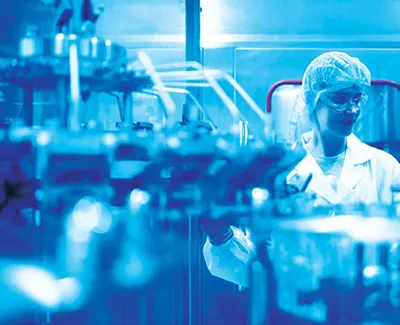
In an era where sustainability is a critical global concern, the pharmaceutical industry is experiencing a transformative shift toward green manufacturing. This paradigm interlaces the principles of green chemistry with cutting-edge process engineering to deliver drugs with minimal environmental impact while maintaining high standards of quality. The transition to green pharmaceutical manufacturing is not just an environmental imperative but a strategic pathway to ensuring long-term viability and responsibility in global healthcare production.
The Foundations of Green Pharmaceutical Manufacturing
Green pharmaceutical manufacturing emphasizes the reduction or replacement of hazardous reagents, the enhancement of atom economy, and the adoption of sustainable process intensification strategies such as continuous manufacturing. The overarching goal is to improve both ecological stewardship and operational efficiency, setting a new standard for the industry.
Core Principles of Green Chemistry
Central to this approach is green chemistry, which prioritizes:
• Reduction of Hazardous Reagents: Utilizing safer solvents and materials to reduce toxicity and environmental damage.
• Atom Economy: Designing synthetic routes where most of the reactants are incorporated into the final product, minimizing waste.
• Energy Efficiency: Developing processes that operate under milder conditions to decrease energy consumption.
• Sustainability in Raw Materials: Emphasizing the use of renewable feedstocks to reduce reliance on finite resources and promote circularity.
By embedding these principles into the design and execution of pharmaceutical processes, companies can ensure that their operations align with broader environmental goals while improving the efficiency of drug production.
Innovative Strategies Driving Sustainability
Safer Solvents
Traditional solvents often pose significant environmental and health hazards. The adoption of safer solvents—such as water, ethanol, or supercritical carbon dioxide—has been pivotal in minimizing toxicity and waste while enhancing process safety. Additionally, solvent recycling and purification technologies have further reduced the ecological footprint of solvent-intensive processes. Green solvent systems are now being integrated into early-stage drug development to ensure scalability and sustainability across the product lifecycle.
Catalysis and Biocatalysis
The use of catalysts and biocatalysts has revolutionized synthetic pathways by improving reaction specificity and efficiency. Catalysis allows for:
• Streamlined Pathways: Reducing the number of reaction steps, thereby lowering resource and energy requirements.
• Minimized Byproducts: Producing fewer waste materials compared to traditional methods.
Biocatalysts, derived from natural enzymes, offer an added advantage of operating under mild conditions, further reducing energy consumption. Recent advances in enzyme engineering and immobilization have expanded the applicability of biocatalysts to complex pharmaceutical syntheses, enabling the production of high-value intermediates and APIs with unprecedented precision.
Process Intensification and Continuous Manufacturing
Process intensification strategies, particularly continuous manufacturing, have emerged as game-changers. Continuous manufacturing:
• Enhances production efficiency by eliminating batch-to-batch variability.
• Reduces downtime and waste.
• Optimizes energy usage through integrated, real-time monitoring and control systems.
This approach not only reduces operational costs but also minimizes material loss, enabling more sustainable use of resources. Continuous manufacturing is increasingly being adopted for small-molecule APIs and biologics, demonstrating its versatility and scalability. Companies are also exploring modular manufacturing units that can be rapidly deployed and adapted to meet changing market demands, further enhancing sustainability.
Data-Driven Methodologies
Data analytics and design-of-experiments (DoE) methodologies have become indispensable tools for refining process control and minimizing resource consumption. These techniques:
• Enable precise optimization of manufacturing parameters.
• Facilitate predictive modeling to prevent waste and inefficiencies.
Furthermore, the integration of artificial intelligence (AI) and machine learning (ML) into process design is unlocking new opportunities for real-time monitoring and decision-making. Predictive maintenance, enabled by AI, ensures equipment operates at peak efficiency, reducing unplanned downtime and energy usage.
Green Engineering in Facility Design
Sustainability extends beyond manufacturing processes to the design of pharmaceutical facilities. Green engineering principles are now being applied to construct energy-efficient plants with features such as advanced HVAC systems, solar panels, and waste heat recovery technologies. The implementation of closed-loop water systems and zero-waste initiatives further exemplifies the commitment to sustainable operations.
Case Studies in Green Manufacturing
Several leading pharmaceutical companies have embraced green manufacturing practices, yielding substantial benefits:
• Reduced Waste Generation: By improving synthetic routes and employing atom-economical processes, companies have significantly cut down on chemical waste.
• Lower Energy Consumption: Continuous manufacturing and energy-efficient processes have reduced the carbon footprint of drug production.
• Maintained Quality Standards: Despite the shift to greener processes, rigorous quality control ensures that products meet the highest regulatory standards.
For example, one major pharmaceutical firm successfully implemented a continuous flow process for an active pharmaceutical ingredient (API), resulting in a 50% reduction in solvent use and a 40% decrease in production time. Similarly, another company transitioned to biocatalysis for a key intermediate, achieving a 60% reduction in greenhouse gas emissions while lowering costs.
Challenges and Opportunities
While the benefits of green pharmaceutical manufacturing are clear, several challenges persist:
• Standardized Metrics: There is a lack of universally accepted performance metrics to evaluate the sustainability of manufacturing processes. Developing robust metrics that account for environmental, economic, and social impacts is critical.
• Life Cycle Assessment (LCA) Tools: Robust LCA tools are needed to assess the environmental impact of processes comprehensively and consistently. Standardizing LCA methodologies across the industry will enable fair comparisons and drive informed decision-making.
• Regulatory Barriers: Adapting to greener processes often requires navigating complex regulatory landscapes. Harmonizing regulations across jurisdictions can facilitate broader adoption of sustainable practices.
• Cost Considerations: While green technologies often yield long-term cost savings, the initial investment can be a barrier for smaller companies. Incentive programs and public-private partnerships can help mitigate these financial challenges.
Despite these hurdles, ongoing collaborative efforts—involving academia, industry stakeholders, and regulatory bodies—aim to develop standardized frameworks and accelerate innovation. The establishment of green manufacturing consortia and initiatives is fostering a collective drive toward sustainability.
The Role of Collaboration in Advancing Green Manufacturing
Collaboration is at the heart of the green manufacturing movement. Partnerships between industry leaders, academic institutions, and technology providers are driving the development and implementation of innovative solutions. Initiatives such as the Pharmaceutical Supply Chain Initiative (PSCI) and green chemistry networks are creating platforms for knowledge exchange and best practice dissemination.
Moreover, governments and non-governmental organizations (NGOs) play a critical role in incentivizing sustainable practices through grants, tax benefits, and policy support. Collaborative efforts to establish global standards and certification programs are crucial for ensuring consistency and accountability across the industry.
The Strategic Imperative of Green Manufacturing
The transition to green pharmaceutical manufacturing is more than an environmental responsibility; it is a strategic imperative for the pharmaceutical sector. By reducing costs, enhancing efficiency, and improving the environmental footprint, green manufacturing aligns with the global push for sustainability while ensuring the long-term competitiveness of pharmaceutical companies. Furthermore, consumers and stakeholders increasingly expect environmentally conscious practices, making sustainability a key factor in building trust and reputation.
Green manufacturing also supports broader societal goals, such as the United Nations Sustainable Development Goals (SDGs). By addressing climate change, promoting responsible consumption, and fostering innovation, the pharmaceutical industry can contribute meaningfully to global sustainability efforts.
Conclusion
Green pharmaceutical manufacturing represents the convergence of innovation, sustainability, and responsibility. By embracing principles of green chemistry and leveraging advanced technologies, the pharmaceutical industry is setting a benchmark for sustainable practices. While challenges remain, the ongoing pursuit of harmonized frameworks and innovative solutions will undoubtedly catalyze a greener future, ensuring that healthcare production aligns with the pressing needs of our planet. As the industry continues to innovate and collaborate, it has the potential to serve as a model for other sectors, demonstrating that sustainability and profitability can go hand in hand.