

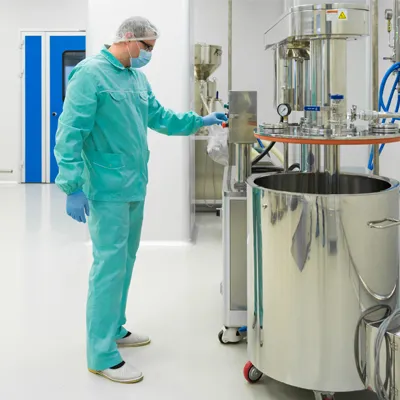
The pharmaceutical industry has higher regulatory and ethics compliance requirements, with the utmost super strategy being patient safety. Among the quality measures established to support this principle are several procedures in manufacturing protocols that have been developed to assist in this effort, aseptic processing is one of the most critical in ensuring this principle. Unlike terminal sterilisation procedures, aseptic processing is utilized on sensitive products that cannot withstand sterilisation, i.e., biological drugs, vaccines and ophthalmic solutions. Such products demand a sterile environment throughout the entire production process without a chance of getting away with mistakes. Aseptic processing is one of the fundamental responsibilities in a way that it determines the level of public trust in medicine.
With the growing need to provide quality sterile drugs, the world pharmaceutical environment has never been as competitive as it is today, driven by biological technological innovation, pandemics and personalised medicine as a force that has raised the bar, necessitating high-quality standards. This complexity, however, has exposed the users to more contamination.
1. Knowing Aseptic Processing
Aseptic processing refers to the practice of preparing sterile products in sterile packaging under an environment that is tightly controlled to ensure there is no contamination due to microorganisms. Unlike with terminal sterilisation where it can be done after packaging has been done, aseptic processing involves each of the components, the container, the closure and the drug product, to be sterilized individually and then assembled in a sterile environment.
This step is especially dangerous in regards to drugs that are sensitive to heat, pressure and irradiation. It includes the design of cleanrooms, the hygiene of people, sterilisation methods (e.g. filtration), air filtration, and careful environmental monitoring.
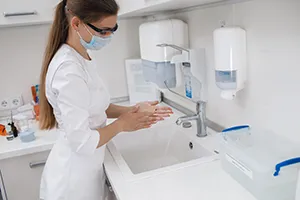
Aseptic processing rests principally on the concepts of microbiology, engineering, and risk management. Any single deviation- human error, filtration malfunction or air quality lapse- can spoil the whole batch and endanger patients and cost companies millions of dollars in recalls or legal sanctions.
2. It is a Matter of Patient Safety
The most dramatic reason to implement aseptic processing is the effect it has directly on patient safety. Intravenous medications, eye drops, and most of the biologics do not go through natural body defenses. Any contamination of these products by microbes can cause deadly infections, sepsis or even death.
3. Regulatory Review and Oversight
The aseptic processing is highly regulated by regulatory agencies like the U.S Food and Drug Administration (FDA), the European Medicines Agency (EMA) and also the world health organization (WHO).
Compliance is not simply a way to abide by the rules, but rather requires a thorough quality system. Manufacturers need to show control of the environment, training of the personnel, validation of the process, and monitoring. The deviations should be reported, observed and completed through root cause analysis and preventive measures.
Non-compliance with such expectations may result in warning letters, importation bans and recalls of products, which are harmful to reputations and supply chains. Contamination incidences happen frequently, even with small-scale contaminations leading to the expansion of the same into global health issues, which are quite common in this era of global goods production and fast spread.
4. Automation and Technological innovation
The aseptic processing is changing with technological improvement, making it easier to eliminate the human factor, which contributes to contamination the most. Isolators, restricted access barrier systems (RABS), and robotics are also being used to reduce direct human contact.
The innovation will provide healthier surroundings, reliable services, and reduced risk of contamination. Isolators, as an example, offer a safe, pressurized, and confined atmosphere in which filling and capping are performed with minimal external contact. They increase reproducibility and sterility assurance in combination with automated cleaning and sterilisation.
Furthermore, process control and predictive maintenance are getting better through the improvement in real-time environmental monitoring, data analytics, and artificial intelligence. The tools provide manufacturers with the ability to be proactive about deviations and guarantee a level of manufacturing consistency between batches.
5. Operational Problems and Human Factors
Despite the current developments in technology, aseptic processing is time-consuming and unreliable. Cleanroom procedures demand attention to detail so that gowning practices, movement within the area and aseptic procedures are rigorously followed.
The weakest link is the personnel. Other factors, such as fatigue, distraction, or complacency, despite the intensive training may result in the violation of the rules. The psychological and physical workload of being in sterile conditions, precision, and the necessity of doing so all increase its complexity.
In addition, the design of facilities, maintenance schedules and sterilization of equipment are to be arranged carefully. Production can be interrupted or sterility compromised by malfunctions of equipment, supply interruptions, or downtime.
Aseptic processing requires not only a technical ability but also the culture of accountability, vigilance, and continuous improvement.
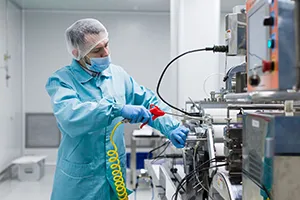
6. Risk management and control of contamination
Another critical aspect of aseptic processing is controlling contamination, and that is done through sound risk analysis systems like Hazard Analysis and Custom Control Points (HACCP) or Failure Mode and Effects Analysis (FMEA). These tools aid in detecting and hence preventing the points of failure before resulting in contamination.
Further, process simulation studies—also known as media fills—are carried out to simulate an actual process by using microbial growth media. A favorable media fill that is not contaminated is a good indicator that the aseptic processes are operating well.
7. The View from Global Health
Aseptic processing is not only important because it increases efficiency in industries, but it is also a public health issue. As the demand for vaccines, monoclonal antibodies, and cell and gene therapies increases, aseptic capacity needs to increase. The pandemic that took over the world in 2020 emphasized the need to increase the production of sterile injectable products to high levels.
In addition, developing countries have to contend with the following: lack of access to sterile manufacturing facilities, trained individuals and variability in enforcement. This discrepancy can increase inequality in health unless there is collaboration between countries, transfer of technology, and local manufacturing capacity.
The process of aseptic processing is therefore not just a technical procedure but also a brick on the wall of pharmaceutical equity in the world.
8. Future Outlook: Development of Sustainability (Continuous Manufacturing)
Because of the changes taking place in the pharmaceutical industry towards continuous manufacturing and personalized medicine, aseptic processing must change. The batch process manufacturing is also a production method that is now considered to be inflexible and resource-consuming. Aseptic manufacturing on a continuous basis will have short production times, footprint reductions in facility size and greater responsiveness with regard to the needs of the market.
At the same time, the environment is driving aseptic practices. Cleanrooms and HVAC systems require a lot of energy to operate, which is why this aspect of sterile manufacturing is reassessed in terms of sustainability practices. Smart design of facilities, air systems with energy-efficient designs, and waste reduction measures are now prioritized.
Although it presents new opportunities of improvement, new complexities of regulatory and operational issues emerge out of these trends. It is important to ensure that the new technologies are adopted to pave the way to the introduction of sterility assurance.
Conclusion
The aseptic processing is one of the most taxing and significant parts of pharmaceutical manufacturing. It is a combination of science, engineering, regulation and human behavior, all focused on one goal, that patients should get sterile, safe, and effective medications.
With emerging opportunities and challenges of opening new frontiers in the pharmaceutical industry through biologics, pandemics, global supply chains and sustainability imperatives, the significance of aseptic processing increases. It does not only have a technical nature but a moral one based on the obligation to save life.