


A New Era of Precision in Drug Discovery
The drug industry is experiencing a revolution, where innovation and accuracy have taken center-stage in the contemporary drug discovery. Difficulties that are traditionally addressed using trial-and-error methods are being overcome through data-driven methods that must be highly sensitive, specific and fast-acting. One of these technologies is mass spectrometry (MS) the highly effective analysis tool that has become one of the major enablers in all stages of drug development. Sometimes MS can change its analytical focus to the analysis of complex biological samples and offer researchers the in-depth detail of molecular information that is propelling the process of molecule to medicine like never before.
Understanding Mass Spectrometry
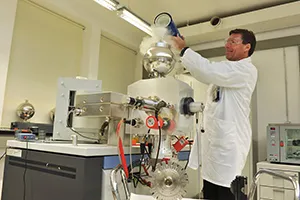
Mass spectrometry refers to an analytical method through which compounds are identified and quantified, corresponding to their mass-to-charge ratios (m/z). It is done by passing chemical compounds through an ionization process to break them into different m/z ions and finally determining them with a very high degree of accuracy. The sensitivity and resolution of MS make it stand out of the list because one can detect even minute amounts of compounds in complicated mixtures. When combined with chromatography (LC-MS or GC-MS), it becomes a workhorse in pharmaceutical analysis. MS has the ability to discriminate structurally close molecules, post-translationally altered proteins, and high-resolution tracking of metabolites, all properties important in drug discovery.
From Target to Therapy: MS across the Drug Development Pipeline
Mass spectrometry is extremely crucial in the drug development chain. At the early stages, it helps in identifying the target and validation by estimating proteomic and metabolomic changes during the disease states. In the course of lead discovery and optimization, MS is used to carry out high-throughput screenings, as well as significantly aid compound identity, purity and activity confirmation. During preclinical and clinical development of a drug, MS is used in the pharmacokinetics (PK) and toxicology and formulation research to ensure that a drug will behave appropriately in biological systems. It is accurate and flexible; thus, it is beneficial in bench-versus-bedside.
Biomarker Discovery and Validation: MS as a Diagnostic Partner
Biomarkers are quantifiable measures of biological processes or reactions to therapy and are mandatory in personalized medicine. It is common practice in biomarker discovery to apply mass spectrometry, especially in proteomics and metabolomics, where proteome, peptide, and metabolite components associated with disease are detected and measured. MS has the potential to unveil the difference in the expression by comparing the biological sample between healthy or diseased individuals and thus the potential biomarkers using the expression patterns. Moreover, MS also facilitates biomarker validation with reproducible, quantifiable analysis, which allows pharmaceutical companies to do companion diagnostics and stratify patient populations to make more effective clinical trials.

Enhancing Pharmacokinetics and Metabolite Profiling
Pharmacokinetics is a branch of pharmacology which describes how the body absorbs, distributes, metabolizes and excretes a drug. It is important as a quantitative measure in accessing its effectiveness and safety. Mass spectrometry is very much useful in ADME (Absorption, Distribution, Metabolism, and Excretion) studies where parent drugs and metabolites could be detected sensitively in biological fluids. The MS-based approach enables fast and multiplexed quantification of drug concentrations at intervals and is useful in optimization of dosing and bioavailability studies. MS is useful in the elucidation of drug biotransformation pathways in metabolite identification, revealing potentially active or toxic metabolites that may affect therapeutic effects or possible regulatory approval because of their presence within the metabolite profile.
Accelerating Quality Control and Regulatory Compliance
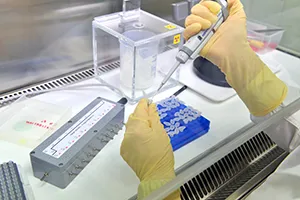
When a drug candidate is introduced to manufacturing, however, quality control (QC) is the highest priority. Mass spectrometry makes sure that the same batch is consistent and identifies impurities as well as controlling over the chemical identity of the active pharmaceutical ingredient (API). Regulatory bodies like FDA are now becoming dependent on MS data in new drug applications especially in profiling impurities, stability testing as well as in contamination analysis. Due to the high specificity and sensitivity provided by MS, it covers the rigorous aspects of Good manufacturing practice (GMP) and shortens the process to regulatory approval by reducing quality-related delays.
Integrating MS with AI and Omics Technologies
Artificial intelligence (AI) in MS Drugs New drug discovery avenues are opening up through this combination of MS with artificial intelligence. The large and complex files that are created by MS can be processed through the AI algorithms to establish the latent patterns and correlations in the data of proteomic and metabolomic data. Combining omics technologies, e.g., genomics, proteomics, and transcriptomics, with MS is used to create detailed maps of the biology that result in the discovery of targets, disease modelling, and how drugs work. This combination of technologies can lead to predictive modelling, smarter choices, and the development of more targeted, effective therapies.
Barriers and Prospects for the future
Amidst its numerous benefits, mass spectrometry has its disadvantages, which include: data complexity, their exorbitant cost, and skilled operators. The data of MS need strong bioinformatics tools and curated databases to analyze. Miniaturization of and auto-MS platforms to more widely enable point-of-care measurement and field assay are also being advanced. This has made new advances in MS such as ambient ionization methods, single-cell MS and miniaturized portable instruments, likely to extend the applications of MS in drug discovery. As the practice of AI and machine learning becomes integrated more often, a quicker, more predictive, and even less expensive workflow on MS is the future that lies ahead.
Conclusion
Mass spectrometry has become a mandatory part of drug discovery and development industry given its unparalleled amount of accuracy, sensitivity, and versatility. Whether it is disease biomarkers or regulatory compliance of drugs, MS strengthens every part of the pipeline. It will only become increasingly dynamically intertwined with the human genome, particularly with such technologies as artificial intelligence and omics, and, in that way, it will enable more rapid, accurate, and personalized innovation in drug development. As advancements continue, mass spectrometry will stay at the forefront of the next generation of research and development of pharmaceuticals.