

Chromatography, a foundation stone of drug analysis, is traditionally known for its role in drug growth, quality assurance, and impure profiling. However, the utility is far ahead of the drug laboratory. In forensic sciences, the same chromatographic technology as high-performance has fluid chromatography (HPLC) and gas chromatography-mass spectrometry (GC-MS) used to highlight the significant evidence of the criminal investigation. Regardless of whether the analysis of toxins in biological samples or certifies suspected false medications, chromatography provides a powerful bridge between drug stiffness and forensic examination. This intersection not only exposes the versatility of chromatographic science but also opens the route to innovation and interdisciplinary cooperation.
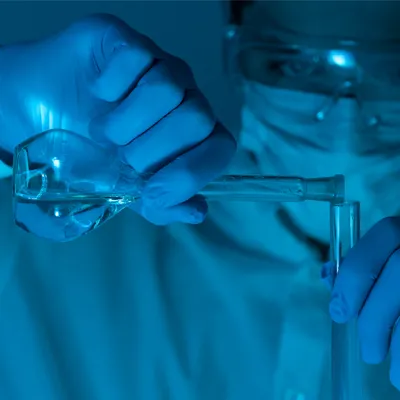
Bridging Pharma and Forensics
Forensic toxicology shares a stunning variety of overlaps with pharmaceutical analysis. Both depend on separating and identifying additives in complicated combos, frequently found in trace quantities. The identical chromatographic structures used to validate a drug’s purity or study its pharmacokinetics are adapted by using forensic labs to study proof like blood samples, powders, or fire debris.
Key Applications in Forensics:
1. Toxicology and Drug Abuse Testing
Just as pharma scientists display drug metabolism and bioavailability, forensic experts use chromatography to identify and quantify pills in bodily fluids. High-Performance Liquid Chromatography (HPLC) and Gas Chromatography-Mass Spectrometry (GC-MS) are the gold standards in both domains. In forensics, they assist pick out whether someone became underneath the impact or maybe poisoned.
2. Fake Drug Identification
The rise of fake drugs is a public fitness difficulty and a crime. Chromatographic techniques, specifically blended with MS detection, can distinguish proper prescription drugs from counterfeits by using studying their energetic pharmaceutical substances (APIs), excipients, and degradation products.
3. DNA and protein analysis
Advanced forms such as capillaries, electricist, and LC-MS/MS, are usually used in Pharma R&D, now part of forensic workflows. They are used in biological frameworks from identifying proteins in tissue samples to analyzing track DNA, to helping criminal identity and suffering profiling.
Why Pharma professionals should care
Shared technology: The same chromatography units and methods are used in both regions.
The distinction between the industry: Pharma Scientific forensic with chromatography competence is quickly valuable in forensic cooperation.
Innovation driver: Advance in chromatography, such as rapid HPLC system or high-sensitivity detector, benefit from both drug development and forensic casting.
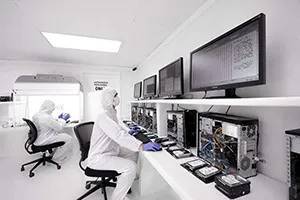
Forensic Chromatography: Innovation and Application
Modern forensic science depends much more on a variety of chromatography methods to detect issues, toxic science and evidence. Recent technological progress has significantly improved the connection and significantly improved the connection, playing an important role in criminal investigation.
Planning chromatography, especially thin -layer chromatography (TLC), is still a practical and affordable tool in forensic laboratories. It is often used to analyze ink, dyes and similar substances, especially in cases that detect questioned documents or counterfeiting.
An emerging technique, combined with high performance thin layer chromatography spectrometry (HPTLC-MS), has shown a promise to a quick identity of both illegal and prescription medicines in biological samples. Calculated methods have shown the ability to detect substances such as citalopram, midazolam and chlordiazepoxide, proving the value of toxic evaluation.
Gas chromatography (GC) is a cornerstone of forensic science to analyze volatile substances. When the pulp is combined with spectrometry (GC-MS), it usually becomes a powerful tool for detecting medicines, poison and accelerator pedal that occurs in the fire foundation test.
Forensic society has also begun to detect volatile organic compounds (VOC) associated with human degradation. These VOCs, which show the ability to support the medical death probe, as a result of the activity of bacteria after death.
A remarkable development in the region is to use two-dimensional gas chromatography (GC × GC), which provides sensitive resolution and sensitivity by detecting time-specific VOC profiles sent out of different bacterial species.
For non-volatile or thermal unstable compounds, height demonstration fluid chromatography (HPLC) is usually used. Recently, ultrahigh performance fluid chromatography has become a favorite approach in connection with tandem mass spectrometry (UHPLC-MS/MS), which produces rapid results, greater resolution and elevated sensitivity.
In forensic analysis, both HPLC and UHPLC are now widely used to identify and determine controlled substances in complex biological matrix.
Chromatography also contributes significantly to forensic ballistic, especially in the study of organic components of the shooting residents (also). These substances produced from powder additives, such as softeners and stabilizers, can help detect the distance to ammunition and the shooting spacing.
Through the use of UHPLC-MS/MS, analysts have successfully identified large and also associations such as ethylsentral, dipenilamindin derivatives and nitroglycerin. The better sensitivity of this method supports the more accurate pistry coupling and shoots visual reconstruction.
Challenges and new trends in forensic chromatography
Forensic chromatography faces several obstacles, including the fall of the sample, the risk of contamination and the complexity in the interpretation of data. To support effective probes, it is necessary to produce fast and very accurate analytical results on the site.
Recent progress in artificial intelligence (AI) helps solve some of these challenges by increasing the effectiveness of chromatographic data analysis. AI-operated equipment has the ability to increase accuracy by reducing the possibility of false positivity and negative.
By integrating AI into the current forensic testing of workflows, the general process can be faster and more accurate. In addition, data transfusion methods (DF) that connect the output to different sensors and further increase the reliability and accuracy of forensic assessments by reducing errors.
Another important growth that is portable is to use increased growing chromatography devices, which are particularly useful in the field analysis of substances such as illegal medicines.

Conclusion:
Chromatography is more than just one tool for Pharma Labs. In forensic, this often helps to make invisible chemical data into action-rich evidence. From identifying unknown drugs to monitoring drug abuse or to solving high-day criminal cases, chromatography ensures that science clearly speaks in court.
Whether you are in R&D, a regulator, or quality assurance, understanding this intersection of technology expand your scientific perspective and probably also provide ideas for innovation in your own field.