The end process between pharmaceutical innovation and patient healthcare management in the high-risk industry is sterile fill-finish. Drug discovery and development usually receive more attention but sterile fill-finish now stands as the vital stage because therapeutic options are becoming both intricate and time-sensitive. Sterile fill-finishing has transitioned from its technical nature to become a vital strategic approach because of biologic innovations and personalized medicine development as well as learning from COVID-19 experiences. The industry needs to change through flexible processes and cooperative efforts and continuous innovation because demand grows rapidly while regulators closely watch activities. The current period marks the expansion of fill-finish processes from conclusion point to starting point for assuring trust, safety along with medical treatment delivery.

The Pharmaceutical Market Requires More Sterile Fill-Finish Services Because of Increased Need:
One of the most important drug manufacturing processes known as sterile fill-finish services receives major attention in modern pharmaceutical development. Drug production concludes with sterile fill-finish because it requires exact vial or syringe drug filling along with aseptic conditions. Its importance? Nothing short of life-saving.
Advanced sterile fill-finish solutions require continuous investment because biologics and biosimilars together with monoclonal antibodies and cell and gene therapies and vaccines have driven unprecedented market growth. The sensitive nature of such products as well as demanding requirements for contamination prevention mandates that sterile processing services must remain at the highest possible standard.
Recent global events such as COVID-19 allowed fill-finish to demonstrate its vital role in worldwide operations. The global medical provision achieved seamless vaccine and treatment distribution through the establishment of this system as its fundamental support. The pandemic recovery phase has not reduced the speed of advancement in the field. The market shows ongoing explosive growth due to increasing regulatory requirements and patient-specific medication needs as well as modern flexible production models.
Medical drug companies together with smaller developing biotechs now prefer to use Contract Development and Manufacturing Organizations (CDMOs) for their fill-finish operations. Why? The practice of outsourcing combines the relief of capital infrastructure expenses for sterile manufacturing capabilities together with access to advanced technologies and specialized knowledge that includes isolator-based filling and single-use systems and advanced lyophilization platforms.
The FDA and EMA have reinforced their standards for quality and compliance which forces businesses to implement top-tier practices in aseptic processing. CDMOs who maintain superior sterile fill-finish capability and combined with strong quality platforms and adaptable production platforms now experience extraordinary market demand.
Technological Advancements in Fill-Finish Operations:
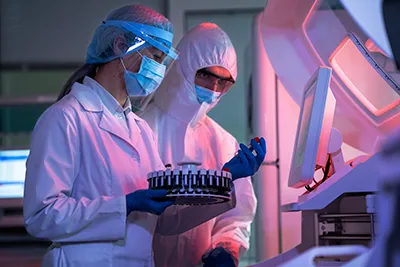
During pharmaceutical manufacturing the fill finish stage functions as an essential operation for filling medications through containers before shipment distribution can proceed. The fill-finish stage acquired extraordinary technological development to boost both manufacturing pace and precision standards throughout the years. The most substantial advancement in pharmaceutical technology involves substituting fundamental manual work with intelligent automated equipment for dependable outcomes and minimal contamination risks and superior product security.
Two key components found in modern fill finish lines include robotic systems and advanced sensors which actively track real-time parameters and quickly adjust setpoints. Through these advancements the filling volume precision improves while waste elimination occurs. Single-use technologies experience growing demand mainly in biologics manufacturing because they help eliminate cleaning tasks and decrease cross-contamination hazards. The process becomes both financially efficient and adjustable because of these improvements especially when producing small batches and individualized medications.
Data analytics together with artificial intelligence constitute a critical boundary when used for operational optimization. Predictive maintenance tools help manufacturers detect future equipment breakdowns in advance thus decreasing the amount of time equipment stays inactive. Industrial analytics empowered by AI identifies system patterns to generate recommendations that enhance operational efficiency in a constant manner.
Advanced isolators when used with restricted access barrier systems help redefine sterile manufacturing because they establish controlled environments which require minimal human contact. The system improves product sterility through its process while maintaining high regulatory requirements.
The evolving pharmaceutical field requires sophisticated drug products so these technological developments in fill finish operations help pharmaceutical companies fulfill quality standards and market requirements. The manufacturing industry will see additional technological integration during future years which will lead to sharper and faster manufacturing approaches.
Flexible Capacity and Small Batch Capabilities:
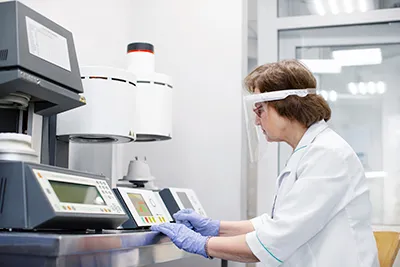
The pharmaceutical industry along with other businesses have adopted small batch production as a transformative approach to create precise amounts of specific products. Manufacturers need flexible manufacturing systems alongside quick production switches which permit operations among different formulations or product kinds. The medical field specifically demands flexible production systems because pharmaceutical companies require flexible platforms to handle complex small batch pharmaceutical product manufacturing.
The rising awareness about sustainability creates this trend. Small production runs enable producers to decrease environmental waste output and prevent manufacturing beyond customer demand while facilitating created products that maintain sustainability standards. Digital technologies such as additive manufacturing combined with automation have accelerated this movement because they both provide precision manufacturing at affordable costs and shortened times to market for small-scale production.
These capabilities will continue attracting industries which will drive the trend's expansion. Organizations put money into intelligent manufacturing platforms and innovative systems to develop their flexible production attributes. The manufacturing industry evolution drives better market response combined with custom product development and accelerated production and streamlined operational processes throughout all sectors. Flexible capacity together with small batch capabilities allows companies to manage unknown situations and address rising market demands because of operational dynamism in contemporary business environments.
Innovation in Aseptic Filling Technologies:
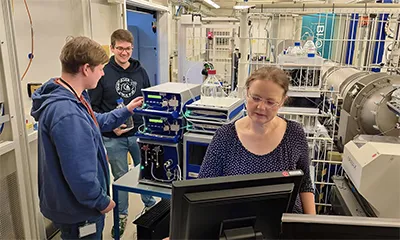
Aseptic filling technologies within the pharmaceutical sector experience a major transformation through development techniques which boost operational output while securing contamination-free production and protecting medical products' quality. Aseptic filling stands as a vital production process for injectable drugs and vaccines along with biologics that demands absolute precision to stop contaminants. Manufacturers are implementing advanced solutions which fulfill regulatory requirements at the same time they reduce human involvement as global demand boosts for sterile injectables and biologics continues upward.
Modern manufacturing incorporates automation together with robotics as a primary industry trend. The combination of modern technologies allows process filling operations to speed up while delivering improved accuracy through reduced human mistakes. Aseptic filling lines use automation to execute intricate procedures of vials and syringes and cartridges which leads to enhanced precision during production while minimizing operational stoppages. The expansion capability of production benefits from this technology as it lets pharmaceutical manufacturers better serve global requirements for essential medications.
Single-use technologies (SUT) continue to become more popular as an industry trend. The process of utilizing disposable elements including filters and transfer lines with bags has become a common solution for pharmaceutical filling systems to prevent contamination and lower operational maintenance periods. The simplified manufacturing procedure together with price reductions creates favorable conditions for small to medium manufacturing operations.
Innovative aseptic filling technologies will guide sterile drug production into a safer and faster and more sustainable era to deliver highly effective treatments for worldwide patients.
Patient-Centric Drug Delivery Trends:
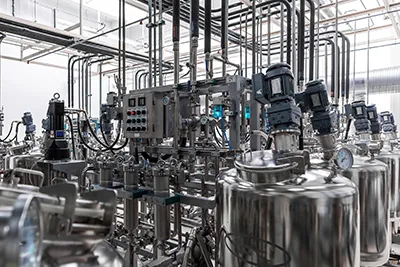
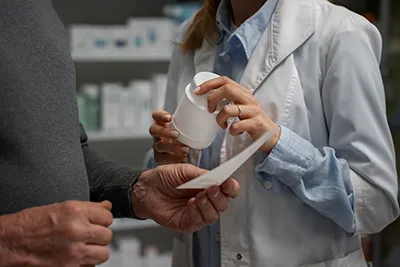
Drug delivery systems today prioritize patient-centricity because they want to create better patient comfort combined with improved compliance and treatment effectiveness. Therapy delivery through a patient-focused approach begins by designing treatments based on each patient's particular attributes including their age group as well as lifestyle preferences and active medical condition along with personal preferences. The field of pharmaceutical delivery systems advances through methods that create simpler dosage methods and cut down administration frequencies in addition to reducing treatment side effects.
Builders concentrate on sustained-release and targeted delivery systems because these methods provide controlled drug delivery to specified action sites which optimizes therapeutic outcomes and reduces unwanted side effects. The healthcare sector is adopting transdermal patches and implantable devices and microneedle systems as medical innovations that serve chronic disease patients like diabetics and heart disease patients through less invasive approaches while improving medication adherence rates.
Biologics together with nanomedicine actively influence the development of patient-centric treatment strategies. Through nanocarriers and liposomes together with polymeric nanoparticles healthcare professionals can achieve accurate drug delivery and gradual medication release which boosts drug availability and minimizes harmful side effects.
The Implementation of Advanced Therapies Requires Addressing Various Matters:
Modern medicine faces a revolution from advanced therapies consisting of cell therapy together with tissue-engineered products and gene therapy. The therapeutic approaches supply both treatment services and possible cure solutions for medical conditions previously considered untreatable including rare genetic diseases and various cancers and degenerative conditions. The transition process from laboratory research to clinical application faces major complexities during the development of these innovative therapies. People working in various life sciences fields need to understand and solve the specific challenges of advanced medication systems because it creates both protection requirements and developmental opportunities.
The production and scaling up processes represent the most substantial obstacle in this discipline. The delivery technique of advanced therapies depends on cells and genetic material that manifest natural fragility and variability properties. The process standardization across different batches along with safety, purity and potency testing remains a demanding achievement to achieve. Scaling up from small-scale laboratory production needs both expert personnel together with specialized facilities and significant monetary resources for moving to clinical and commercial manufacturing. The process of development turns out to be both more costly and takes longer to bring to market.
After developing the product the pharmaceutical industry faces the difficulty of conducting clinical trials. Patient recruitment proves challenging since the conditions handled by advanced therapeutic treatments remain scarce. Advanced trial layouts should use adaptive protocols and collect real-world evidence to monitor extended duration and safety parameters because of cumbersome assessment procedures. Complete ethical transparency must exist when informing patients together with regulatory authorities and the general public about the methods of gene editing and cell modification.
Other obstacles lie in securing access to markets alongside reimbursement of costs. The development and manufacturing expenses for advanced therapies create extraordinarily high costs that lead to remarkably expensive prices. Payment approval from healthcare providers requires advanced health economics information and inventive pricing methods including outcome-based payment models or annuity payment structures. Long-term cost-effectiveness along with clinical efficacy both need proof by stakeholders.

Conclusion:
Modern drug manufacturing depends heavily on sterile fill-finish services because pharmaceutical pipelines become progressively more complex and individualized. Production strategies evolve because of recent developments in sterile technologies together with flexible capacities and delivery systems which focus on individual patients. CDMO partnerships with strategic planning as well as innovative solution implementation become essential for handling future healthcare needs efficiently through safe delivery.