


A vital medical device becomes contaminated by invisible microbes during production, which renders it useless even before its intended patient use. The case demonstrates why bioburden testing functions as the primary measurement of sterility assurance in pharmaceutical manufacturing of both pharmaceuticals and biotechnology output and medical devices. Through bioburden testing, the identification of microorganisms provides protection against errors that occur in sterilization, along with eliminated product recalls and minimized public health consequences. Accurate results in bioburden assessments require more than just proper technique because culture building for precision and continuous observation, and tight contamination management protocols must also exist. Every element within sterile labs, along with skilled personnel, functions as a critical components that protect bioburden assessment reliability.
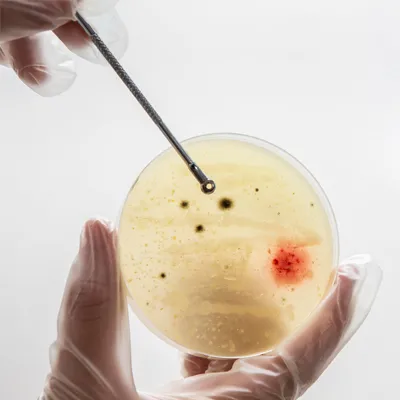
Bioburden Testing in Industry:
The pharmaceutical industry together with medical device and biotechnology sectors use bioburden testing as their primary method to determine viable microorganism counts on products before sterilization procedures. Manufacturers use this test to determine microbial contamination levels of their products and production components to verify that their sterilization methods work effectively and adhere to safety regulations.
The main value of performing bioburden testing derives from its ability to support quality control activities and risk management measures. Companies can use microbial contamination analysis to pick suitable sterilization techniques and confirm the effectiveness of those processes in reaching safe microbial levels. The medical device and pharmaceutical industries require strict adherence to patient safety standards since any amount of microbial contamination can result in patient infections or damage product quality.
Bioburden testing happens throughout production stages starting from the evaluation of raw materials that proceed into the evaluation of in-process items until finished goods receive testing. The standard protocol starts with putting the product into a sterile solution either through rinsing or immersion before the mixture is filtered to count colony-forming units (CFUs). Following data collection analysis can reveal general patterns and particular sites from where manufacturing environment contamination occurs.
The FDA together with ISO establish particular guidelines for bioburden testing through their document ISO 11737 which details methods to determine medical device bioburden levels. The successful approval of products together with access to markets requires strict adherence to these standards.
Preventing Contamination Requires Best Practices in Sample Handling:
The handling procedure must be free from contaminants because such contamination disrupts scientific evaluation integrity thus producing false testing data and unsound findings as well as regulatory infractions. Strategies to prevent contamination represent an essential requirement for both research validity and quality standards within clinical laboratories as well as environmental studies pharmaceutical research and food testing.
Personal Protective Equipment (PPE): Laboratories must defend against contamination through the correct implementation of Personal Protective Equipment (PPE) which includes gloves along with lab coats and masks and hairnets. A worker must put on PPE before getting into a controlled area to reduce the chance of testing materials getting contaminated between samples.

Sterile Equipment and Tools: All container ware together with pipettes and tools must remain sterile while using single-use methods whenever appropriate. Any reusable equipment requires thorough cleaning before its autoclaving or appropriate sterilization procedure. Pre-packaged sterile materials provide protection from external contamination because they are supplied ready-to-use.
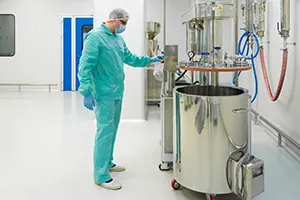
Controlled Environment: Working conditions must be controlled through the use of cleanrooms such as laminar flow hoods or clean benches before attending to low-concentration or sensitive samples. The preservation of environmental integrity depends heavily on surface disinfection during regular cleaning and strict cleanroom procedure follow-up.
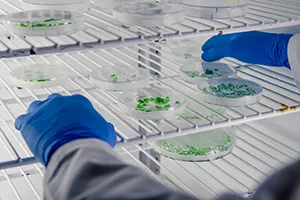
Proper Sample Labeling and Segregation: Proper Sample Labeling and physical segregation of such materials through clear labels assists in avoiding mix-ups while blocking accidental contact with samples. Samples must be separated at all times since they should be stored or processed at different locations.
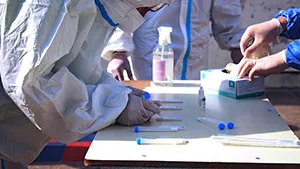
Training and Documentation: Continuous training for personnel includes proper practices of contamination control. Proper records about how samples are handled along with records about equipment maintenance and environmental conditions ensure complete accountabilities and traceability.
Environmental and Equipment Controls Ensure Full Sterility:
The preservation of sterile conditions remains essential for operating areas in pharmaceutical production sites as well as biotechnology laboratories and surgery healthcare facilities. The process of guaranteeing sterility requires tight restrictions on equipment and environmental monitoring to stop any form of potential contamination which might endanger product quality or patient wellness.
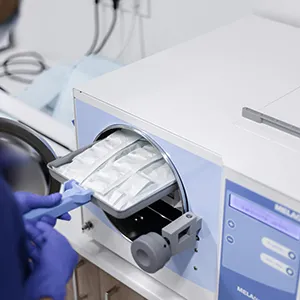
Equipment control starts with material selection that works with autoclaving, dry heat and chemical sterilants. Instruments together with tools required sterilization before their first application and they need regular validation procedures for sterility testing. Regular maintenance combined with calibration of sterilizing equipment especially autoclaves and UV cabinets must be performed to guarantee consistent performance results. Minimization of contamination risks is achieved through using single-use supplies designed to remain sterile.
The behavior patterns of personnel directly affect the quality of the operations. Staff members need to follow specific gowning protocols together with proper use of personal protective equipment or PPE and execute sterile procedures for minimizing contamination risks.
Laboratory Personnel Require Specialized Training and Competency Standards:
Training alongside competence levels of laboratory personnel directly affect how accurate and reliable laboratory operations remain together with ensuring their safety. Laboratory staff who receive proper training demonstrate significant importance when upholding high-quality laboratory practices and achieving regulatory compliance while upholding test result integrity.
The first step of laboratory personnel receiving training incorporates both the facility's policy introduction as well as safety protocol education and quality management system overview. Laboratory personnel receive theoretical and practical instruction about particular laboratory procedures together with equipment handling knowledge as well as data management practices during their initial training. The establishment of basic training lets personnel gain understanding about the standard operating procedures which correspond to their responsibilities.
After completion of the initial training students undergo competency assessments at regular intervals to prove their ability to keep essential skills along with needed knowledge. The assessment procedure includes multiple assessment methods such as direct observation and written examinations and proficiency testing and evaluation of regular work. The testing process helps find training deficits while simultaneously consolidating the implementation of best practice requirements.
Supervisors together with senior scientists provide directed support to personnel at various levels while developing a work environment which emphasizes quality improvement. At the laboratory quality assurance system maintains records of training and assessment results for competency that undergoes internal audits as well as external audits.
Validated Methods and Quality Assurance Procedures are Key to Successful Operations:
Every scientific, industrial, and technological process requires reliable outcomes through the implementation of validated methods in combination with an established strong quality assurance framework. To receive validation status methods require comprehensive testing, which demonstrates achievement of predetermined requirements for accuracy in addition to precision and specificity, and robustness. Standardized operation protocols that document their procedures enable consistent results across different environment conditions.
Organizations seeking to put validated methods into practice should create or acquire procedures which meet established industry requirements and regulatory standards. The development of methods precedes tests which undergo structural analysis with statistical procedures to assure consistent delivery of acceptable results. Documentations serve a key function to maintain both valid test recording and ability to reproduce tests.
Quality assurance functions as an addition to validated methods by establishing continuous pathways to observe and direct processes. QA enables continuous execution of operations through standard operating procedures (SOPs) and regulatory requirements as well as internal quality systems. The system requires scheduled inspections along with device calibration checks and staff education and quality control assessment at every step of the process.
Testing Protocol Demands Ongoing Monitoring and Quality Assessment:
Quality assurance strategies require this element as a substantial component for their success. All development and production environments require testing protocols to transform annually to meet emerging technological needs along with changing user expectations. The system maintains its reliability together with its efficiency and purpose alignment through these measures.
To perform adequate monitoring start by systematically collecting data from testing sessions and analyzing this data. Current protocols require assessment using performance indicators which include defect detection rate along with test coverage and test case effectiveness and test execution time to measure their precision and effectiveness. Real-time information monitoring tools supported by automated systems make the process more efficient through automated insight generation and report generation capabilities.
Continuous improvement depends heavily on feedback loops for its success. A continuous review process should evaluate the gathered insights from testing teams and developers as well as end-users and stakeholders. The evaluation of system weaknesses and protocol limitations occurs through post-project analysis of defects alongside failure root cause investigations. Testing strategies need to update based on received feedback through the implementation of test case refinements in addition to new testing methods like exploratory or risk-based testing and testing automation system enhancements.
The continuous improvement process requires an organization to monitor both best practices in the industry and technological developments together with regulatory updates. Training sessions supported by knowledge-sharing activities allow the testing team to maintain updated skills and access modern tools. Protocol updates go through step-by-step implementation phases and pilot tests that confirm alterations before putting them into general use.
Conclusion:
Regulatory agencies require bioburden testing because it serves as both a protective measure for public health safety and as a mandatory requirement. Laboratories achieve higher accuracy and reliability in testing through strict contamination prevention execution coupled with environmentally sterile facilities and equipment together with thorough personnel training with ongoing protocol development methods. The implementation of proactive measurements ensures healthcare product integrity by providing protection for patient lives.