Nasal Delivery of Spray Dried Biologics: Opportunities and Challenges
Introduction
Delivery via nasal rout offers a number of benefits over some of the traditional routes of administration for both small molecules and larger biologics. Advantages include rapid delivery into the bloodstream, avoidance of first pass metabolism, the ability to self-administer and the potential of direct delivery into the brain/CNS.
Interest in nasal delivery of Biologics has been fuelled by the emergence of new dry powder devices, specialized excipients and the use of spray drying to engineer stable dry powder products containing sensitive biologics.
Nasal anatomy and Barriers to Delivery
For ease of reference the nasal anatomy can be broken down into three key delivery target areas shown in Figure 1 and Table 1 below
Figure 1 Schematic showing nasal anatomy
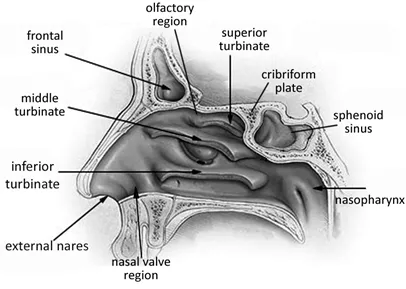
Table 1 Potential Nasal Targets for nasal Delivery of Biologics
| Target Area | Description | Examples of Candidate Molecules |
| Turbinates | Largest (approximately 130 cm2) and most vascularized part of the nasal cavity. Prime site for systemic drug absorption after nasal administration | Drugs for fast, systemic release eg rescue drugs, pain relief and neurological conditions that require frequent self-dosing |
| Olfactory Region | Small fraction (≤10 %) of the nasal cavity, Contains olfactory sensory neurons, a potential route for direct-to-brain/CNS delivery | Biologics that treat conditions in the brain that cannot cross the blood-brain barrier by traditional administration routes |
| Nasopharynx | Contains nasopharynx-associated lymphatic tissue (NALT), part of the mucosal immune system, acts to prevent infection | Vaccines, immune stimulators, typically peptides, oligonucleotide based biologics |
The surface of the nose offers a number of barriers that must be overcome; summarized as follows
Mucus Layer Primarily composed of mucin polysaccharide, creating a negative charge which can slow down drug diffusion.
Mucocilliary Clearance, removal system that uses motile cilia to constantly sweep mucus and trapped particles out of the cavity.
Nasal Epithelium Tight junctions in the epithelial layer are hydrophilic and generally impermeable to many drugs. Typically allows passage of molecules up to 1000 Da, larger molecules require permeation enhancers.
CNS Delivery Intracellular and extracellular routes can be utilised after targeting of neurons in the olfactory region.
Download '.pdf' Format of the whitepaper.