Advancements in Biologics: Innovations and Regulatory Challenge
Debi Jones, Editorial Team, Pharma Focus America
Smart packages are changing the approaches to disease treatment with products such as monoclonal antibodies, gene and cell therapies, biosimilars. These advancements offer new therapies, yet they impose rules, navigating clinical trials and biosimilar procedures. Future advances will require the use of Artificial Intelligence and precision medicine in order to improve the lot of patients and their outcomes.
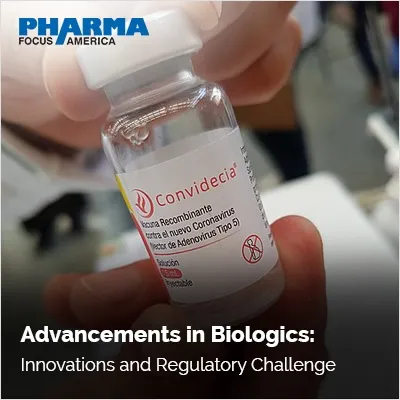
Understanding Biologics
Biologics are highly specialized products of biological processes, involving proteins, antibodies and vaccines. While the former has been chemically synthesized, the biologics are manufactured by employing biotechnology techniques, using living cells and microorganisms. Due to polymorphism, dendritic cells are involved in the treatment of diseases such as cancers, autoimmune disorders and infectious diseases among others. Owing to their structure as well as their origin from biological products, their possibilities and difficulties in medicine are rather entirely different.
Innovations in Biologics
Novel improvements in the development of biologics are changing the way in which disease management is being approached. Perhaps one of the major advances that have occurred is monoclonal antibodies (mAbs). These are artificially synthesized small structures capable of interacting with certain ‘marking receptacle’ on cell surfaces to enable the immune system to home in on nasty cells. For example, in monoclonal antibodies which are different from normal antibodies and antibodies and their use has transformed cancer by pinning it to specific cells and thereby not affecting other cells.
There are always innovations that surface with time, and that of gene and cell therapies is one of them. Gene therapy is the medical technique which consists in introducing, modifying or deleting the genetic material present in the patient’s cells, for therapeutic purposes. For instance, gene therapy is applied to change the mutations that cause inherited diseases. Cell therapy Also referred to as tissue engineering involves the use of live cells to replace damaged tissue in the body through an implantation process that will be briefly discussed under stem cell therapy below. These therapies suggest that several diseases which hitherto could not be treated have cure.
In addition, ‘biosimilars,’ approved in the United States and highly similar to originally approved biologics, are increasing treatment affordability. They are similar to generic drugs in the sense that they are substitutes of brand-name drugs; however, they are not as similar as generic drugs in terms of safety, purity, and potency that are entirely similar. It is necessary to note that biosimilars lead to cost decrease and, therefore, enhance patients’ access to essential biologic therapies.
Regulatory Challenges
The fact that biologics are novel products, creates some regulatory issues that were not observed in other classes. The molecular nature of biologics implies a number of factors which make biologic production processes rather intricate and likely to differ from one producer to another. This is an area that cannot afford to relax standards for consistency and quality – and so naturally, it needs a lot of regulation.
For this reason, depending on the complexity of the biologic, it may take the regulatory bodies such as the US Food and Drug Administration (FDA) and the European Medicines Agency (EMA) some time to evaluate each biologic to allow it to be approved.
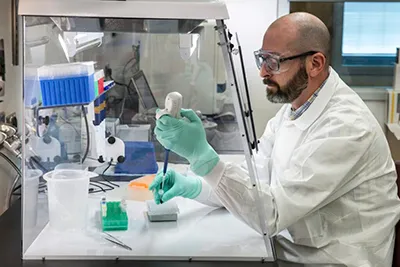
One of the most significant regulatory concerns addressed in the case is the question of appropriate clinical trial. Owing to the sensitivity and policy of biologics, proving efficiency and safety of the substances often entails conducting bulky and time-consuming trials. Such trials have to demonstrate that the biologic does what it is designed to do and no newly discovered adverse effects.
One of the issues is the question of biosimilars’ regulation. While biologics are fairly indistinguishable from branded versions, establishing that a biosimilar is ‘highly similar’ without conducting clinical trials for each aspect of the drug can be challenging. There is a need for regulatory authorities to bring into equation performance measures that will enable biosimilars meet the safety and efficacy of reference products while at the same time allowing for streamlining of the approval procedures.
Further, there are concerns regarding the grant of patents and other intellectual property rights for the biomedical products especially the biologics. While biosimilars can be protected through patents, this can sometimes hinder competition and prices in as far as entry thereof into the market is concerned.
Future Directions
In prospect, the field of biologics will remain progressive as well. The current trends state that the application of the new technologies, for example, artificial intelligence and machine learning, are being implemented in biologic research and development. Such technologies can help to speed up discovery of new biologics and gearing of clinical trials; contribute to the successful application of the personalized medicine concept by basing it on the patient’s genetic characteristics.
Biologic developments in the future are anticipated to result from increasing focus on precision medication which is designed in a way that it caters to a patient customarily characterized by his/her unique genetic, environmental, and lifestyle profiles. There are also fresh biologic therapies under development and research; enhanced Gene editing approaches and subsequent generation vaccines, which hold potential to treat conditions that were beyond the realm of treatment before.
Conclusion
Biologics are revolutionary to the medical field, and the biologic agents are new therapies for tough and difficult diseases. Despite their tremendous potential, these innovations also raise serious problem-solving questions on the regulatory aspects necessary to guarantee safety, efficacy and availability of biologics to the patients. More advances in technology and research will come as biologics are constantly being developed to provide advanced and new solutions to promote a healthier population.

Debi Jones, Editorial Team at Pharma Focus America, leverages her extensive background in pharmaceutical communication to craft insightful and accessible content. With a passion for translating complex pharmaceutical concepts, Debi contributes to the team's mission of delivering up-to-date and impactful information to the global Pharmaceutical community.