

Biotech Boom: How Startups are Driving U.S. Pharma Growth
Kate Williamson, Editorial Team, Pharma Focus America
An array of biotech start-ups in America are transforming the pharmacovigilance industry through novel technologies such as CRISPR, Artificial Intelligence, and Precision Medicine. Supported by funding, collaborations as well as enabling ecosystems they are solving clinical needs, expediting the drug development and fuelling economic development. Nevertheless, their achievements place the United States in an avant-grade in terms of innovative medical options.
Introduction:
This is yet another promising trend, totally unprecedented, successfully shaping the direction of the biotechnology industry and bringing revolutionary changes to the pharmaceutical market in the United States. Startups are the main actors that drive this change because they possess innovative and more flexible business models. Collaborating, Adopting Innovative Technologies, and addressing unmet medical wants, contemporary biotech startups are reinventing therapeutics. Below is a detailed feature about these fast moving companies and how they are helping to grow the pharma sector in the United States.
The Rise of Biotech Startups
Over the last decade the developments in technology as well as the access to funding has paved way for the biotechnology start-ups of the post genomics era in several locations in United States. Some of these players are startups while others have originated from scientific discovery, entrepreneurship, or venture capital firms, with the goal of creating new solutions for medical problems.
This mainly because while large chemical organizations are bureaucratic in their operations, they are challenged by a different set of problems unlike the traditional pharmaceutical companies, startups are formed new innovative thinking teams and are agile as compared to the large firms. It helps them find revolutionary approaches, from gene work to patient specificity, which such innovation industry deemed too dangerous or intricate.
Key Drivers of the Biotech Boom
1. Technological Advancements
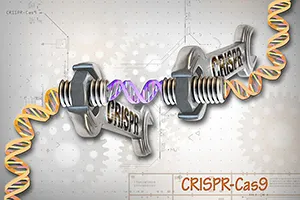
Technological advances like CRISPR for gene editing, artificial intelligence and next gen sequencing has shaken the drug discovery and development world. These tools are being adopted in the young biotech firms, which develop disease-lying therapies that propel the creation of precision medicine.
2. Increased Funding
Technology and new ventures investors, government and grants, and private equity investments have committed billions of dollars in biotech startups. For instance, biotech startups in the United States for the financial year ended 2023 secured funding of over US$50billion. Such investments give startups that are otherwise unable to afford the costs the fundamental necessities to undertake research, engage with regulatory bodies, and even commercialize their commodities.
3. Collaborations and Partnerships
Also given the many benefits that can be accrued by working with startups, traditional pharmaceutical firms have been seeking the partnership of startups. These partnerships offer strategic benefits for startups, such as access to new resources and knowledge about distribution; for pharma giants, it supplies a chance to diversify their pipes.
4. Supportive Ecosystem
Platform centers like Boston, San Francisco and North Carolina’s Research Triangle have nurtured these environments. Territories endowed with the best research facilities, adequate workforce, and connections to reap off biotech start-ups are countries in the following regions.
Transforming Drug Development
The discovery of a new drug has always been a lengthy and expensive affair taking sometime between years and even billions of dollars. New entrants are challenging this model through efficient methods of practice. For instance:
- AI-Powered Drug Discovery: Insilico Medicine is another useful example of it since AI is used for processing large data sets and finding potential drugs in a much shorter time compared with conventional approaches.
- Platform Technologies: Some startup companies tend to build the technology where the creation of many therapy types is possible, and one such is the mRNA.
These innovations do not only contain costs but also dear time when it concerns the delivery of lifesaving drugs to patients.
Addressing Unmet Medical Needs
The biotech startups are also targeting investing in treatments for diseases that the big pharma had overlooked because of low revenue prospects or because of the complex nature of the disease. Orphan diseases or diseases of rarity are those diseases which are currently having pre-sent population of less than two lac people in the United States.
For instance,Spark Therapeutics developed Luxturna that is gene therapy for inherited retinal disease which results to a blindness condition. The therapy is then a revolutionary way of undertaking the treatment of diseases that has long been considered incurable.
Cancer is another focus area. Caribou Biosciences is one of the start-ups, which applies CRISPR molecular technology, in order to develop individualized therapy for cancer patients with high-aggressive or rare forms of the disease – something is that numerous pharmaceutical corporations cannot offer.
Economic and Societal Impact
The primary purpose of this article, thus, is to argue that the current biotech revolution is not only changing the medical world but also the global economy as well. That is an indication that the biotech startups have a positive impact on employment since they are involved in the aspect of research, production as well as business organization. Such opportunities allow biotech organizations in the US to provide job places for more than 2, 1 million of people and the number can go up.
Besides, these companies are contributing to increasing regional economy. Attracting tools, infrastructure investments, real estate construction and development, and the buildup of other professional services such as legal and regulatory are all stimulated in cities with a well-developed biotech cluster.
On a societal level, the therapies in existence today adopted by biotech startups are enhancing quality of life, and increasing the lifespan of citizens. Advancements shown within such therapeutic specializations as oncology, immunology, or infectious diseases are providing patients with new chances and opportunities.
Challenges on the Horizon
Despite their successes, biotech startups face significant challenges:
- Regulatory Hurdles: FDA approval is a thorough process when it comes to approving products therefore the process time consuming and expensive. Another factor that makes it critical for startups to achieve safe and effective therapies is that.
- Funding Fluctuations: Although funding has reached such institutions in good projection, there may be economic down turn or some change in investor attitude that may affect funding.
- Scaling Up: The shift from researching potential possibilities to producing those solutions for purchase is costly - a massive injection of capital for infrastructure, manufacturing, and distribution channels that heavily tests even the robust startup.
- Talent Shortages: Due to high demand of such skills, startups are forced to fight large established companies for such qualified professional and in the bid to attract them end up having Ups appear costa-ally which inhibit their growth.
Looking Ahead
Looking at American future for Biotechnology, there is a bright picture painted. New areas include synthetic biology, stem cells and cell therapies, microbiome-based drugs and diagnostics are continuing to present fresh opportunities. At the same time the progress in AI and data analysis technologies are still ready to enhance this process even more.
Expansion in National Institutes of Health (NIH) budgeting, and more tax incentives for R&D expenses, are also supporting such growth from the government side. Such measures, including the spirit of innovation from emerging start-ups, create a premise for transforming the United States into the leading biotechnology nation.
Conclusion
Biotech startups are surely setting a course that the further development of the US pharmaceutical market will follow. As such, their efforts, informed and enabled by technology and partnership, are targeting untapped market needs, promoting economic value, and changing the lives of people.
As these mentioned company goes on growing, these companies’ experiences are classic examples of how innovation overcomes these obstacles and pave the way to new frontiers of medical science. The biotech craze is not just a passing modern fad; it is an important historic shift in the delivery of healthcare; it is the future.

Kate, Editorial Team at Pharma Focus America, leverages her extensive background in pharmaceutical communication to craft insightful and accessible content. With a passion for translating complex pharmaceutical concepts, Kate contributes to the team's mission of delivering up-to-date and impactful information to the global Pharmaceutical community.