How Do Stem Cell Therapy Treat Human Diseases?
Kate Williamson, Editorial Team, Pharma Focus America
Modern medical therapy succeeds through stem cell technology that provides regenerative treatments for diabetes patients as well as those with autoimmune disorders and cardiovascular diseases and neurodegenerative conditions. The development of pharmaceutical research with human pluripotent stem cells (hPSCs) and multipotent mesenchymal stem cells (MSCs) creates healthcare progress through tissue regeneration and immune management and disease therapy while shaping medical advancements.

Introduction:
Science will pioneer a natural technology enabling tissue repair of damaged organs and healthcare professionals will treat diabetes and cardiovascular illnesses and conditions and neurodegenerative disorders by healing cells. The scientific developments in stem cell treatment have transformed a theoretical objective into practical applications. Research conducted during recent times demonstrates stem cell-based treatments as the basis to transform current medical practices. Scientists investigate hPSCs along with MSCs among different stem cell varieties for treating multiple diseases. The methodologies behind stem cell treatment procedures for autoimmune diseases including other medical needs, require further exploration. We need to investigate this effective area in detail.
What Are Stem Cells?
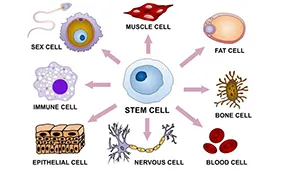
Stem cells maintain the fundamental status within the human body because they create each distinct specialized cellular form. Stem cells provide an endless dividing ability that leads to the creation of numerous specialized cells the body requires for physical operations. The human body contains multiple stem cell types among which:
- Human Pluripotent Stem Cells (hPSCs) – The Human Pluripotent Stem Cells (hPSCs) display the capacity to generate cell types present throughout the entire human body.
- Multipotent Mesenchymal Stem Cells (MSCs) – The tissue that contains multipotent mesenchymal stem cells (MSCs) includes bone marrow as well as adipose tissue and umbilical cord since these cells possess the ability to develop into bone, cartilage, muscle and fat cells.
Researcher investigations of stem cell application in disease treatment guide pharmaceutical development towards effective stem cell therapy implementation by 2025.
How Does Stem Cell Therapy Work?
Stem cell therapy requires either transplanting or stimulating stem cells to regenerate cells which have suffered damage in the body.
The therapy works through three main processes:
- Cell Differentiation: Stem cells become specific cellular types which restore damaged cells after entering the treated area.
- Paracrine Signaling: Stem cells function through paracrine signaling where they release healing-promoting bioactive molecules together with anti-inflammatory agents.
- Immunomodulation: Stem Cell-Based Immunotherapy uses adult stem cells to manage immune system activities addressing dangerous responses against normal cells particularly within autoimmune environments.
Stem Cell Therapy for Autoimmune Diseases
The immune system develops autoimmune diseases by performing incorrect attacks on cells found within the body. The medical community recognizes stem cell therapy for autoimmune disease as an emerging solution to reshape the patient's immune system response.
FDA-Approved Stem Cell Therapies for Autoimmune Diseases
Manufacturers received FDA approval to offer stem cell-based treatments for lupus and multiple sclerosis along with Crohn’s disease. These therapies focus on:
- Suppressing immune system overactivity
- Restoring damaged tissues
- Reducing inflammation
Stem Cell Therapy for Multiple Sclerosis Success Rates
Multiple sclerosis patients undergoing stem cell therapy show encouraging outcomes because clinical research indicates improved neurological functioning together with reduced deterioration of their condition.
Stem Cell Therapy for Diabetes
Many people worldwide suffer from diabetes, including Type 1 and Type 2 diabetes, while current medical approaches primarily manage insulin levels but cannot eliminate the disease. The therapeutic goal of stem cell therapy for diabetes types 1 and 2 involves cell regeneration of insulin-producing beta cells inside the pancreas.
Availability in Pharmaceutical Centers
Pharmaceutical companies are exploring stem cell therapy for diabetes through the development of different approaches to use hPSCs and MSCs for generating functional pancreatic cells.
Stem Cell Therapy for Cardiovascular Diseases
Heart disease accounts for being among the main global causes leading to death. Scientific researchers work toward developing stem cell therapies to restore heart tissue that has been damaged. The numbers of pharmaceutical centers that provide stem cell therapy for heart diseases are increasing as they offer patients suffering from heart conditions both heart attack and failure treatment opportunities.
Stem Cell Therapy for Liver and Kidney Diseases
Research strides are developing stem cells into novel treatments to offer alternatives instead of transplantation interventions in cases of liver and kidney disorders.
- Stem cell therapy for liver diseases within pharmaceutical industry development concentrates on creating new hepatocytes that restore the organ's functioning abilities.
- The pharmaceutical sector strives to create stem cell-based treatment solutions for kidney conditions as it aims to repair kidney harm and boost renal function.
Stem Cell Therapy for Orthopedic Conditions
The pharmaceutical sector has progressed stem cell therapy for orthopedic conditions, thus producing new treatments against musculoskeletal disorders such as osteoarthritis and fractures. Medical practitioners use MSCs as a therapeutic tool to create new tissue structures that help patients deal with long-lasting pain alongside restricted movement in their daily lives.
Stem Cell-Based Skin Regeneration
The field of stem cell-based skin regeneration shows rapid growth because it helps treat burn survivors as well as patients dealing with skin aging effects. Existent pharmaceutical approaches based on stem cells for skin disorders work towards cell renewal while addressing scars and fighting senior skin effects.
Stem Cell Therapy for Respiratory Diseases
Medical specialists have few options to treat pulmonary fibrosis and chronic obstructive pulmonary disease (COPD) so far. Scientists use stem cell therapies to treat respiratory diseases in pharmaceutical research by developing better methods for fixing damaged lung tissue structures alongside improved breathing function.
Stem Cell Banks Expansion and Pharmaceutical Regulations
The growing need for stem cell therapies has made stem cell bank expansion an essential matter. The banking facilities maintain stem cells obtained from umbilical cord blood and bone marrow tissue together with adipose tissue for future medical applications.
Medical authorities are changing pharmaceutical stem cell regulations to establish requirements for product safety along with effectiveness and ethics in distributing stem cell medical treatments.
Pharmaceutical Research on Stem Cell Treatments for Neurodegenerative Diseases
Researchers intensively study the neurodegenerative disorders, which comprise Alzheimer's disease as well as Parkinson's and ALS. Medical scientists who study stem cells in pharmaceutical research seek development of treatments that can replace missing brain cells and optimize brain activity along with muscle movement ability.
Conclusion: The Future of Stem Cell Therapy
The pharmacy sector has advanced stem cell therapy to a 2025 capability, which positions regenerative medical solutions as future focus areas. There are numerous wide-ranging potential uses of stem cell-based skin regeneration, which includes stem cell therapy for diabetes.
The continued progress in this field provides hope to numerous people throughout the world, even though pharmaceutical regulations affect stem cell treatment developments.
Stem cell treatments for skin disorders, autoimmune diseases, and cardiovascular conditions continue to develop in pharmaceutical applications, which implies that mainstream stem cell therapy is approaching rapidly. Stem cell therapy will certainly transform the way healthcare functions in the future, even though the research process continues.
People want to understand recent developments surrounding stem cell treatments for autoimmune diseases within pharmaceutical applications. Obtain information on how regenerative medicine transforms life durations through its recent developments.

Kate, Editorial Team at Pharma Focus America, leverages her extensive background in pharmaceutical communication to craft insightful and accessible content. With a passion for translating complex pharmaceutical concepts, Kate contributes to the team's mission of delivering up-to-date and impactful information to the global Pharmaceutical community.