Stem Cell Technology: The Future of Drug Discovery and Regenerative Medicine
Kate Williamson, Editorial Team, Pharma Focus America
Drug discovery together with regenerative medicine undergoes revolutionary changes because stem cell technology allows appropriate drug testing and tissue reconstruction and customized therapeutic approaches. The development of iPSCs alongside MSCs as well as organoids facilitates better disease simulation during treatment creation. The advances of biotechnology depend on ethical factors together with funding support and partnerships to develop stem cell-based innovations for pharmaceuticals and healthcare applications.
Introduction:
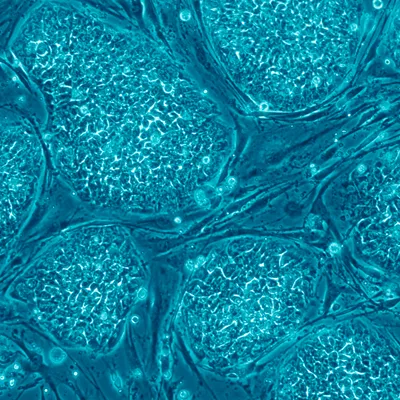
Stem cell technology embraces healthcare innovation through its development of stem cell-based drug discovery and stem cell applications which guide medicine advances. Developing modern therapies and personalized medicine and quickening vaccine production is possible through the pharmaceutical and scientific use of Mesenchymal Stem Cells (MSCs) Induced Pluripotent Stem Cells (iPSCs) and Neural Stem Cells in CNS Disorders. The true game-changing factor of stem cells stands as what? The path to developing stem cell treatments for chronic diseases relies on their utilization. Let’s explore.
The Role of Stem Cells in Drug Discovery and Regenerative Medicine
The capacity of stem cells to transform into specified cell varieties makes them essential for pharmaceutical evaluation along with tissue reconstruction and medical restorative applications. The rising demand for precise medicine has pushed stem cell-based drug screening to become a vital procedure for pharmaceutical compound testing in controlled conditions.
1. Stem Cells in Drug Discovery
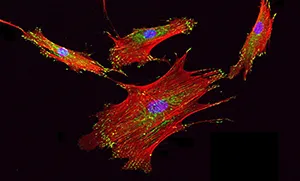
The current drug development systems depend heavily on animal experimentations but such methods demonstrate poor capabilities to foresee human-level physiological responses. The innovative Organoids in Drug Discovery method allows scientists to develop miniature organ-like structures by using iPSCs. Miniature structures called organoids duplicate human tissues for testing drug effectiveness in an improved manner.
| Drug Discovery Method | Limitations | Advancements with Stem Cells |
| Animal Testing | Poor translation to humans | iPSC-derived human models |
| 2D Cell Cultures | Lack of tissue complexity | 3D Bioprinting and Stem Cells |
| Organoids | Better physiological relevance | More accurate drug screening |
2. Stem Cell-Based Therapies for Neurodegenerative Diseases
The combination of Parkinson’s disease alongside Alzheimer’s disease and multiple sclerosis remains challenging to treat because both diseases and their structures are intricate. The field benefits from stem cell therapy as a prospective solution for multiple sclerosis treatment. Neural stem cells in CNS disorders have emerged as a breakthrough therapeutic method that includes both replacement of missing neurons and protection of neurologic tissue.
3. Tissue Engineering and Stem Cell Therapy
The application of stem cell tissue engineering exists in tissue engineering approaches for repairing or replacing injured tissues and organs. The procedure stands vital for handling diseases that affect the heart and liver and bones. Modern researchers employ 3D bioprinting along with stem cells to create replacement donor organ transplants, which will eventually become the future of organ transplants.
4. Stem Cell Banking for Pharmaceutical Applications
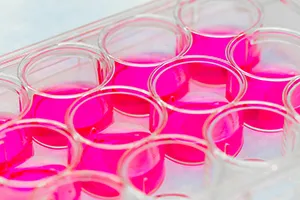
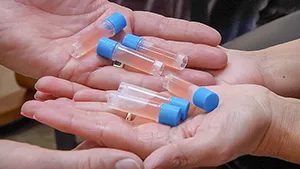
Pharmaceutical operations significantly depend on stem cell banking as an essential method to maintain viable stem cells for future medical applications. Exosome therapy alongside stem cells heavily benefits from extracellular vesicles that stem cells create because these vesicles function as drug carriers in regenerative treatments and immune modulatory systems. The availability of stored stem cells provides immediate access to cells that have excellent research and therapeutic potential.
Regenerative Medicine: The Business Side
Several pharmaceutical companies that focus on regenerative medicine are dedicating large amounts of resources to create treatment solutions using stem cells for managing chronic diseases. The sector demonstrates swift expansion because industries allocate investments into biotechnology products, which boost the performance of cell-based therapies. Regenerative medicine companies in the pharmaceutical sector work together with biotechnology firms to create innovative outcomes through their collaborative efforts.
5. Stem Cell Research Grants for Drug Discovery
The progress of stem cell research grants for drug discovery depends heavily on continuous funding supply. Governments, together with private groups, actively devote funds to projects that investigate stem cell-based treatments for cancer, cardiovascular diseases, and autoimmune disorders. Research funding serves as a necessity to develop stem cell-based treatment options for neurodegenerative conditions while creating improved results for patients.
Ethical and Regulatory Landscape
Even though stem cell research holds interesting potential its ethical implications continue to keep pharmaceutical researchers in disagreement. Today scientists choose iPSCs and MSCs because these stem cells avoid embryo destruction while serving as alternatives to embryonic stem cells. The FDA regulatory standards for stem cell pharmaceutical therapies enhance safety and efficiency yet needs improved inspection framework for pharmaceutical compounds and standardized therapeutic methods.
6. Ethical Considerations in Stem Cell Research
People primarily dispute stem cell research ethics because of how scientists obtain their cells. The FDA together with other regulatory bodies maintains strict ethical requirements which limit the development of stem cell-based treatments for chronic diseases. The practice of stem cell research faces multiple ethical issues involving consent from patients together with complete clinical trial disclosure and therapy marketization.
7. Proteomics Research and Its Role in Stem Cell Technology
Research based on proteomics proves essential for studying how stem cells operate as well as how they differ and demonstrate regenerative properties. The modern proteomic approaches help scientists discover the biological routes that control the actions of stem cells. The identification of essential therapeutic targets and biomarkers becomes possible through stem cell drug discovery because of this discovery.
Future of Stem Cell Technology in Medicine
Stem cell research will advance medical practice through new techniques which involve testing drugs with stem cells and building tissues from stem cells while also using engineered tissues as part of innovative solutions. The production of FDA-approved personalized stem cell pharmaceuticals from individual patients will produce medical treatments that deliver superior results along with reduced adverse reactions.
8. Vaccine Development Process and Stem Cells
Stem cells play a vital role in the development of vaccines through their novel applications during vaccine production. Congenital stem cells serve as fundamental ingredients for producing therapeutic approaches that boost vaccine performance. This method maintains value for medical contexts involving needs for strong immune system activation during viral diseases and autoimmune disorders.
Conclusion
The future developments of stem cell applications in medicine will result from ongoing partnership activities between pharmaceutical sector companies and scientists together with regulatory agencies. The medical field approaches breakthroughs in treating untreatable diseases due to advancing stem cell-based neurodegenerative disease therapies and tissue engineering approaches and stem cell banking techniques.
The prospects for stem cell-based drug screening alongside industrial biotechnology products demonstrate great promise since they may lead to new patient-specific therapeutic advances and bioengineered tissues and unique pharmaceutical compounds. The world will experience advanced stem cell tissue engineering and regenerative medicine through rising stem cell research grants for drug discovery, which will result in better healthcare outcomes for many future generations.

Kate, Editorial Team at Pharma Focus America, leverages her extensive background in pharmaceutical communication to craft insightful and accessible content. With a passion for translating complex pharmaceutical concepts, Kate contributes to the team's mission of delivering up-to-date and impactful information to the global Pharmaceutical community.