

Modern Mental Health Medications: A Guide to Antidepressants, Anxiety Drugs, and New Treatments
Mental health is no longer a hidden issue—it's a vital focus in healthcare worldwide. With millions seeking effective treatment options, the landscape of mental health medications has expanded rapidly. Innovations in modern mental health drugs are improving patient outcomes and offering new hope for those affected by depression, anxiety, and other psychiatric disorders. Whether you are a healthcare provider, pharmaceutical partner, or clinical researcher, understanding these developments is crucial to delivering advanced mental health solutions.
In this comprehensive guide, we will explore the different categories of antidepressants, anxiety medications, and the new mental health treatments that are shaping the future of psychiatric care.
Introduction to Modern Mental Health Medications
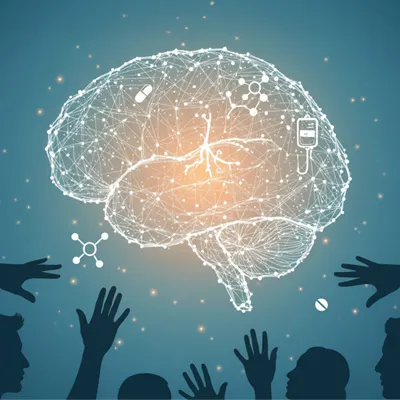
The treatment of mental health disorders has evolved dramatically over the past few decades. Today, mental health medications are more targeted, effective, and better tolerated than ever before. The development of modern mental health drugs reflects an increased understanding of brain chemistry and the mechanisms underlying psychiatric conditions.
Healthcare providers and pharmaceutical companies alike are investing in research to develop drugs that not only alleviate symptoms but also improve quality of life. This article aims to provide a detailed overview of the current and emerging options for treating mental health disorders, focusing on antidepressants, anxiety medications, and innovative therapies.
Understanding Antidepressants: Types, Uses, and Effectiveness

Antidepressants remain the cornerstone of treatment for depression and many mood disorders. They work by altering neurotransmitter levels in the brain to improve mood and reduce symptoms
Types of Antidepressants
There are several types of antidepressants, with unique mechanisms:
- Selective Serotonin Reuptake Inhibitors (SSRIs): These are the most commonly prescribed antidepressants, including drugs like fluoxetine and sertraline. SSRIs increase serotonin levels, which can improve mood and reduce anxiety.
- Serotonin-Norepinephrine Reuptake Inhibitors (SNRIs): Examples consist venlafaxine and duloxetine. SNRIs boost both serotonin and norepinephrine, targeting a broader range of symptoms.
- Monoamine Oxidase Inhibitors (MAOIs): Older drugs that inhibit the enzyme breaking down neurotransmitters. They are effective but less commonly used due to dietary restrictions and side effects.
- Atypical Antidepressants: This diverse group includes bupropion and mirtazapine, which work on different neurotransmitter systems.
Latest Antidepressants for Depression Treatment:
In 2025, research continues to bring forward the latest antidepressants for depression treatment that offer faster relief and fewer side effects. For instance, new drugs targeting glutamate pathways or neuroinflammation are showing promise in clinical trials, potentially helping patients who don’t respond well to traditional treatments.
What Are the Most Effective Antidepressants?
Effectiveness depends on individual patient profiles, but SSRIs and SNRIs are generally first-line due to their safety and efficacy balance. Emerging treatments are providing options for resistant cases, emphasizing the importance of personalized medicine in psychiat
Anxiety Medications: Current Options and How They Work
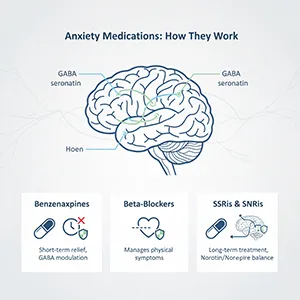
Anxiety disorders are among the most prevalent mental health conditions globally, requiring reliable anxiety drug treatments.
Common Anxiety Medications
- Benzodiazepines: Drugs like diazepam provide rapid relief but are recommended only for short-term use due to dependency risks.
- Beta-blockers: These manage physical symptoms of anxiety such as rapid heartbeat.
- SSRIs and SNRIs: Frequently prescribed for long-term anxiety treatment, these medications help balance neurotransmitters involved in mood regulation.
Best Anxiety Medications in 2025
The best anxiety medications in 2025 are those that not only alleviate symptoms but also minimize side effects and dependence risks. New agents targeting specific neurotransmitter receptors, such as GABA modulators, are in development and may soon transform standard treatment protocols.
How Do Anxiety Medications Work?
Most anxiety medications function by regulating chemicals like serotonin and gamma-aminobutyric acid (GABA), which influence mood and anxiety levels. Understanding their mechanisms helps clinicians tailor treatments to individual needs, improving outcomes.
New Treatments and Emerging Drugs for Mental Health Disorders
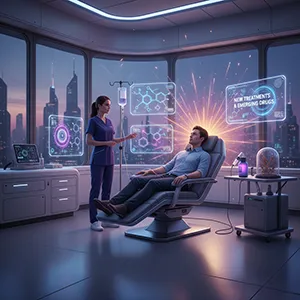
The mental health field is witnessing a surge in new mental health treatments and emerging drugs for mental health disorders that challenge conventional approaches.
Innovative Mental Health Drug Solutions for Healthcare Providers
Pharmaceutical companies are pioneering novel therapies, including rapid-acting antidepressants such as esketamine and psychedelic-assisted treatments. These represent significant advances for patients who have struggled with traditional medications.
Innovative Treatments
Beyond medication, therapies like ketamine infusions and the use of psilocybin in controlled settings are gaining regulatory attention. These treatments focus on rapid symptom relief and are often combined with psychotherapy for long-term benefits.
B2B Opportunities
For healthcare providers and pharmaceutical partners, staying updated on these innovative mental health drug solutions opens new avenues for patient care and business growth. Partnerships can accelerate the adoption of these therapies in clinical practice. For insights into how digital therapeutics are evolving, see the evolution of digital therapeutics in medicine
B2B Focus: Mental Health Medication Providers and Pharmaceutical Partnerships

In the B2B space, choosing the right partners is critical for success.
1. Mental Health Medication Providers for Clinics
Clinics require reliable access to quality antidepressants and anxiety medications to provide consistent care. Partnering with trusted suppliers ensures product availability and compliance.
2. Pharmaceutical Companies Specializing in Psychiatric Drugs
Companies specializing in psychiatric medications drive innovation and supply. Staying connected with these organizations helps healthcare providers access the latest treatments.
3. B2B Suppliers of Antidepressants and Anxiety Medications
Efficient distribution and transparent supply chains are essential. Healthcare providers depend on suppliers who meet regulatory standards and deliver on time.
4. Mental Health Medication Research Updates
Keeping abreast of ongoing research and clinical trials allows B2B clients to anticipate market shifts and incorporate new drugs into their offerings swiftly.
Addressing Common Questions about Mental Health Medications
To clarify common concerns, here are answers to some frequently asked questions:
1. Are Modern Antidepressants Safer Than Older Ones?
Yes, modern antidepressants generally have improved safety profiles compared to older medications like tricyclic antidepressants and MAOIs. They tend to cause fewer side effects and are less toxic in overdose situations.
2. What New Treatments Are Available for Mental Health?
New treatments include rapid-acting antidepressants (esketamine), psychedelic therapies, and drugs targeting novel neural pathways. These options expand possibilities for patients unresponsive to traditional drugs.
3. Which Medications Are Best for Anxiety Disorders?
SSRIs and SNRIs remain first-line treatments. For acute anxiety, benzodiazepines may be used temporarily. New drugs are under development to provide safer long-term options.
Conclusion: The Future of Mental Health Medications in Clinical Practice
The future of modern mental health drugs is promising. Advancements in antidepressants, anxiety medications, and new treatments are transforming psychiatric care. For healthcare providers and pharmaceutical partners, embracing these innovations means improved patient outcomes and stronger business relationships. By partnering strategically and staying informed about emerging therapies, the mental health community can continue to deliver effective, personalized care and meet the growing demand for mental health solutions worldwide.