Revolutionizing Clinical Research: The Role of Energy-Efficient Trial Sites
Harry Callum, Editorial Team, Pharma Focus America
Eco-friendly trial sites are revolutionizing clinical research through their low energy use, low environmental footprint, and increased operating performance. These facilities reduce costs, enhance research productivity thereby offering stable environments, and appeal to environmentally sensitive clients. In this manner they are supporters of environmental care and the further development of health care technologies.
Introduction:
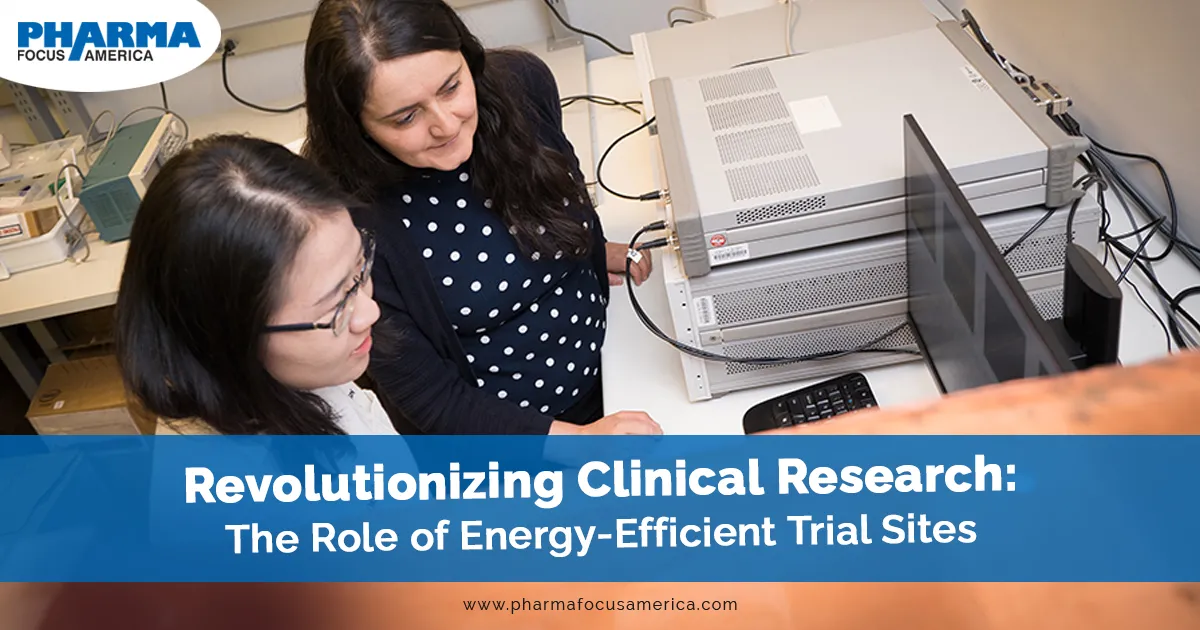
Clinical research serves as an essential foundation within the improvement of healthcare, development of new therapies and establishment of the safety of therapeutic commodities. However, the structural support of clinical trials is highly demand-draining and highly energy dependent in terms of machines, heating, cooling and powering of technologies. In the light of conservation for the future, efficient trial sites in terms of energy prove to be unavoidable.
Besides improving the state of environment, they also contribute to increased efficiency of the research activity.
The Environmental Impact of Clinical Research
Managing a clinical trial site can be quite energy intensive. Heating, ventilation, air conditioning, lighting, water and other utilities used in laboratories, computers, and comfort of the participants and other staff members mean that clinical trial sites use vast amounts of electricity and water. This acts to increase greenhouse gases, increasing operational costs and forming part of the growing environmental impact of the healthcare sector. Such environmental impacts are not favorable at this stage of world development where the emphasis is made on sustainable development, and therefore raises the imperative to address such burden ever more important.
What Are Energy-Efficient Trial Sites?
Energy efficient trial sites are pilot buildings are research buildings that could have been designed from scratch or adapted to be as energy efficient as is possible. This can be done in a number of ways including use of energy from natural sources (solar or wind power), efficient control of heating and cooling systems, efficient laboratory equipment and resource mismanagement as a way of cutting down on wastage. Through the implementation of the above changes, the trial site shall be in a position to reduce their carbon footprint, at the same time benefit from reduced operational expenses since more funding shall be expended on incentives for a more sustainable model research centers.
The Benefits of Energy-Efficient Trial Sites
- Cost Savings: With over 100 Plus trial sites that require immense amounts of energy, the first advantage that can be acceded from the cross-sectional data is the possibility of achieving colossal cost savings. The energy expenses are kept low with the use of LED fittings, energy efficient HVAC equipment and smart temperature controlling systems. This means that more money can be saved in research hence more funds to go to the sponsors and same time more money can go to the participants.
- Enhanced Performance and Reliability: Energy efficient technologies work better and are rated to have lower possible breakdowns rates that must also be serviced. For example, smart ACs, apart from efficiency comes with effectiveness of controlling and preserving temperature of sensitive products such as drugs and biological data to prevent degradation.
- Attracting Environmentally Conscious Stakeholders: As sustainability is viewed as a global trend, both trial sponsors and participants, opting for a cooperation with environmentally-friendly institutions. Clinicians have to employ energy conservation measures to attract the attention of partners who are interested in conserving energy hence enhancing the image of the clinical trial site.
- Regulatory Compliance: A large number of governments and regulatory authorities all over the world are beginning to demand energy efficiency standards. Energy efficient technologies should be adopted at trial sites from the early stage to ensure the site follows the regulations without having to be penalized in future.
How Energy-Efficient Trial Sites Improve Research Quality
In addition to environmental advantages, low energy trial sites can likewise benefit the research process. Some improvement in energy producing systems has brought about changes that make the environment more controlled which is paramount for credibility of clinical data. For example, variable electrical power supplies ensure that there is little or no fluctuation in the climate that can have an impact on trial results.
Further, these sites use smart solutions that allow some processes to be controlled, for example, lighting and temperature. This helps to minimize disturbances of technological proactivity, helping research personnel direct their time towards research and not have to worry about handling the site as much.
Examples of Energy-Efficient Innovations in Clinical Trial Sites
- Green Building Design: In the current world most clinical trial sites are either designed or adapted to suit the green clinical trial site such as LEED (Leadership in Energy and Environmental Design). Such structures are designed with energy considerations; to include the use of low heat absorptive building materials, correct insulation, and natural light to minimize the use of electricity.
- Renewable Energy Integration: Some trial sites are using solar photovoltaic system, the installation of solar power panels or wind generators for electrical power. One advantage of battery storage is that it helps to decrease the dependence on the grid that in turn helps the site to promote sustainable goals.
- Waste Reduction Programs: Apart from energy efficacies most of the trial sites are employing waste management and recycling and eradicating the use of plastics in their promotion campaign. This also acts as a plus for the environment apart from serving the general public health fundamental duty of eradicating pollution.
Overcoming Challenges in Implementing Energy-Efficient Trial Sites
But here also is the potential problems that trials in efficient energy facilities are necessarily associated with. The-learning curve is steep; the capital outlay to put in efficient equipment may be relatively high and the modification of old buildings may be challenging. Nevertheless, such investments are usually recovered within the legal frame period through such savings and therefore is worthy investment.
Thirdly, there is some opposition to change, especially in such sectors that previously paid more attention to the results of research than the effectiveness of work. People will be in a position to develop opposition once they have not been offered enough information about the economic and environmental benefits of adopting energy efficient practices.
Conclusion
The contribution of efficient trial sites toward changing the counts of clinical research cannot be overemphasized. Quite simply, these facilities allow for less harm to the environment, lower costs, and enhanced dependability of research environments making them the future of sustainable healthcare. This is because, in the modern developing world that seeks to embrace sustainability in the availability and use of energy, efficient trial site will not only assist in fighting climate change but also assist in bringing better efficiency and quality to the clinical research so as to have an overall positive impact on patient care in the health systems around the world.

Harry Callum, Editorial Team at Pharma Focus America, leverages her extensive background in pharmaceutical communication to craft insightful and accessible content. With a passion for translating complex pharmaceutical concepts, Harry contributes to the team's mission of delivering up-to-date and impactful information to the global Pharmaceutical community.