

The practice of Pharmacovigilance, which ensures drug safety passed through a substantial transformation during this period. Drugs were traditionally tracked through post-market surveillance systems that searched for adverse drug reactions after consumers obtained new pharmaceuticals through the market. The pharmaceutical industry now adopts a proactive approach because big data, along with artificial intelligence (AI) and real-world evidence emerged as industry standards. The pharmaceutical industry enhances drug development safety through the use of predictive analytics combined with continuous signal detection systems powered by artificial intelligence insights during development.
The proactive approach enhances both patient security and receives enhanced regulatory compliance along with better medical choices. Because regulatory bodies such as the FDA and EMA place great weight on proactive risk management, we are witnessing a transformation of pharmacovigilance through their support of advanced technology integration into a more data-driven and strategic discipline. Drug safety assessment through pharmacovigilance has arrived to offer medical professionals a more efficient patient-focused safety examination.

The Shift from Reactive to Proactive Pharmacovigilance:
Pharmacovigilance maintained a traditional reactive framework because it gathered and examined adverse drug reaction (ADR) reports only after the market received new products. The drug development industry now transitions toward proactive strategies because patient safety expectations along with evolving regulatory requirements and the new drug development landscape meet. The development of data science and real-world evidence (RWE) and artificial intelligence (AI) technologies brings improved capabilities for early safety signal detection and enhanced risk management strategies.
The proactive approach to pharmacovigilance allows drug safety monitoring from start to finish of the developmental cycle. The drug monitoring process applies predictive risk models in trial stages and continuously detects signals through active EHR surveillance with AI program analysis. Companies implementing big data analytics with machine learning algorithms identify upcoming adverse events to protect patient health along with regulatory standards.
Through proactive methods healthcare institutions secure both security for patients alongside increased public confidence in medical products. The system promotes both rapid response measures and enhanced medical support tools for improving clinical decisions by healthcare providers. Healthcare professionals and drug makers need a proactive system because the advancement of biologic products and gene-based medicine requires early detection of uncommon or sustained safety alerts.
Pharmacovigilance has transitioned from purely reactive to fully proactive operation which establishes a complete system overhaul. The transformation of safety monitoring shifts from being passive compliance work towards becoming strategic patient-focused practice. Drug safety protection in the growing healthcare environment requires the adoption of proactive pharmacovigilance methods because of advancing technological developments.
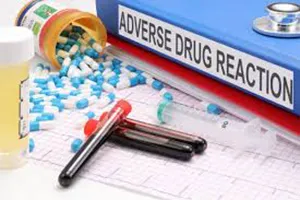
Big Data provides a vital tool for safety signal detection at early stages:
Big data processing in modern healthcare transforms pharmacovigilance operations by creating opportunities for safety signal detection at an early stage. Current adverse event reporting systems face two major limitations which include underreporting together with delays. The security surveillance for product safety benefits from big data sources which include electronic health records, real world evidence, social media, and wearable device data outputs. The use of machine learning with advanced analytics allows researchers to show potential safety issues while they emerge in real time which enables faster regulatory actions and containment plans.
Medical organizations together with regulatory institutions are spending money on AI-based data mining systems to look for abnormal incident patterns and detect adverse drug reactions (ADRs). By integrating different data sources the signal sensitivity increases and the number of false positive results decreases. Predictive modeling tools enable healthcare professionals to recognize potential patient groups vulnerable to new pharmaceuticals thus improving both clinical trial procedures and post-market surveillance operations.
Advancements in personalized medicine have become possible because big data enables safety signal correlations with genetic information, along with demographic values leading to targeted interventions. Some barriers prevent the complete resolution of data privacy and interoperability issues along with standardization problems. The unrestricted power of big data for pharmacovigilance needs solutions to these problems so scientists can reach their maximum potential. The industry now performs drug safety assurance through big data processing techniques, which have revolutionized the process with superior efficiency at unmatched levels of speed and intelligence.
How AI Helps Spot Risks Early:
Artificial Intelligence (AI) uses modern methods to discover risks inside healthcare and pharmaceutical operations which serve drug safety analysis as well as patient treatment. Present-day methods that track adverse events tend to be delayed and triggered in reaction to events. AI systems evaluate extensive amounts of structured alongside unstructured data such as electronic health records and social media platforms and patient forums in real-time.
Machine learning systems possess the capability to detect concealed data patterns which signal possible safety hazards before they expand across a broad area. Artificial Intelligence discovers untypical patterns in adverse drug effect reports and patient results which triggers prompt investigation to prevent issues from spreading. The strategic implementation of this method results in better patient protection and allows companies to meet regulatory directives with better efficiency.
The optimization of clinical trial designs occurs through AI prediction of risk elements by using historical patient information and population demographics. The system provides ongoing support for post-market surveillance by tracking real-world evidence for fresh signals continuously. AI technology demonstrates enhanced forecasting ability because recent advancements enable manufacturers to recognize targeted health risks which match exact population segments or single people.
AI makes significant contributions to risk monitoring by identifying problems ahead of time which helps healthcare providers perform swiftly and intelligently in their field and industry.

Challenges in Data Quality, Privacy, and Interpretation:
The combination of big data analysis with AI for early risk identification creates various drawbacks that specifically relate to data quality and privacy and interpretation difficulties. The use of poor quality data materialized through incomplete records or data inconsistencies along with inaccuracies results in both false outcomes and lost safety detection opportunities. Data harmonization plus standardization become more difficult due to inconsistent data entry methods used in combined electronic health records and wearable devices systems.
Privacy is another major concern. Medical organizations must follow HIPAA and GDPR regulations to properly manage sensitive health information of patients. The critical point when analyzing diverse large datasets involves striking equilibrium between data accessibility needs and protection of confidentiality. Data breaches alongside ethical violations become more probable when organizations lack sufficient data anonymization systems and security protocols.
AI-driven insights create obstacles when it comes to their interpretation and comprehension by humans. The ability of algorithms to recognize patterns does not always produce specific parental connections between variables. Lack of domain expertise along with human oversight produces assessment problems leading to both mistreated risks and incorrect positive outcomes. Training data biases produce skewed analysis outputs that specifically harm certain population groups.
The complete utilization of AI and big data potential in healthcare requires proper resolution of such existing obstacles. Healthcare professionals can achieve better insights with safer interventions but also maintain reliable results by implementing data systems with high quality and security together with interpretation capabilities.
Understanding Traditional vs. Modern Pharmacovigilance:
The scientific discipline of pharmacovigilance experienced major changes in its development throughout recent times. Pharmacovigilance's evolution from manual methods to data-driven AI systems now achieves both patient security and regulatory regulations with higher efficiency.
• Traditional Pharmacovigilance
Pharmacovigilance practice during the past exclusively performed post-market tracking through spontaneous adverse drug reaction (ADR) reporting systems. The reporting procedure primarily depended on data from healthcare professionals as well as patients and pharmaceutical businesses. The safety monitoring approach proved necessary to find safety related problems yet its slow pace and extensive work requirements and delayed or insufficient information made it difficult to manage. Pharmacovigilance operated through conventional methods of accepting information through paper forms as well as phone conversations and in-person meetings.
Underreporting proved to be an enormous challenge because pharmacovigilance captured a small portion of adverse events during analysis which mainly focused on post-issue responses.

• Modern Pharmacovigilance
Terminology evolution has brought pharmacovigilance into the digital era to conduct advanced real-time monitoring that leverages big data together with AI technologies. The integration of machine learning and natural language processing techniques with predictive analytics now allows systems to examine enormous electronic health records alongside clinical trials data together with social media content and wearable device outputs. Using this approach safety signals become detectable at earlier stages before reaching broad scale occurrences.
Modern artificial intelligence systems can evaluate large data sets to find information patterns which escape human surveillance. The proactive methodology speeds up adverse events discovery while boosting safety evaluations while enabling rapid regulatory action.

The Future of Pharmacovigilance:
Big data and AI harnessing will lead to advanced and accurate pharmacovigilance operations. The industry stands ready to protect public health while raising global drug safety through advanced technology implementation with human expertise support. A transformative period begins now that emphasizes safety prevention alongside advanced patient security as the leading frontier of modern innovation.
Conclusion:
Pharmacovigilance operations controlled by proactive methods signal a complete transformation in pharmaceutical drug safety assurance practices. Modern techniques of using real-time surveillance together with big data analysis through AI allow detection of potential safety issues with unprecedented speed and accuracy. The regulatory system can now respond swiftly combined with better patient results at the same time increased public trust is achieved. The pharmaceutical industry can identify upcoming threats and enhance its drug safety surveillance processes through implementing high-tech technical components into pharmacovigilance systems. The pharmaceutical evolution requires proactive pharmacovigilance because this approach enables an enhanced protection of public health alongside innovation and long-term medication safety.