Advances and Innovations in Cell and Gene Therapy
Kate Williamson, Editorial Team, Pharma Focus America
Modern cell and gene therapy continues to evolve because of three key developments including CRISPR gene editing and mRNA technology within gene therapy as well as CAR-T cell therapy used for autoimmune diseases. AI facilitates gene therapy research advancement by developing secure and efficient treatments that establish a new healthcare direction for precise medicine.
Introduction:
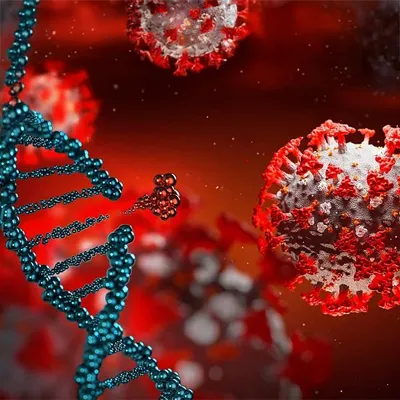
An extraordinary medical revolution takes place within the field of cell and gene therapy because researchers discover innovative technologies that allegedly cure diseases physicians believe cannot be treated. Modern medicine is rapidly transitioning to personalized, late-effecting, precise treatments because scientists have accelerated progress in CAR-T cell therapy for autoimmune diseases as well as CRISPR and mRNA technology applications for gene therapy. These therapies present an evolving field in patient care and demonstrate future directions that healthcare professionals need to consider.
Latest Innovations in Cell and Gene Therapy
The development of gene therapy innovations allows scientists to reintroduce new treatment methods that address genetic disorders and cancer as well as autoimmune conditions. The healthcare field underwent a revolution in cancer treatment when CAR-T cell therapy became available because it allows scientists to reprogram the immune system to improve cancer battle effectiveness. Are there no possibilities to utilize this treatment approach for diseases outside of cancer? Researchers have started exploring CAR-T cell treatment options for autoimmune diseases because they provide potential care possibilities for lupus and multiple sclerosis patients.
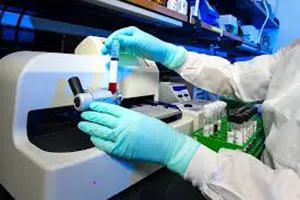
Research has created opportunities to use mRNA technology in genetic treatments. The breakthrough global achievement tied to mRNA vaccines during COVID-19 corresponds to vast possibilities in gene therapy applications. The benefits of mRNA-based gene therapies originate from their capability to generate beneficial proteins inside the body while avoiding genomic integration, which reduces DNA modification risks. The recent CRISPR gene therapy victories create possibilities to handle genetic illnesses through targeted molecular changes.
Emerging Technologies in Cell and Gene Therapy
Various emerging cell therapy technologies are defining the path of upcoming cell and gene therapy practices through their goal to enhance treatment effectiveness together with their safety levels and accessibility measures. Scientists currently pursue genome editing technologies because these methods help them fix damaged genes with great precision. What approaches exist to guarantee these therapeutic approaches deliver treatment to intended target cells? Viral together with non-viral vectors form essential components of gene delivery systems, which enable innovations in gene therapy to become suitable for clinical use.
Gene therapy advances have become most intriguing due to research in synthetic biology. The specific behavior control of cells through synthetic biology makes precision medicine in gene therapy treatments possible because these therapies become patient-specific.
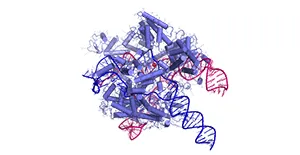
Scientists operate on emerging cancer gene therapy technologies to establish more specific treatments that generate fewer harmful side effects. The development of viral vector delivery systems remains active to optimize their operational performance along with reducing immune system reactions, yet non-viral gene delivery systems present new approaches to eliminate safety concerns related to viral vectors.
Gene therapy research depends heavily on how well scientists utilize AI for its advancement. Researchers now use artificial intelligence to process genetic data as well as create therapeutic designs and forecast therapeutic responses in their work. Scientific organizations make use of AI models, which help them select optimal CRISPR gene editing targets as well as enhance therapeutic delivery methods and boost the productivity of new treatments. Artificial intelligence (AI) stands as a possible solution for expanding cell and gene therapy availability to major populations of people.
| Read More: Challenges and Opportunities in Cell and Gene Therapy Manufacturing |
Genome-Editing Technologies for Gene and Cell Therapy
The breakthroughs in gene therapy emerge because of the exceptional capabilities found in genome editing technologies. CRISPR gene editing stands as the most prominent genome editing method, which provides scientists with precise DNA modification abilities. The CRISPR-Cas9 technology continues to shape cell therapy through various inherited genetic disorder solutions and cancer and regenerative medicine applications.
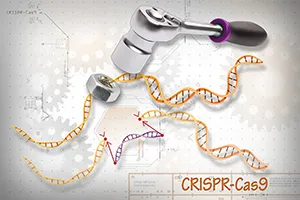
Gene editing shows great promise for addressing the inherited genetic diseases currently in existence. Scientists use source-based correction of mutations to rid the human body of sickle cell anemia, cystic fibrosis, and muscular dystrophy diseases. The recent scientific advancements hold strong value, but additional obstacles persist. Additional barriers to broad genome editing implementation stem from regulatory issues as well as ethical matters and unforeseen side effects that appear in treatment. Genome editing in medicine will lead to which directions, and what steps will we take to properly utilize this powerful technology?
The Future of Cell and Gene Therapy
Medical science approaches a groundbreaking new medical period where cell and gene therapies have both stimulating and complex potentials.
The reality of treating diseases now resolves into curing untreatable illnesses as scientists keep advancing gene therapy research and gene editing tools, and artificial intelligence enables new medical discoveries. Gene therapy and CAR-T cell manufacturing improvements with precision medicine will establish a future that provides safer treatments that deliver higher effectiveness because they become more accessible.
An exciting breakthrough opportunity exists when stem cell advancement technology meets the developments of gene therapy methodology. The application of stem cell-based gene treatments may create regenerative approaches for treating neurodegenerative diseases as well as conditions affecting the heart and spinal cord injuries. The medical community believes cellular reprogramming offers tremendous potential to repair diseased tissues because it brings fresh opportunities to millions of patients across the globe.
This emerging field of cell and gene therapy exists beyond evolution patterns because it continues to transform medical practice at its core. The regular advancements in scientific discovery bring humanity nearer to treating genetic conditions as temporary instead of permanent, while cancer treatment switches towards immune system therapy while CRISPR gene editing modifies medical diagnoses for better health outcomes. The future of advanced medical care using these advances seems likely to integrate soon into clinical practices. The future direction of cell and gene therapy shows extraordinary promise because we still need to observe the passage of time.

Kate, Editorial Team at Pharma Focus America, leverages her extensive background in pharmaceutical communication to craft insightful and accessible content. With a passion for translating complex pharmaceutical concepts, Kate contributes to the team's mission of delivering up-to-date and impactful information to the global Pharmaceutical community.