


Innovative Therapies: How Cell and Gene Technologies are Changing Lives
Kate Williamson, Editorial Team, Pharma Focus America
Medical science stands transformed through pioneering advancements in cell and gene therapy which treat chronic diseases and genetic conditions at their foundations. Through genome-editing technologies combined with cellular modifications these therapies create potential cures to treat diseases including cancer alongside sickle cell anemia and inherited blindness. Modern medicine faces a future transformation through continuous progress in cell and gene technology.
Introduction to Cell and Gene Therapy:
What is Cell and Gene Therapy?
The scientific field of cell and gene therapy modifies DNA sequences inside human DNA to prevent future diseases or treat currently active health conditions. These related therapeutic approaches apply different principles toward their medical objectives.
The therapeutic process of gene therapy permits scientists to modify genetic material that exists inside patients' cells. Clinicians redirect treatments using three different strategies: replacing faulty genes with normal ones or performing gene reconstruction, or introducing therapeutic genes for disease management. Medical practitioners aim to treat diseases at their genetic source instead of working to only reduce symptoms.
Through cell therapy, doctors conduct human cell transplants and cell modifications that help repair damaged body parts and organs. Cell therapy enables physicians to address damage and disease in body cells for treating disorders including Parkinson's disease and organ failure.
The convergence of cell and gene therapies establishes a modern medicine front. These medical approaches present scientists with new potential healing methods for genetic disease treatment while enabling advanced treatments for cancer and providing therapies to repair or substitute damaged tissues, resulting in transformative prospects for better health results.
Gene therapy: Comprehensive overview and therapeutic applications
Medical researchers have developed gene therapy during multiple decades, while recent technological advances have steadily improved its potential as an official treatment. Therapeutic applications of gene therapy span numerous diseases that recognize genetic disorders as their prime target.
Nearly all gene therapy research efforts during the past decades concentrated on treating uncommon illnesses triggered by one faulty gene.
The disease targets cystic fibrosis, muscular dystrophy, and hemophilia present since the start of gene therapy research, which now proves through groundbreaking trials the effectiveness of these treatments. Medical researchers have successfully deployed gene therapy as a treatment solution for inherited retinal disorders so people with blindness from genetic mutations can finally have hope for recovery.
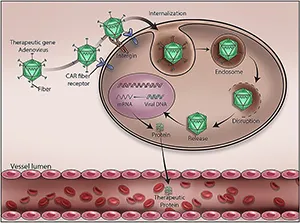
Gene therapy has shifted its focus from treating genetic diseases to addressing cancer disease management during recent years. Through their work with immune cells researchers have developed treatments that enhance the immune system's capability to recognize cancer cells and destroy them. The therapeutic method called CAR-T cell therapy shows beneficial outcomes when treating the blood cancer diseases leukemia and lymphoma.
Personalized medical solutions represent one of the most appealing parts of current gene therapy developments. Correlating treatment approaches to individual genetic makeup makes therapy performance stronger while minimizing unwanted outcomes. The evolution of cell and gene technologies enables researchers to explore new applications, which include CRISPR techniques and advanced methods of delivering viruses towards enhanced therapeutic precision.
Innovative Therapies: The Future of Medicine
New developments in cell and gene therapeutic technologies have transformed contemporary healthcare procedures. Significant progress occurs as modern healthcare advances beyond the standard practice of treating symptoms to find dedicated solutions for disease source factors through new treatment methods. Genetic disease treatment experiences an essential transition because treatments based on cells along with genetic approaches can now eliminate genetic errors while providing complete cure options.
Through gene therapy, doctors treat genetic disorders, specifically sickle cell anemia, by replacing defective blood cells with healthy ones, thereby minimizing disease symptoms and complications.
Medical treatments using gene therapy show potential in treating blindness from genetic causes and specific inherited cancers by enabling patients to use their customized cells for visual recovery or anticancer defense.
Medical treatments using gene therapy show potential in treating blindness from genetic causes and specific inherited cancers by enabling patients to use their customized cells for visual recovery or anticancer defense.
The breakthroughs seen in cell and gene technologies promise new solutions for tissue repair. Through cell differentiation properties, stem cells function as therapeutic agents that generate new tissue for damaged areas and help restore heart tissue following heart attacks, as well as reinstating brain functions in stroke and neurodegenerative conditions. These innovative therapies move beyond future possibilities because scientists already conduct clinical trials and perform implementations in hospitals as part of modern medicine's evolution.
By utilizing immune system responses through cell and gene therapies, researchers can now develop innovative treatments for persistent health conditions. Immunotherapy development aims to strengthen natural disease defenses, thus creating transformational medical approaches to battling HIV, cancer, and autoimmune diseases.
Increased investment in cell and gene technologies emerged following innovative therapy achievements because pharmaceutical firms, together with research facilities and state institutions view these technologies as transformative medicine capabilities. Advancements in these technologies lead to better performance combined with increased accessibility and broader scalability.
The Potential for Cures and the Future of Treatment
The distinctive character of cell and gene technologies lies in providing cures rather than merely managing symptoms, which traditional treatments do. Modern conventional treatments primarily manage medical symptoms or delay disease advancement, but direct cell and gene therapy approaches hold the promise to cure diseases definitively through their fundamental disease-targeted interventions.
An important gene therapy achievement exists in the treatment of sickle cell anemia. A single gene-editing treatment unlocks such promising prospects that patients may eliminate sickle cell anemia from their lives permanently.
Other inherited medical conditions receive development through cell and gene therapeutic approaches, which provide promising solutions to patients who were previously without options.
Cell and gene technologies are successfully treating both complex diseases, including cancer, as well as autoimmune disorders alongside neurodegenerative conditions. Through the application of CRISPR and other gene-editing methods, scientists now have direct access to modify living cellular genes, making both procedures and treatments more efficient. Multiple disease conditions that scientists previously thought impossible to tame will progressively become treatable using next-level therapeutic innovations.
Conclusion
The medical discipline of cell and gene therapy directs contemporary approaches toward treating genetic disorders and persistent diseases. The genetic material editing abilities and cellular damage repair features make these therapies prime candidates for transformative treatment solutions, including disease cures, which may extend indefinitely. The progression of cell and gene technologies introduces a coming age, which may result in the total destruction of diseases thought beyond cure.
Drastic medical shifts underway through innovative therapies provide worldwide hope to millions of patients. Through enhanced research and clinical trials as well as ongoing development, the advanced therapeutic capabilities of cell and gene therapies will rise to enable fresh opportunities that support better patient outcomes and future health benefits.

Kate, Editorial Team at Pharma Focus America, leverages her extensive background in pharmaceutical communication to craft insightful and accessible content. With a passion for translating complex pharmaceutical concepts, Kate contributes to the team's mission of delivering up-to-date and impactful information to the global Pharmaceutical community.