


Challenges and Opportunities in Cell and Gene Therapy Manufacturing
Kate Williamson, Editorial Team, Pharma Focus America
The widespread use of cell and gene therapy manufacturing gets restricted by three main factors which include high production costs and regulatory complexities along with limited scalability. Modern automations systems as well as AI and bioprocessing technology enhance capability and reduce expense. The successful resolution of these difficulties will open life-saving medications to wider accessibility while changing modern healthcare systems.

Introduction:
Major technological innovations within biotechnology drive continual evolution of cell and gene therapy manufacturing. The pharmaceutical sector undergoes exponential advancement because developers have brought forward two game-changing treatment methods known as CAR-T cell therapy and the CRISPR-Cas9 genome-editing instrument. Manufacturers and researchers alongside patients require understanding of the developing trends within the field. What measures do we need to deploy for successfully merging the substantial medical benefits of these therapies into high-volume manufacturing systems?
The medical sector acknowledges the powerful potential of cell and gene therapies (CGTs). The new treatment approaches create possibilities for patients suffering from fatal conditions to benefit from CAR-T cell therapies and gene treatments which target neurodegenerative disorders. The rapid growth in research and development in convenes various barriers which prevent broad accessibility of these therapies at appropriate costs and at production scales needed to meet patient demand.
Manufacturing Bottlenecks in Cell and Gene Therapies
The production scale of cell and gene therapy faces one of its main obstacles. The manufacturing technique for CGTs stands opposite traditional pharmaceutical methods because it needs customized production systems. The conversion between laboratory manufacturing for clinical use to commercial-scale manufacturing proves extremely difficult to achieve. A key challenge for large-scale cell therapy production exists because complex therapeutic procedures generate costly development schedules.
Important for developing CGT production methods are viral vector approaches which use adeno-associated virus (AAV) as the primary vector. AAV serves as a leading genetic material delivery vehicle in the market yet its large-scale manufacturing faces multiple manufacturing obstacles which include production yield restrictions as well as product purity and regulatory compliance requirements. Companies in the bioprocessing sector need to optimize essential aspects of gene therapy production because this will improve both operational efficiency and reduced costs.
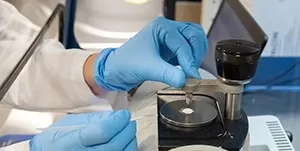
Cell and gene therapy manufacturing experiences increased complexity due to disruptions in their supply systems. CAR-T cell therapy along with other patient-derived therapies require cell supply challenges which make it impossible to create standardized manufacturing frameworks. Multiple biotech firms study new delivery platforms combined with enhanced bioprocess optimization systems in order to extend the global distribution of gene therapies that have received regulatory approvals.
Addressing Cost and Accessibility Issues
Currently-available authorized gene therapies remain financially out of reach for numerous patients because of their expensive costs. Industrial actors need to find solutions for the high prices of cell and gene therapies if they want wider market access. A targeted use of funds toward technology development and regulatory cooperation along with process optimization will create the necessary availability of these treatments. The possibility exists that automation together with artificial intelligence provides solutions.
A single dose of CAR-T cell therapy requires an expenditure that exceeds hundreds of thousands of dollars to produce at present. The total production costs remain substantial because of staff-dependent approaches and strict regulatory demands and patient-specific protocols for therapy delivery. The solution for these barriers in manufacturing has led manufacturers to adopt advanced therapy solutions which integrate bioprocessing innovation with automation alongside AI-driven analytics to reach cost efficiency.
The Role of Automation and AI in CGT Manufacturing
The implementation of automation technology in cell therapy manufacturing production enables systematic improvement by reducing operator mistakes and boosting operational output while minimizing expenses. The manufacturing process of cell therapy requires several improvements through automation implementation. Manufacturers achieve better reproducibility and quality through automated cell culture systems which also reduce manual work in processes.
The implementation of AI for CGT manufacturing optimization allows companies to arrange CGT manufacturing procedures better as well as anticipate supply chain bottlenecks and workflow constraints. Because of AI predictive analytics technology decision-makers achieve better choices which leads to quick and efficient resource use for therapeutic medicine delivery to patients. The union between artificial intelligence and automation systems represents a fundamental change toward future prospects for cell and gene therapy production.
Online data monitoring systems controlled by AI identify quality deviations during real time thus preventing dangerous batch failures and their high cost. The system provides both enhanced operational efficiency and delivers high-quality cell and gene therapies to patients efficiently.
Quality Control and Regulatory Challenges
The highest priority focuses on protecting both safety and effectiveness standards of cell and gene therapies. Cell and gene therapy manufacturing faces special quality control issues because both biological materials exhibit diverse characteristics and the manufacturing operations contain intricate steps. The need for strict regulation requires comprehensive testing together with validation processes and compliance protocols which delays market entry of these therapies because they increase development expenses.
The quality control efforts become more challenging because patient-specific therapies such as CAR-T cell therapy need to be manufactured for each individual patient. Manufacturers need to use analytics together with automation systems to implement digital tracking methods that fulfill quality standards as well as regulatory requirements.

Regulatory agencies throughout different international jurisdictions actively collaborate with cell therapy developers to develop universal safety guidelines which achieve proper balance between innovation and protection. Few obstacles remain due to developing compliance standards and time-consuming approval procedures. The cell and gene therapy market demands focused resolution of present regulatory challenges to achieve broader accessibility of this treatment approach.
Emerging Technologies Shaping the Future
New frontiers in CGT manufacturing emerge through the implementation of emerging biotechnological systems in gene therapy production processes. The fast development of next-generation therapies depends on three emerging technologies consisting of synthetic biology, 3D bioprinting as well as CRISPR-based gene editing. Do these new technologies create conditions for better production models which merge efficiency with cost reduction while providing scalability?
Single-use bioreactors as well as closed-system manufacturing approaches have started to replace traditional production methods because they boost efficiency and minimize contamination risks. The recent technological progress presents effective remedies which address crucial industrial challenges.
Scientists use CRISPR-Cas9 tools for gene editing to build stockpile cell treatments that eliminate customized cellular alterations. Universal adoption of this technology will establish cheaper production methods which enhances accessibility for clients seeking CAR-T cell therapies used to treat cancer and neurodegenerative disorders.
The Global Demand and Future Outlook
The worldwide demand for cell and gene therapies expands rapidly because genetic disorders and cancers along with rare diseases continue to increase in frequency. The increasing market demand requires manufacturers to both boost their manufacturing capacity and sustain product quality and reasonable pricing.
The cell and gene therapy market shows strong predictions of exponential expansion because pharmaceutical companies along with biotech firms and governments plan to keep investing. Research indicates cell and gene therapy will evolve into personalized medical practices because new effective targeted treatment options will enter the market. The rising demand puts demanding requirements on the industry to keep up.
The world's nations are expanding their resources toward establishing advanced therapy production facilities with the purpose of enhancing efficiency and reducing manufacturing expenses. Standardized manufacturing protocols together with AI optimization and automated production equipment will enable manufacturers to produce sufficient products for rising patient numbers.
Conclusion: Overcoming Challenges for a Promising Future
Cell and gene therapy manufacturing faces various substantial obstacles on its path to success although it holds enormous opportunities for advancement. The life-changing effects of CAR-T cell cancer treatments and CRISPR-Cas9 and adeno-associated virus (AAV) and other innovative approaches are now proven. Widespread acceptance requires resolution of problems linked to scalability and price and strict management of quality.
Future developments in automation technology as well as AI systems alongside bioprocessing systems will create what changes. Manufacturers need to discover methods to merge product development improvements with cost-effective manufacturing. Successful progression of cell and gene therapies depends on solving these current hurdles to reach their complete medical value for worldwide patient populations. Further research together with technological developments and healthcare system cooperation will answer the questions which face the industry.
We can be certain that cell and gene therapy manufacturing techniques will drive modern medical advancements to benefit millions of people as biotechnology enters a new technological period.

Kate, Editorial Team at Pharma Focus America, leverages her extensive background in pharmaceutical communication to craft insightful and accessible content. With a passion for translating complex pharmaceutical concepts, Kate contributes to the team's mission of delivering up-to-date and impactful information to the global Pharmaceutical community.